With more than 10‑year industry experience, Shandong Headpowder delivers full‑service pneumatic‑conveying systems and blowers, undertaking nationwide turn‑key powder‑handling projects.
Understanding the pneumatic conveying of hygroscopic sodium nitrate is crucial for industries dealing with this specific chemical compound. This process involves the transport of dry or slightly moist sodium nitrate particles through a pipeline using pressurized air or gas. The term "hygroscopic" refers to the material's ability to absorb moisture from the air, which can affect its handling characteristics and the overall efficiency of the conveying system. In this article, we will explore the fundamental principles behind powder handling systems that utilize pneumatic conveying for sodium nitrate, shedding light on how these systems operate and the key components involved.
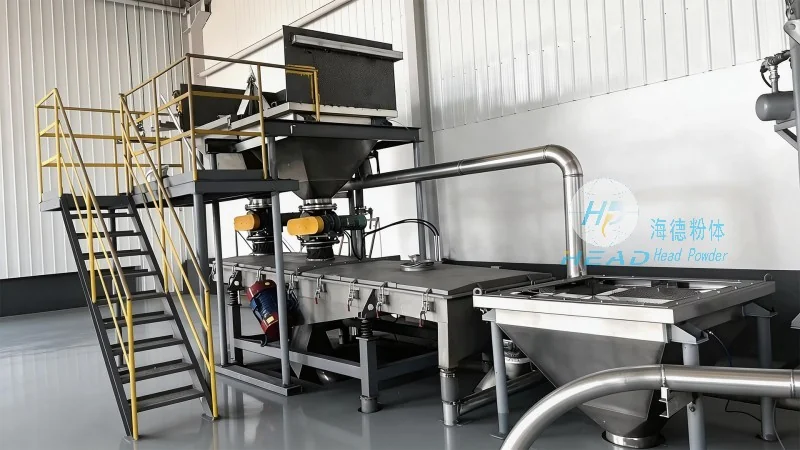
At the core of any pneumatic conveying system is the ability to move particulate materials like sodium nitrate from one location to another without the need for mechanical components such as conveyor belts or screw conveyors. The system typically consists of a source of air or gas, a hopper or feeder to introduce the material, a pipeline for transport, and a receiver or discharge point. The process begins when the sodium nitrate is fed into the system, often via a rotary valve or screw feeder, which controls the flow rate and prevents material buildup. The material then enters the pipeline, where it is carried by the moving air stream. The air velocity must be sufficient to overcome the gravitational force acting on the particles and maintain them in suspension, ensuring smooth transport.
There are two primary types of pneumatic conveying systems: dilute phase and dense phase. Dilute phase systems operate at higher air velocities, typically ranging from 20 to 40 meters per second, and are suitable for transporting materials over short to medium distances. In this mode, the particles are dispersed in the air stream and travel as a cloud, with minimal interaction between individual particles. Dense phase systems, on the other hand, use lower air velocities (around 5 to 15 meters per second) and higher material concentrations, resulting in a more compact flow. This method is often preferred for handling hygroscopic materials like sodium nitrate because it reduces the risk of material degradation and ensures a more stable transport process. The choice between these systems depends on factors such as the distance to be covered, the required flow rate, and the physical properties of the material.
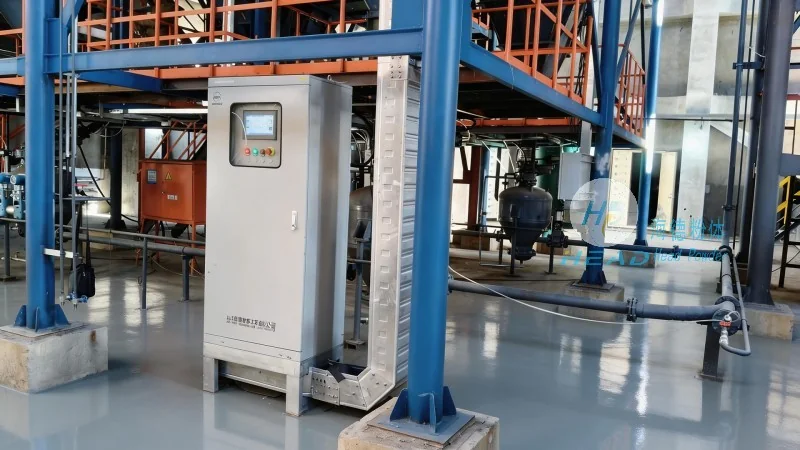
For hygroscopic sodium nitrate, the design of the conveying system must account for its moisture absorption characteristics. The system components, including the hopper and pipeline, are often made of materials that are resistant to corrosion and can withstand the chemical properties of the material. Additionally, the air used in the system may need to be filtered and possibly dehumidified to prevent the material from absorbing excess moisture during transport, which could lead to clumping or caking. Proper sealing of the system is also critical to maintain the air pressure and prevent leaks that could compromise the conveying efficiency.
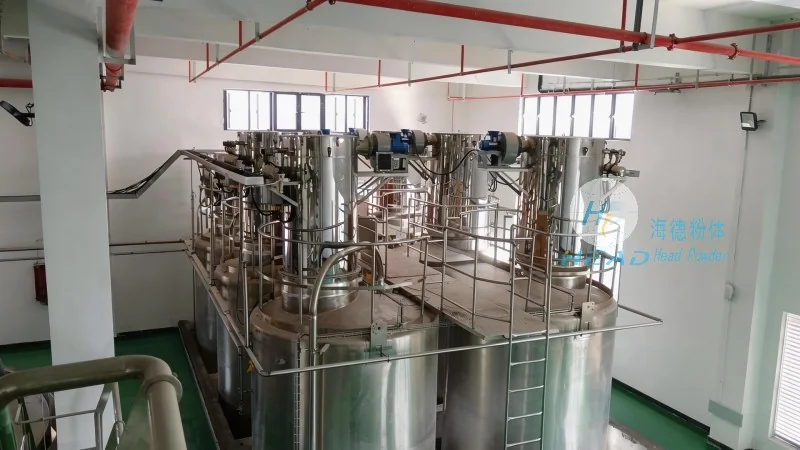
HeadPowder, a leading provider of powder handling solutions, specializes in the design and manufacturing of pneumatic conveying systems tailored to the needs of industries dealing with hygroscopic chemicals. With a strong presence in Shandong, China, HeadPowder leverages its expertise to develop customized solutions that ensure efficient, safe, and reliable transport of sodium nitrate and other similar materials. The company's team of engineers and technicians work closely with clients to understand their specific requirements, from material characteristics to operational constraints, and design systems that meet or exceed industry standards. By focusing on quality and innovation, HeadPowder has established itself as a trusted partner in the powder handling sector, helping businesses optimize their material transport processes and improve overall productivity.
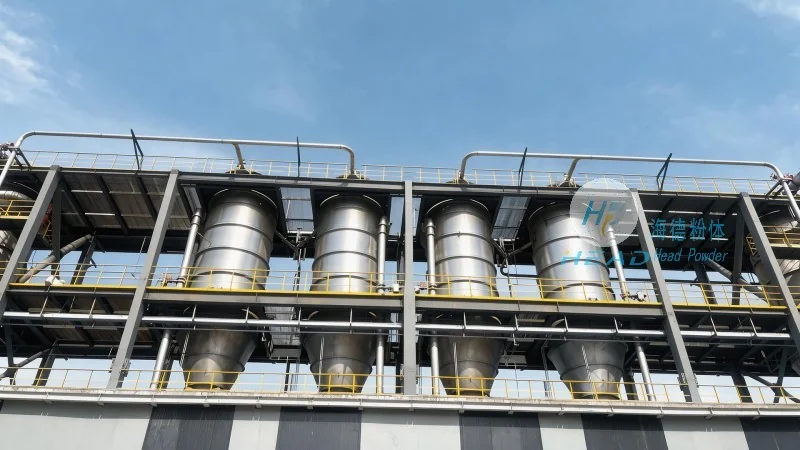
The working principles of a typical pneumatic conveying system for hygroscopic sodium nitrate involve several key steps. First, the material is stored in a hopper, which is equipped with a feeder that regulates the flow into the system. The feeder may be a rotary valve or a screw conveyor, depending on the system design. Next, the material is introduced into the pipeline, where it is mixed with the pressurized air or gas. The air velocity is carefully controlled to ensure that the particles remain in suspension and are transported to the discharge point. The pipeline is usually made of materials such as stainless steel or polyethylene, which are resistant to corrosion and can handle the chemical properties of sodium nitrate. At the receiving end, the material is collected in a receiver, which may be a hopper or a storage tank. The system may also include a filter to remove any particles that have not been fully conveyed, preventing them from being released into the environment. Overall, the efficiency of the system depends on the proper selection of components, the maintenance of air pressure, and the control of material flow rates.
In conclusion, the pneumatic conveying of hygroscopic sodium nitrate is a sophisticated process that relies on the principles of fluid dynamics and material handling. By understanding the working principles of powder handling systems, industries can select the most appropriate conveying method for their specific needs, ensuring efficient and safe transport of sodium nitrate. Companies like HeadPowder play a vital role in providing customized solutions that address the unique challenges associated with handling hygroscopic materials, helping businesses achieve their operational goals while maintaining high standards of safety and reliability.

 Shandong Headpowder Engineering Co., Ltd.
 156-6277-7102(Manager Zhang)
  0531-83386006
  Zhangqiu District, Jinan City, Shandong Province, China
telephone
WeChatconsult
top