With more than 10‑year industry experience, Shandong Headpowder delivers full‑service pneumatic‑conveying systems and blowers, undertaking nationwide turn‑key powder‑handling projects.
Monosodium glutamate (MSG), commonly known as a flavor enhancer in the food industry, often requires efficient and reliable transportation methods, especially when dealing with bulk quantities. Pneumatic conveying systems have emerged as a preferred solution for handling MSG and other fine powders, offering advantages such as dust-free operation, minimal product contamination, and the ability to transport materials over long distances. This article delves into the concept of monosodium glutamate pneumatic conveying, exploring the fundamental principles and components of powder handling systems designed for this specific application.
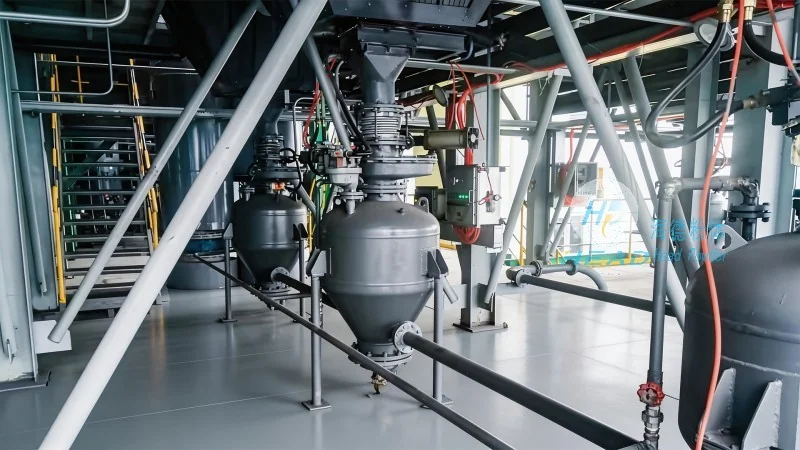
Pneumatic conveying, also referred to as powder handling systems, utilizes air or gas to transport dry bulk materials like monosodium glutamate through a pipeline network. The core mechanism involves creating a pressure differential or using vacuum to move the material from the source to the destination. There are two primary types of pneumatic conveying systems: pressure and vacuum. Pressure systems operate by forcing air or gas into the pipeline, pushing the material forward, while vacuum systems create a negative pressure to draw the material into the line.
For monosodium glutamate, the pneumatic conveying process typically involves several key steps. First, the MSG powder is fed into a hopper or feeder, which regulates the flow rate to ensure consistent material supply. The feeder then transfers the powder into the conveying line, where it is mixed with air or gas. The air-powder mixture travels through the pipeline, with the velocity of the air being critical to prevent material settling or blockages. At the receiving end, the mixture is separated, either by a cyclone separator or a filter, to extract the MSG powder from the air stream. The separated powder is then collected in a storage bin or container, while the air is either filtered and recirculated or vented to the atmosphere.
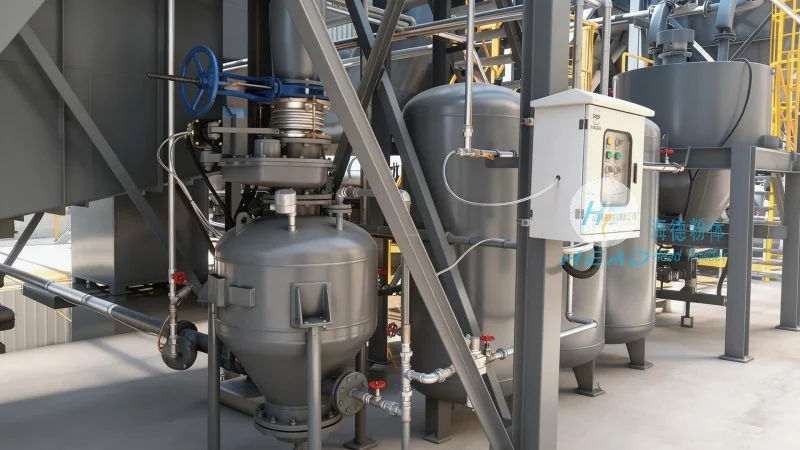
Several essential components work together to ensure the efficient operation of a monosodium glutamate pneumatic conveying system. These include: Feeder, which controls the flow of MSG powder from the storage silo to the conveying line; Conveying Line, the pipeline where the air-powder mixture travels; Separator, such as a cyclone or bag filter, that separates the powder from the air; Receiver, where the processed MSG is collected; and Compressor or Vacuum Pump, which provides the necessary air or gas pressure or vacuum to drive the conveying process. Each component must be carefully selected and maintained to ensure optimal performance and prevent issues like clogging or material degradation.
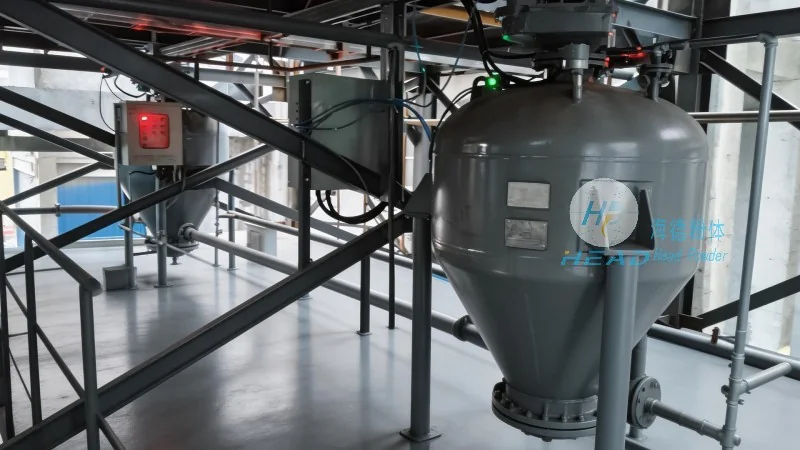
Implementing pneumatic conveying systems for monosodium glutamate offers numerous benefits. Firstly, it provides a dust-free environment, which is crucial for maintaining product quality and safety, especially in food processing applications. Unlike mechanical conveying methods, which can generate significant dust and cause contamination, pneumatic systems keep the material enclosed, reducing the risk of cross-contamination. Secondly, the process is hygienic and easy to clean, with components designed to be easily disassembled and sanitized, meeting stringent food industry standards. Thirdly, pneumatic conveying allows for flexible and scalable solutions, enabling the system to be adjusted for varying production volumes or to accommodate changes in facility layout. Additionally, it offers energy efficiency compared to other bulk material handling methods, as the system can be optimized to use minimal air pressure while maintaining effective material transport.
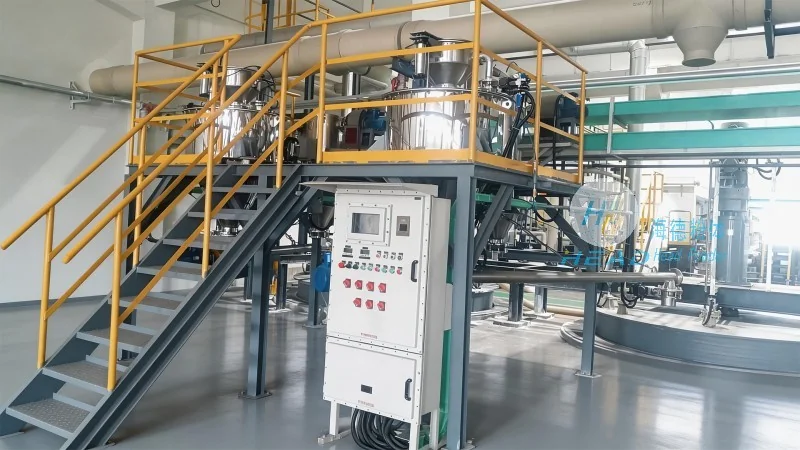
The versatility of pneumatic conveying systems makes them suitable for various applications in the food industry, particularly for monosodium glutamate. These systems are commonly used in food processing plants to transport MSG from storage silos to production lines, mixing equipment, or packaging areas. They are also employed in chemical and pharmaceutical industries where MSG may be used as an ingredient, requiring precise and controlled material handling. The ability to handle fine powders without degradation or loss makes pneumatic conveying ideal for applications where product integrity is paramount.
HeadPowder, a leading provider of powder handling solutions, specializes in designing and manufacturing pneumatic conveying systems tailored to the needs of industries dealing with fine powders like monosodium glutamate. With a focus on innovation and quality, HeadPowder offers customized solutions that enhance operational efficiency and product safety. The company is headquartered in Shandong, China, and serves clients globally, providing comprehensive support from system design and installation to maintenance and troubleshooting. HeadPowder's expertise in powder technology ensures that their systems are reliable, durable, and compliant with industry standards, making them a trusted partner for businesses seeking efficient bulk material handling solutions.

 Shandong Headpowder Engineering Co., Ltd.
 156-6277-7102(Manager Zhang)
  0531-83386006
  Zhangqiu District, Jinan City, Shandong Province, China
telephone
WeChatconsult
top