With more than 10‑year industry experience, Shandong Headpowder delivers full‑service pneumatic‑conveying systems and blowers, undertaking nationwide turn‑key powder‑handling projects.
Understanding the fundamentals of rare earth pneumatic conveying is crucial for industries dealing with these specialized materials. This article provides a detailed overview of the working principles behind powder handling systems, specifically focusing on the application of pneumatic conveying technology for rare earth powders. HeadPowder, a leading provider of specialized powder handling solutions, offers advanced systems tailored to meet the unique demands of rare earth material transport.
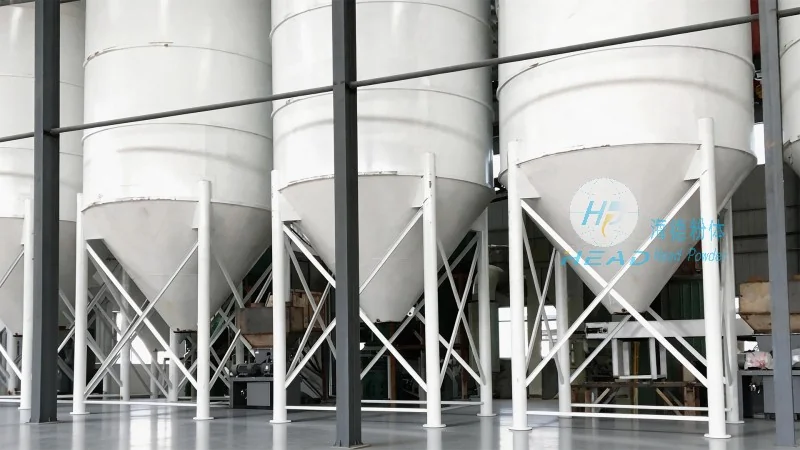
Pneumatic conveying, or powder handling systems, is a method of transporting bulk materials, such as powders and granules, using air or other gases. It is widely used in various industries, including chemical, pharmaceutical, and mining, due to its efficiency and adaptability. The core of this technology lies in the ability to move materials through a pipeline without the need for mechanical components like belts or buckets, which can be prone to wear and maintenance issues. This approach ensures a clean and controlled environment, critical for maintaining the purity of rare earth materials.
At the heart of any pneumatic conveying system are several key components that work in tandem to ensure effective material transport. These components include a material feeder, a conveying line (typically made of stainless steel or other corrosion-resistant materials), a gas source (usually a blower or compressor), and a separation unit. The material feeder is responsible for introducing the powder into the system, while the gas source provides the necessary pressure or vacuum to move the material through the pipeline. The separation unit, often a cyclone or filter, separates the material from the air stream, allowing the powder to be collected and the air to be discharged or recycled. For rare earth applications, the materials used in these components are carefully selected to prevent corrosion or contamination, ensuring the integrity of the final product.
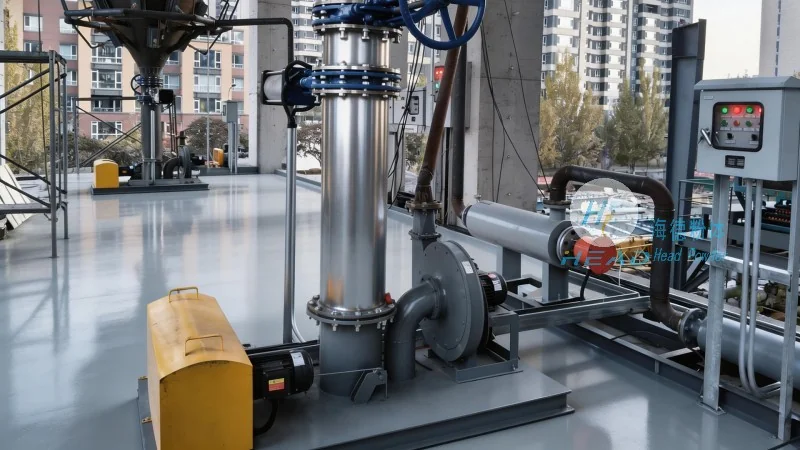
When applied to rare earth powders, the principles of pneumatic conveying remain consistent, but specific considerations are taken into account due to the unique properties of these materials. Rare earth elements, such as neodymium, praseodymium, and cerium, are often used in high-tech applications and require precise handling to maintain their quality and prevent contamination. The system must be designed to handle the specific flow characteristics, particle size distribution, and potential reactivity of rare earth powders. The two main types of pneumatic conveying systems used for rare earth materials are the suction (or negative pressure) and pressure (or positive pressure) systems. In suction systems, a vacuum is created at the material inlet, drawing the powder into the pipeline. This method is ideal for applications where the material is to be transported from a central source to multiple destinations. Pressure systems, on the other hand, use compressed air to push the material through the pipeline, making them suitable for long-distance or high-capacity transport. Both systems can be customized to meet the specific requirements of rare earth powder handling, including the use of special materials for the conveying line to prevent corrosion or contamination.
Implementing a pneumatic conveying system for rare earth powders offers several advantages over traditional mechanical conveying methods. One of the primary benefits is the ability to maintain a clean and controlled environment, which is essential for high-purity materials. The system can be enclosed, reducing dust emissions and preventing contamination from external sources. Additionally, pneumatic conveying systems are highly efficient, capable of transporting materials over long distances with minimal energy consumption compared to other methods. They also offer flexibility in terms of layout, as the pipeline can be routed around obstacles or integrated into existing production lines. These advantages make pneumatic conveying an ideal choice for industries dealing with rare earth materials, where precision and quality are paramount.
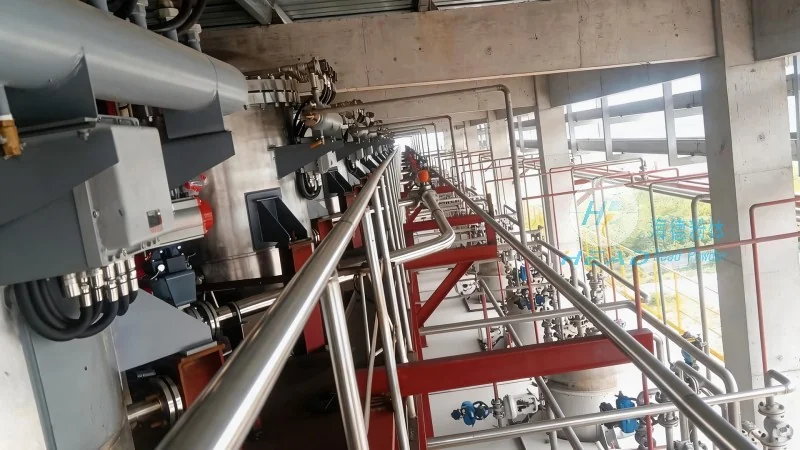
Rare earth pneumatic conveying systems are widely used in various stages of the rare earth processing and manufacturing chain. From the initial handling of raw ore to the final packaging of finished products, these systems play a critical role in ensuring smooth and efficient material flow. For example, in the extraction and purification processes, the system can be used to transport rare earth slurry or powder between different processing stages. In the manufacturing of magnets and other high-tech components, the system ensures that the rare earth powders are delivered to the production line in a controlled manner, maintaining the required purity and consistency. HeadPowder's expertise in designing and implementing these systems has helped numerous clients optimize their rare earth material handling processes, improving productivity and reducing operational costs.
Pneumatic conveying is a sophisticated and efficient method for handling rare earth powders, offering numerous benefits over traditional mechanical systems. By understanding the working principles and key components of these systems, industries can optimize their material transport processes, improve product quality, and enhance overall operational efficiency. As the demand for rare earth materials continues to grow, the importance of reliable and effective powder handling systems will only increase, making pneumatic conveying an essential technology in the rare earth industry. HeadPowder remains committed to providing cutting-edge solutions that meet the evolving needs of the rare earth sector, ensuring that material transport remains efficient, safe, and high-quality.

 Shandong Headpowder Engineering Co., Ltd.
 156-6277-7102(Manager Zhang)
  0531-83386006
  Zhangqiu District, Jinan City, Shandong Province, China
telephone
WeChatconsult
top