With more than 10‑year industry experience, Shandong Headpowder delivers full‑service pneumatic‑conveying systems and blowers, undertaking nationwide turn‑key powder‑handling projects.
Steel and limestone are essential raw materials in the metallurgical industry, and their efficient handling is crucial for production efficiency and safety. Pneumatic conveying systems have emerged as a reliable method for transporting these materials, offering advantages such as dust-free operation, reduced maintenance, and improved process control. This article explores the types, key features, and typical application ranges of pneumatic conveying systems designed for steel and limestone, providing insights into their practical implementation and benefits. The information presented is based on the expertise of Shandong HeadPowder Engineering Co., Ltd., a leading provider of pneumatic conveying solutions in China.
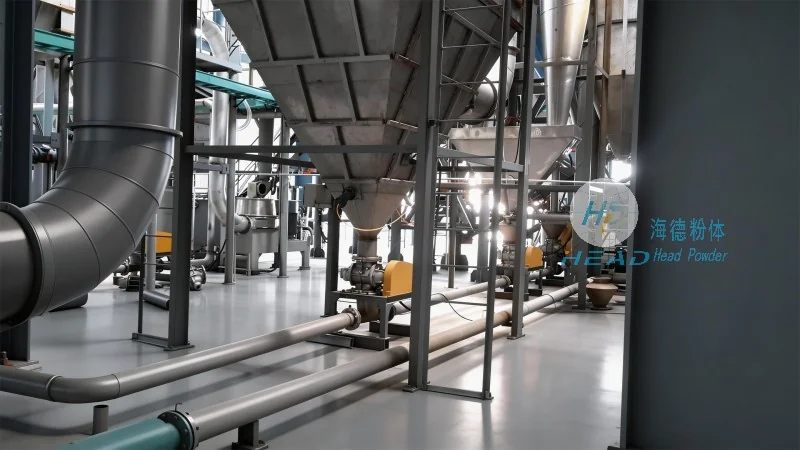
There are primarily two main types of pneumatic conveying systems used for transporting steel and limestone: dilute-phase and dense-phase systems. Dilute-phase systems, also known as pneumatic conveying, use low-pressure air to transport materials in a suspended state. This method is suitable for short to medium distances (typically up to 100 meters) and low to moderate material flow rates (ranging from 0.5 to 5 tons per hour). The air-to-material ratio is high, with the material suspended in the air stream, allowing for efficient transport. Dense-phase systems, on the other hand, operate at higher pressures (typically 5 to 15 bar) and use a lower air-to-material ratio, resulting in a more compact material flow. These systems are ideal for longer distances (up to several hundred meters) and higher material loads (up to 20 tons per hour), as they minimize material degradation and ensure consistent flow. Additionally, there are hybrid systems that combine elements of both dilute-phase and dense-phase operations, offering flexibility for different application requirements.
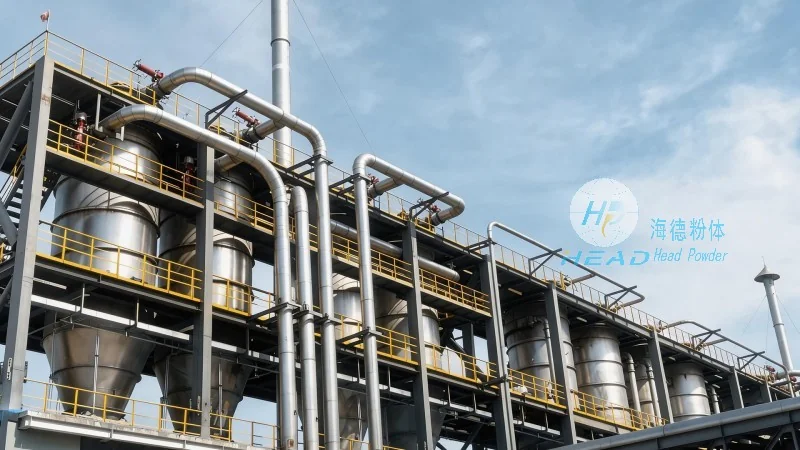
Several key features make pneumatic conveying systems suitable for steel and limestone handling. First, these systems provide a dust-free environment, which is critical for maintaining air quality and worker safety in industrial settings. The closed-loop design of the system prevents dust emissions, reducing the risk of respiratory issues and improving overall workplace conditions. Second, they offer reduced maintenance compared to traditional mechanical conveying systems, as there are fewer moving parts and less wear and tear. The air-driven nature of the system means that components such as pumps and motors are not directly in contact with the material, minimizing the need for frequent repairs. Third, pneumatic conveying systems allow for precise control over material flow rates and pressure, enabling better process integration and optimization. This control is achieved through adjustable air valves, pressure regulators, and flow meters, allowing operators to adjust the system parameters in real-time based on production needs. Fourth, these systems can handle a wide range of material properties, including varying particle sizes (from fine powders to coarse lumps), moisture content, and bulk density. This versatility makes them suitable for different production stages, from raw material input to finished product output.
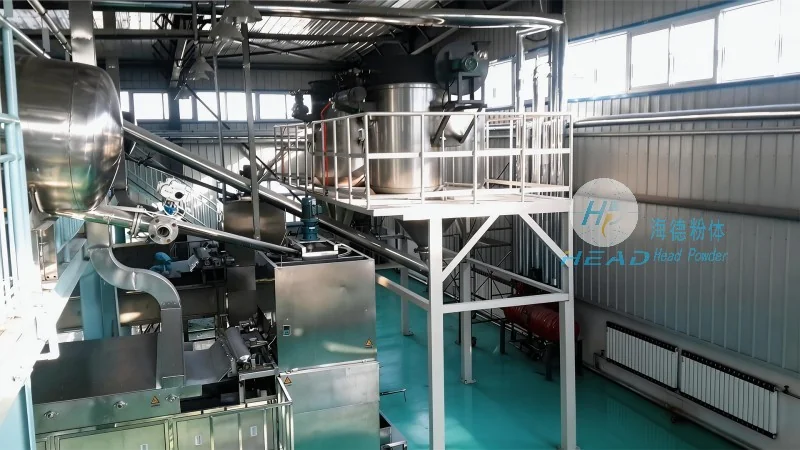
The application ranges of pneumatic conveying systems for steel and limestone are broad and cover various stages of the production process. In the raw material handling stage, these systems are used to transport limestone from storage silos to the steelmaking furnace or limestone processing plants. For example, in a blast furnace operation, limestone is added as a flux to remove impurities from the iron ore. Pneumatic conveying systems can deliver limestone directly to the furnace, ensuring a consistent and controlled addition rate. During the steelmaking process, pneumatic conveying systems can transport steel scrap or additives to the electric arc furnace or basic oxygen furnace. Steel scrap is often sourced from recycling plants or manufacturing facilities, and pneumatic conveying allows for efficient collection and transport of these materials to the steelmaking plant. In the finishing stage, these systems are used to move finished steel products or limestone products to storage or packaging areas. For instance, in a steel rolling mill, finished steel coils are transported from the rolling line to storage silos using pneumatic conveying systems, ensuring a smooth transition between production and storage. Additionally, these systems are suitable for transporting materials in closed loops, such as in recycling plants or continuous production lines, where material flow needs to be controlled and monitored. This closed-loop operation helps maintain material quality and prevents contamination, which is crucial for high-quality steel production.

 Shandong Headpowder Engineering Co., Ltd.
 156-6277-7102(Manager Zhang)
  0531-83386006
  Zhangqiu District, Jinan City, Shandong Province, China
telephone
WeChatconsult
top