With more than 10‑year industry experience, Shandong Headpowder delivers full‑service pneumatic‑conveying systems and blowers, undertaking nationwide turn‑key powder‑handling projects.
Coal ash, a byproduct of coal combustion in thermal power plants, poses significant challenges in handling and transportation due to its fine particle size and variable physical properties. Pneumatic conveying systems have emerged as an efficient and reliable solution for transporting coal ash particles from production sites to disposal or utilization facilities. This article explores the various types of coal ash particle pneumatic conveying systems, their key characteristics, and the diverse application scopes where they are widely employed.
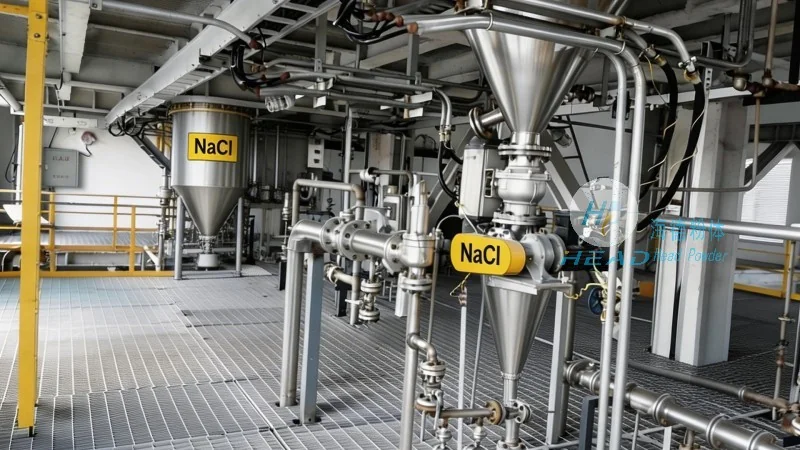
Coal ash, also known as fly ash or bottom ash depending on its origin, consists of fine particles that can range from sub-micron to several millimeters in size. Traditional bulk material handling methods, such as belt conveyors or bucket elevators, often struggle with the cohesive and abrasive nature of coal ash, leading to material buildup, equipment wear, and operational inefficiencies. Pneumatic conveying, which uses air or gas to transport particles through a pipeline system, offers a more flexible and automated solution. The technology has been refined over decades to accommodate the unique demands of coal ash, making it a preferred choice for many industrial applications.
There are primarily two main categories of pneumatic conveying systems used for coal ash: dilute-phase and dense-phase systems. Each type has distinct operational principles and is suited to different material characteristics and application requirements.
Dilute-phase systems operate by suspending coal ash particles in a high-velocity air stream. The particles are carried through the pipeline in a dispersed state, with the air-to-material ratio typically ranging from 5:1 to 20:1. This method is highly effective for transporting fine coal ash particles over moderate distances, typically up to several hundred meters. The system is characterized by low pressure requirements and relatively low material handling capacity compared to dense-phase systems. Dilute-phase conveying is often used in applications where the ash is to be transported to a nearby storage or processing facility.
Dense-phase systems, also known as low-pressure or high-density conveying, operate at lower air velocities and higher material concentrations. The air-to-material ratio is much lower, usually between 1:1 to 3:1, resulting in a dense slurry-like flow within the pipeline. This method is particularly suitable for transporting coarse or abrasive coal ash particles over longer distances, often exceeding 1 kilometer. Dense-phase conveying minimizes material degradation and reduces wear on pipeline components, making it ideal for applications requiring high material throughput and long-distance transport.
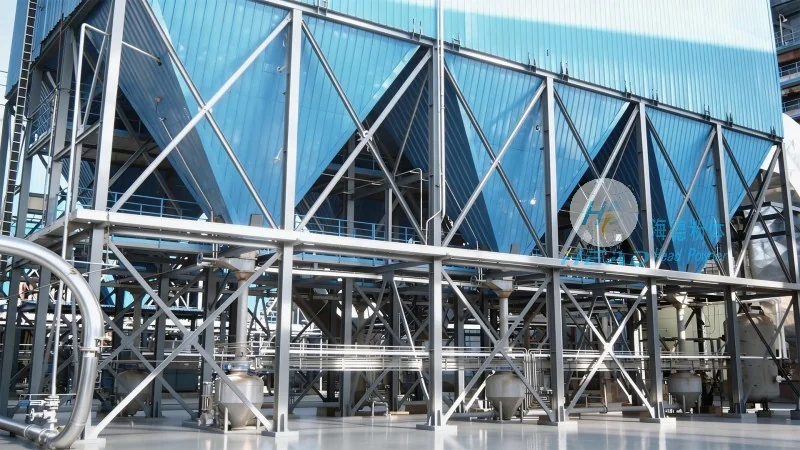
Several critical characteristics define the performance and suitability of coal ash particle pneumatic conveying systems. These include system efficiency, material handling capacity, energy consumption, and operational flexibility.
The efficiency of a pneumatic conveying system is determined by its ability to transport a given volume of coal ash at a consistent rate. Dilute-phase systems are generally more efficient for short-distance, low-volume applications, while dense-phase systems excel in high-volume, long-distance transport. The choice of system type directly impacts the overall throughput capacity, which is a key factor for industrial operations aiming to optimize production and material flow.
Energy consumption is a significant operational cost in pneumatic conveying systems. Dilute-phase systems typically consume more energy due to the higher air velocities required to suspend particles, whereas dense-phase systems are more energy-efficient due to lower air flow rates. However, dense-phase systems may require additional equipment, such as positive displacement blowers or compressors, which can affect the overall cost structure. The balance between energy efficiency and equipment investment is a critical consideration for system selection.
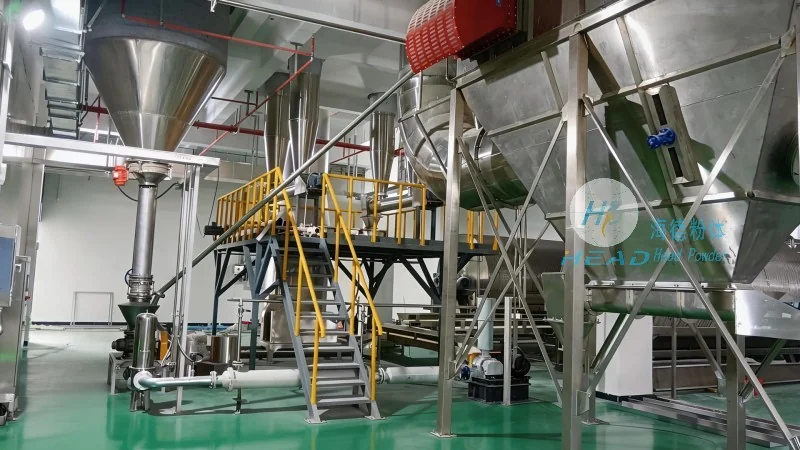
Coal ash particles are often abrasive and can cause significant wear on pipeline components, including elbows, bends, and valves. Pneumatic conveying systems must be designed with wear-resistant materials, such as stainless steel, polyurethane, or specialized coatings, to extend equipment life and reduce maintenance costs. The system's design also influences its ability to handle varying particle sizes and moisture content, which can affect flow characteristics and system performance.
Coal ash particle pneumatic conveying systems find extensive applications across various industries, primarily in the power generation sector and related material processing facilities. The following sections outline the key application areas where these systems are widely employed.
One of the most common applications of coal ash pneumatic conveying is the transport of ash from thermal power plants to off-site storage sites. This process involves collecting ash from the boiler bottom or electrostatic precipitators and conveying it to a dedicated storage facility, such as a landfill or a recycling plant. The system ensures that ash is handled safely and efficiently, minimizing environmental impact and adhering to regulatory requirements. The use of dense-phase systems is particularly advantageous for long-distance transport, as it reduces material degradation and ensures consistent flow rates.
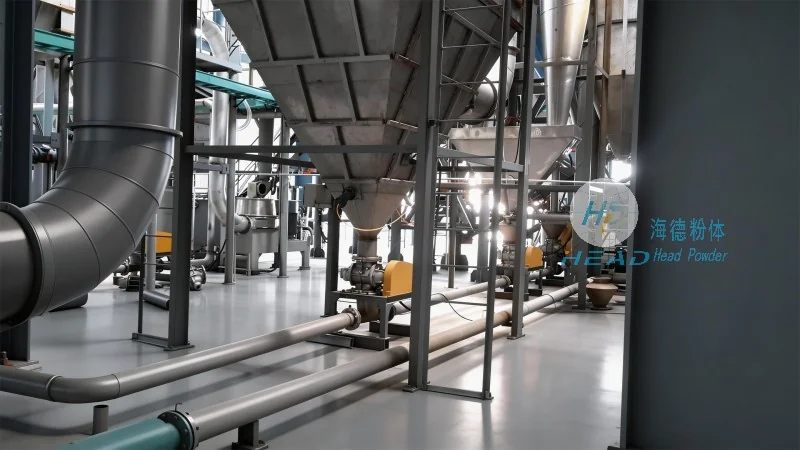
Coal ash is a valuable byproduct that can be utilized in the production of construction materials, such as concrete, brick, and asphalt. Pneumatic conveying systems play a crucial role in transporting ash from storage facilities to processing plants, where it is mixed with other raw materials. The ability to handle fine ash particles and maintain consistent moisture content is essential for producing high-quality construction materials. Dilute-phase systems are often used in this application due to their flexibility in handling varying particle sizes and moisture levels, ensuring that the ash is delivered to the processing plant in optimal condition.
In industrial settings, coal ash may be generated from other processes, such as incineration or chemical manufacturing. Pneumatic conveying systems are used to transport ash from waste processing units to disposal or recycling facilities. The systems help in managing industrial waste efficiently, reducing the environmental footprint of the operations. The choice of system type depends on the specific characteristics of the ash, such as particle size and moisture content, and the distance to the disposal site.
Coal ash particle pneumatic conveying systems are also used in research and development laboratories for testing and evaluating new materials and processing techniques. The systems allow researchers to handle and transport fine ash particles under controlled conditions, enabling the study of material properties and the development of improved conveying technologies. This application is typically limited to small-scale operations but contributes to the advancement of the industry.
Coal ash particle pneumatic conveying systems offer a versatile and efficient solution for handling the unique challenges associated with coal ash transportation. The choice between dilute-phase and dense-phase systems depends on the specific application requirements, including distance, material characteristics, and throughput needs. Key characteristics such as system efficiency, energy consumption, and wear resistance must be carefully considered to ensure optimal performance and cost-effectiveness. As the demand for coal ash utilization and environmental compliance increases, the importance of reliable pneumatic conveying systems will continue to grow. Companies like Shandong HeadPowder Engineering Co., Ltd., based in China, play a vital role in providing advanced pneumatic conveying solutions tailored to the needs of the power generation and construction industries.

 Shandong Headpowder Engineering Co., Ltd.
 156-6277-7102(Manager Zhang)
  0531-83386006
  Zhangqiu District, Jinan City, Shandong Province, China
telephone
WeChatconsult
top