With more than 10‑year industry experience, Shandong Headpowder delivers full‑service pneumatic‑conveying systems and blowers, undertaking nationwide turn‑key powder‑handling projects.
When it comes to transporting zinc oxide powder, selecting the right conveying system is crucial for ensuring efficiency, safety, and cost-effectiveness in industrial operations. Pneumatic conveying systems have emerged as a preferred solution due to their ability to handle fine powders like zinc oxide with precision and reliability. These systems utilize air or other gases to move the material through a pipeline, offering advantages such as minimal product degradation, reduced contamination risks, and the capacity to transport materials over long distances without the need for complex machinery. In this context, understanding the different types of pneumatic conveying systems and their practical applications becomes essential for optimizing material handling processes in the zinc oxide industry.
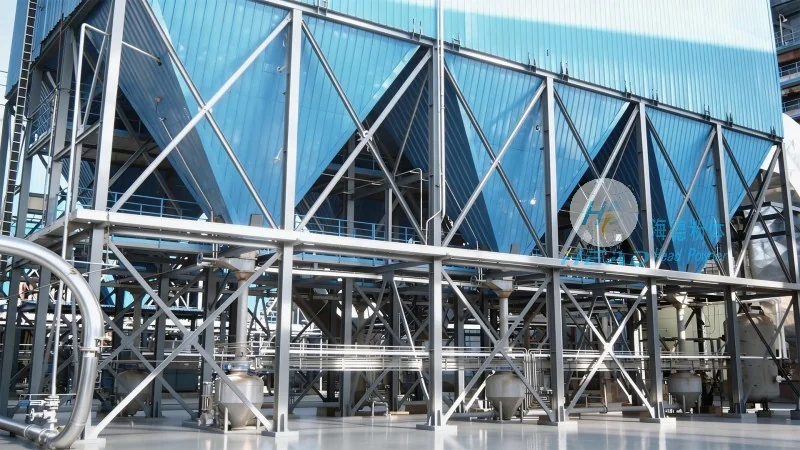
There are several types of pneumatic conveying systems commonly used in the transportation of zinc oxide powder, each with distinct characteristics and applications. The primary categories include pressure conveying, vacuum conveying, and hybrid systems. Pressure conveying systems operate by forcing air or gas under pressure into a pipeline, pushing the powder forward. This method is ideal for short to medium distances and is commonly used in applications where the material needs to be transported from a central storage to processing units. Vacuum conveying systems, on the other hand, use a vacuum to draw the powder into the pipeline, making them suitable for longer distances and for handling materials that are difficult to move under pressure. Hybrid systems combine elements of both pressure and vacuum conveying, offering flexibility in handling different material characteristics and operational requirements.
In the zinc oxide industry, pneumatic conveying systems are employed in various stages of the production and processing workflow. One of the most common applications is in the raw material handling phase, where zinc oxide powder is transported from storage silos or bulk containers to processing equipment such as mills or reactors. This step is critical for maintaining consistent material flow and preventing interruptions in production. Additionally, pneumatic conveying is utilized in the packaging and distribution process, where the powder is transferred from processing units to packaging machines or storage vessels. The ability of these systems to handle fine powders without clogging or degradation ensures that the quality of the zinc oxide product remains uncompromised throughout the transportation process.
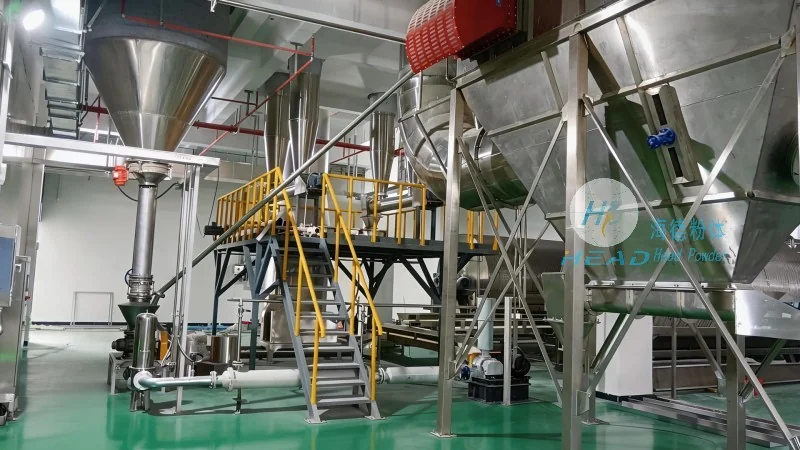
Choosing the appropriate pneumatic conveying system for zinc oxide powder transportation involves evaluating several factors, including the material's properties, the required conveying distance, and the operational environment. The particle size, density, and flowability of zinc oxide powder are critical parameters that influence the choice of system. For example, fine powders with high moisture content may require specialized equipment to prevent agglomeration or caking during transport. The distance between the source and destination also plays a significant role; shorter distances may be suitable for pressure systems, while longer distances might necessitate vacuum or hybrid systems. Furthermore, the scale of production and the need for continuous or batch operation can impact the system design. For instance, large-scale industrial facilities may opt for high-capacity systems to meet production demands, whereas smaller operations might choose more compact and cost-effective solutions.
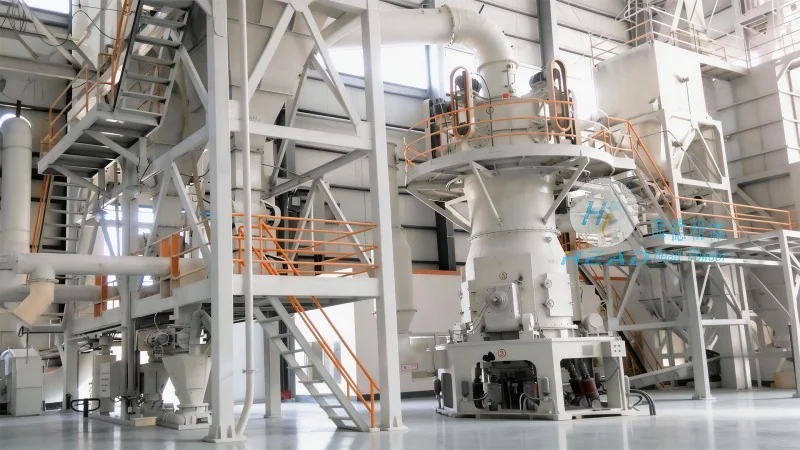
Pneumatic conveying systems offer numerous advantages over traditional mechanical conveying methods, particularly for handling zinc oxide powder. One of the most significant benefits is the reduced risk of product contamination. Unlike mechanical systems that may introduce dust or foreign particles, pneumatic systems maintain a closed environment, ensuring that the zinc oxide powder remains pure and free from external contaminants. This is particularly important in industries where product purity is a regulatory requirement. Another advantage is the ability to handle fine powders without degradation. The gentle movement of the powder within the pipeline minimizes breakage or agglomeration, preserving the particle size distribution and quality of the zinc oxide. Additionally, pneumatic systems are more energy-efficient compared to some mechanical alternatives, as they utilize air pressure rather than heavy machinery to move the material. This leads to lower operational costs and reduced energy consumption over time.
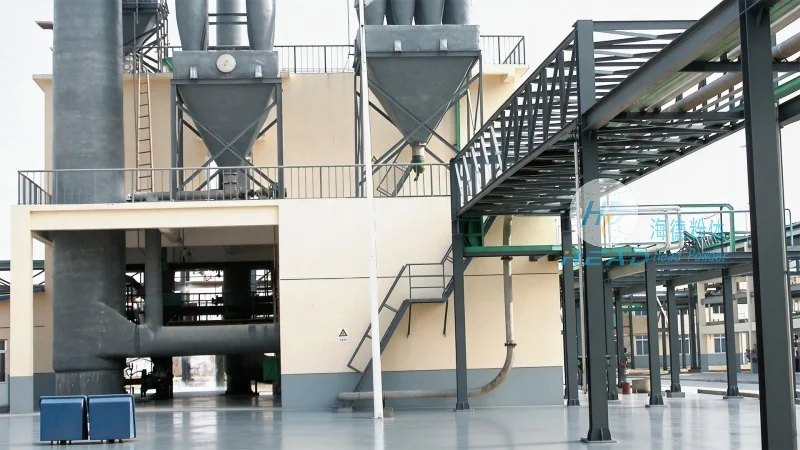
Despite their benefits, pneumatic conveying systems for zinc oxide powder may encounter challenges such as system blockages, material degradation, and operational inefficiencies. Blockages can occur due to the accumulation of powder in the pipeline, often caused by moisture or agglomeration. To mitigate this, regular maintenance, including cleaning and inspection of the pipeline and equipment, is essential. Additionally, using anti-caking agents or adjusting the moisture content of the powder can help prevent agglomeration. Material degradation can also be a concern, especially when handling heat-sensitive or reactive powders. Proper system design, such as maintaining appropriate air velocities and temperatures, can minimize degradation. Furthermore, ensuring proper air filtration and system sealing can prevent contamination and maintain product quality.
As the zinc oxide industry continues to evolve, advancements in pneumatic conveying technology are expected to enhance the efficiency and effectiveness of powder transport. One emerging trend is the integration of automation and control systems, which allow for real-time monitoring and adjustment of conveying parameters. This enables operators to optimize system performance and respond quickly to changes in production demands. Another trend is the development of more energy-efficient systems, such as those utilizing compressed air recovery or variable frequency drives, to reduce operational costs. Additionally, the use of advanced materials and coatings in pipeline construction can improve durability and reduce maintenance requirements. These technological advancements are likely to further improve the reliability and sustainability of pneumatic conveying systems in the zinc oxide industry.

 Shandong Headpowder Engineering Co., Ltd.
 156-6277-7102(Manager Zhang)
  0531-83386006
  Zhangqiu District, Jinan City, Shandong Province, China
telephone
WeChatconsult
top