With more than 10‑year industry experience, Shandong Headpowder delivers full‑service pneumatic‑conveying systems and blowers, undertaking nationwide turn‑key powder‑handling projects.
When it comes to the efficient and reliable transport of white bean slices, pneumatic conveying systems offer a robust solution that addresses the unique challenges of handling this specific product. As a key component in the processing and handling of white bean slices, these systems are designed to ensure smooth material flow, maintain product integrity, and enhance operational efficiency in food processing facilities. The choice of the right pneumatic conveying system is crucial, as it directly impacts the overall performance and cost-effectiveness of the white bean slice handling process.
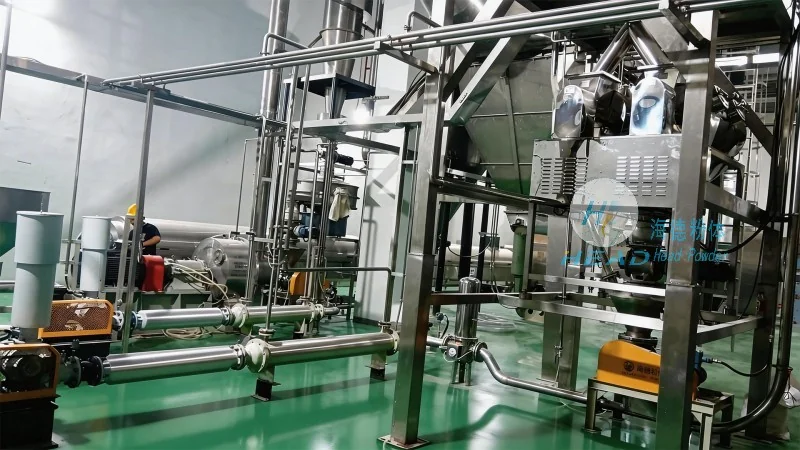
There are primarily two main types of pneumatic conveying systems used in the transport of white bean slices: positive pressure systems and negative pressure (or vacuum) systems. Each type has distinct characteristics and is suited to different operational requirements and material handling scenarios.
Positive pressure systems operate by blowing air or gas into the conveying line, creating a pressure higher than the ambient air pressure. This method is effective for short to medium distance transport and is particularly suitable for white bean slices that are less abrasive and require gentle handling. The system typically uses a blower or compressor to generate the necessary pressure, and the material is drawn into the line through a hopper or feeder. This approach ensures that the white bean slices are moved in a controlled manner, minimizing the risk of breakage or contamination.
Negative pressure systems, on the other hand, create a vacuum in the conveying line, drawing the white bean slices into the system from the source. This type of system is ideal for longer distances and for handling materials that are more prone to dust or require a cleaner environment. The vacuum is generated by a fan or vacuum pump, and the material is pulled through the line. Negative pressure systems are often preferred when the white bean slices need to be transported from multiple points or when the receiving end requires a clean, dust-free environment.
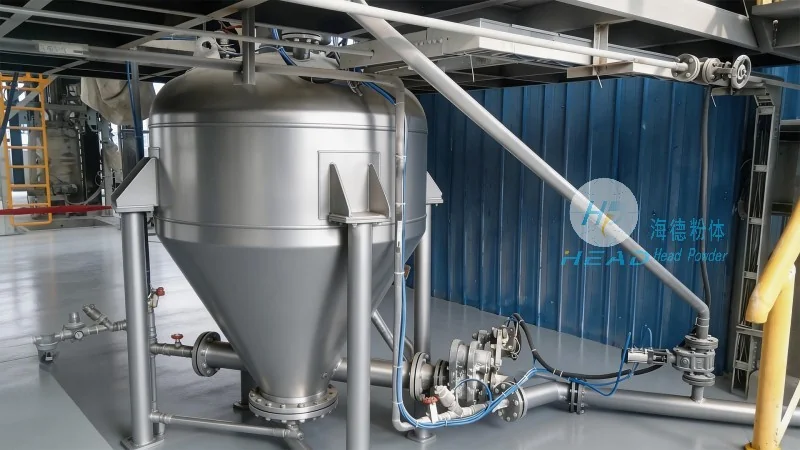
The practical application of pneumatic conveying systems in white bean slice transport varies based on the specific needs of the processing facility. These systems are commonly used in various stages of the white bean slice production process, including raw material handling, processing, and packaging. For instance, in a large-scale food processing plant, a pneumatic conveying system can be used to transport white bean slices from the cutting and slicing stage to the drying or packaging area, ensuring a continuous and uninterrupted workflow.
In addition, these systems are beneficial in environments where traditional mechanical conveyors may not be suitable, such as in facilities with limited space or where the white bean slices are sensitive to mechanical stress. The flexibility of pneumatic conveying systems allows for the integration of multiple conveying lines, enabling the transport of white bean slices to different destinations within the plant. This adaptability makes them a versatile solution for various white bean slice handling requirements.
Another practical application is in the handling of white bean slices that are prone to dust or have a tendency to stick together. Pneumatic conveying systems can effectively handle such materials by using appropriate air velocities and conveying line designs, ensuring that the white bean slices are transported without clogging or loss of product quality. This is particularly important in maintaining the hygienic standards required in food processing industries.
When selecting a pneumatic conveying system for white bean slice transport, several factors need to be considered to ensure optimal performance and cost-effectiveness. The first consideration is the distance and layout of the transport route. The type of system (positive or negative pressure) will depend on the distance between the source and the destination. For shorter distances, a positive pressure system may be sufficient, while longer distances often require a negative pressure system.
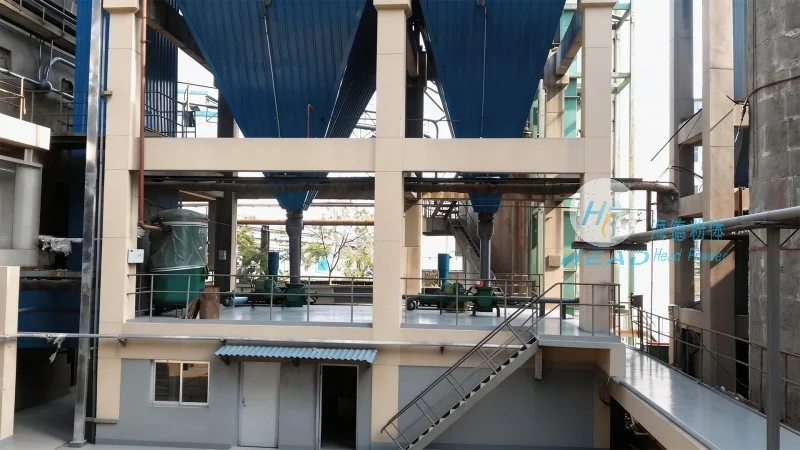
Another critical factor is the material characteristics of the white bean slices. The size, shape, and density of the slices will influence the choice of conveying line diameter, air velocity, and the type of hopper or feeder used. For example, if the white bean slices are irregularly shaped or have a high density, a larger conveying line and higher air velocity may be required to prevent blockages and ensure smooth flow.
The operational environment and hygiene standards are also important considerations. Food processing facilities require systems that are easy to clean and maintain, and that comply with food safety regulations. Pneumatic conveying systems can be designed with stainless steel components and sealed connections to meet these requirements, ensuring that the white bean slices are handled in a hygienic manner.
Cost is another factor that influences the selection of a pneumatic conveying system. While initial investment may vary between positive and negative pressure systems, the long-term operational costs, including energy consumption and maintenance, should be evaluated. A well-designed system that matches the specific needs of the white bean slice transport process will provide the best balance between performance and cost.

 Shandong Headpowder Engineering Co., Ltd.
 156-6277-7102(Manager Zhang)
  0531-83386006
  Zhangqiu District, Jinan City, Shandong Province, China
telephone
WeChatconsult
top