

Comparison of Positive Pressure and Negative Pressure Conveying for Ternary Lithium-Ion Battery Cath
When it comes to the efficient and safe transportation of ternary lithium-ion battery cathode materials, selecting the right pneumatic conveying method is crucial. The choice between positive pressure and negative pressure systems can significantly impact operational efficiency, material quality, and overall system reliability. This article provides a detailed comparison of positive pressure and negative pressure conveying for ternary cathode materials, highlighting the key differences, advantages, and considerations for each approach.
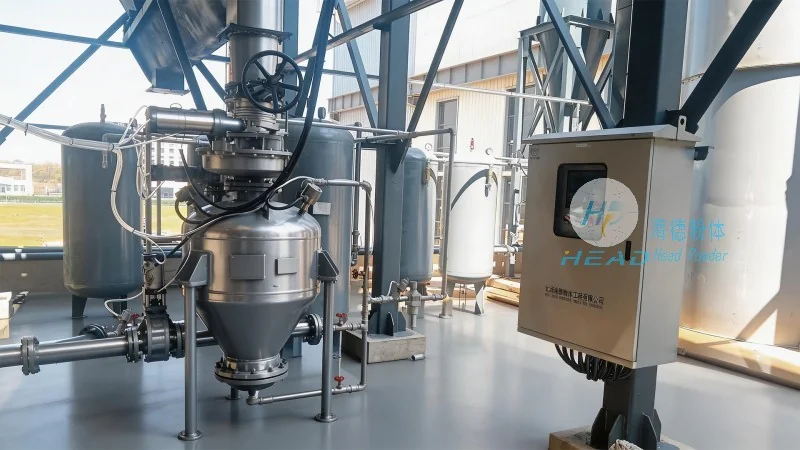
Understanding Pneumatic Conveying Systems
Pneumatic conveying is a widely used technique for transporting bulk materials, including fine powders like ternary lithium-ion battery cathode powders. It involves using air or gas to move material through a pipeline system. The two primary types are positive pressure and negative pressure systems, each with distinct operational principles and applications.
Positive Pressure Conveying: The Advantages and Challenges
Positive pressure conveying, also known as pressure pneumatic conveying, operates by blowing air or gas into the conveying line, creating a pressure higher than the ambient air pressure. This method is often preferred for transporting materials over longer distances or through complex piping networks. One of the main advantages of positive pressure systems is their ability to handle a wide range of material properties, including fine powders with high moisture content or those prone to agglomeration. The pressurized environment helps maintain material flow and prevents clogging in the pipeline.
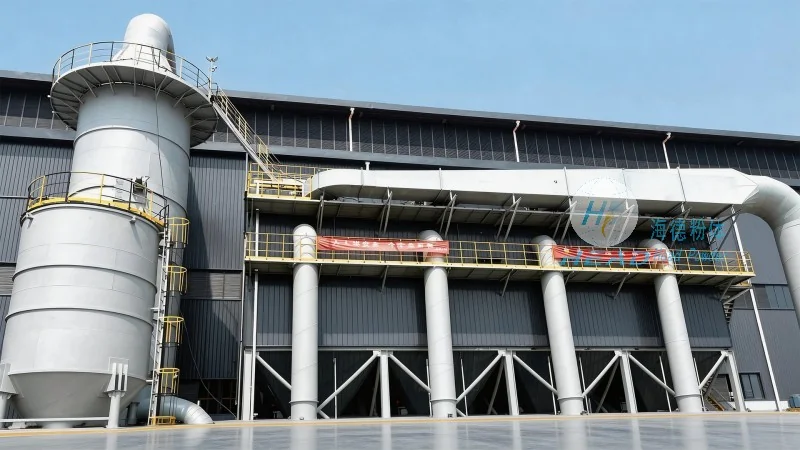
However, positive pressure systems require robust equipment, such as high-pressure blowers and sealed pipelines, which can increase initial capital investment and maintenance costs. Additionally, the higher air pressure may lead to increased energy consumption and potential safety concerns if not properly managed. For ternary cathode materials, which are often sensitive to moisture and oxidation, the sealed system of positive pressure conveying helps preserve material quality by minimizing exposure to ambient air.
Negative Pressure Conveying: The Benefits and Limitations
Negative pressure conveying, or vacuum pneumatic conveying, works by creating a vacuum in the conveying line, drawing material into the system from the source. This method is typically used for shorter distances and simpler layouts, as the vacuum pressure is generally lower than the pressure in positive systems. A key benefit of negative pressure systems is their lower initial cost and simpler design, as they do not require high-pressure blowers or sealed pipelines. The vacuum environment also helps prevent dust emissions and can be more suitable for applications where material is being transferred from a closed container or hopper.
Nevertheless, negative pressure conveying has limitations, particularly when dealing with fine, cohesive powders like ternary cathode materials. The lower pressure can lead to reduced material flow rates and increased risk of clogging or blockages in the pipeline. Additionally, the vacuum system may be more susceptible to air leaks, which can affect the overall conveying efficiency and material quality. For applications requiring high material throughput or long-distance transport, negative pressure systems may not be the optimal choice.
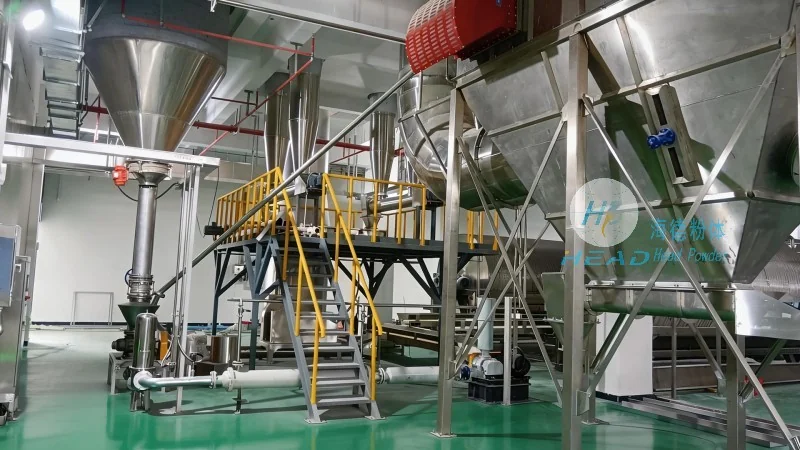
Key Factors in Choosing Between Positive and Negative Pressure Conveying
The decision between positive and negative pressure conveying for ternary cathode materials depends on several critical factors. These include the distance and layout of the conveying system, the material properties (such as particle size, moisture content, and flowability), the required material throughput, and the available budget for equipment and maintenance. For example, if the conveying distance is long or the system involves complex piping with multiple bends and branches, positive pressure conveying may be more suitable due to its higher pressure and ability to maintain consistent material flow. Conversely, for shorter distances or applications where material is being transferred from a closed container, negative pressure conveying could offer cost advantages.
Another important consideration is the impact on material quality. Ternary cathode materials are sensitive to moisture and oxidation, which can affect their performance in lithium-ion batteries. Positive pressure systems, with their sealed pipelines and controlled air flow, provide better protection against these factors, preserving the material's chemical properties. Negative pressure systems, while simpler, may expose the material to ambient air, potentially leading to quality degradation over time.
HeadPowder's Expertise in Pneumatic Conveying Solutions
Shandong HeadPowder Engineering Co., Ltd., a leading provider of bulk material handling solutions, specializes in designing and implementing customized pneumatic conveying systems for the battery materials industry. With years of experience in handling fine powders and complex material flows, HeadPowder understands the unique challenges of transporting ternary lithium-ion battery cathode materials. The company's engineers work closely with clients to assess their specific requirements, including conveying distance, material properties, and operational constraints, to recommend the most appropriate positive or negative pressure system.
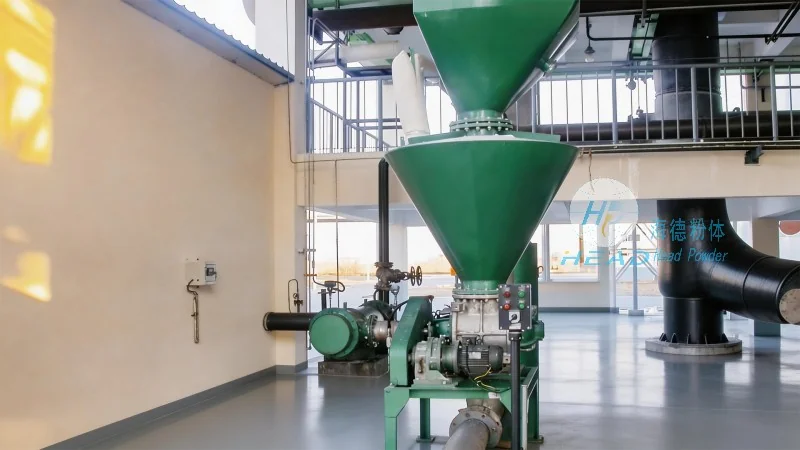
HeadPowder's solutions are tailored to meet the highest standards of efficiency, safety, and material integrity. By leveraging advanced technology and robust engineering, the company ensures that its conveying systems deliver reliable performance while minimizing downtime and maintenance costs. Whether a client requires a positive pressure system for long-distance transport or a negative pressure system for shorter, simpler applications, HeadPowder provides comprehensive support from system design to installation and maintenance.
With a strong commitment to quality and customer satisfaction, Shandong HeadPowder Engineering Co., Ltd. continues to innovate in the field of pneumatic conveying, offering cutting-edge solutions that address the evolving needs of the battery materials industry. By choosing HeadPowder, clients can benefit from expert guidance, reliable equipment, and long-term support to optimize their material handling processes and enhance overall operational performance.