With more than 10‑year industry experience, Shandong Headpowder delivers full‑service pneumatic‑conveying systems and blowers, undertaking nationwide turn‑key powder‑handling projects.
White flour, a staple in the food industry, requires efficient and reliable transportation methods to maintain its quality and integrity. Pneumatic conveying technology has emerged as a critical solution for handling white flour, offering advantages such as dust-free operation, reduced product contamination, and enhanced process control. This article delves into the nuances of negative and positive pressure pneumatic conveying systems, exploring their applications, benefits, and how they contribute to the efficient handling of white flour in industrial settings.
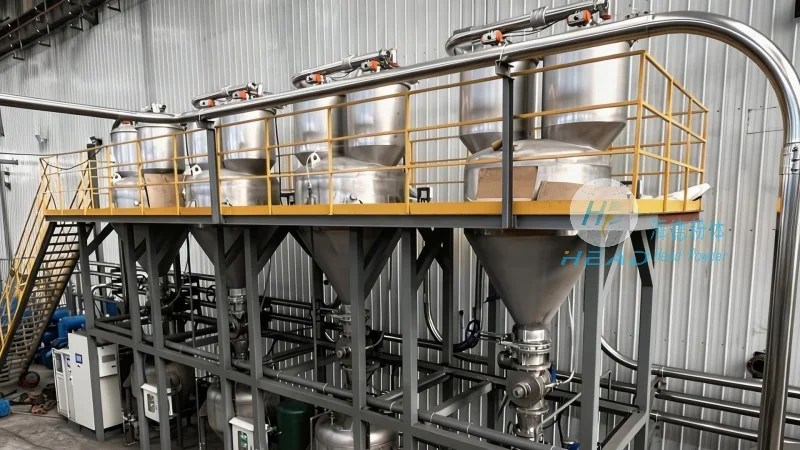
Negative pressure, or vacuum, pneumatic conveying systems operate by creating a low-pressure environment at the material inlet, drawing the flour into the conveying line using a vacuum pump. This method is particularly suitable for applications where the material is to be transported from multiple sources or over short to medium distances. The key components of a negative pressure system include a vacuum pump, a filter, and a material receiver. The vacuum pump creates the necessary suction, while the filter ensures that the flour is not released into the environment as dust. The material receiver collects the flour at the end of the conveying line, ready for further processing or packaging. Negative pressure systems are ideal for handling white flour because they minimize the risk of product degradation due to exposure to air and moisture, which can affect the flour's quality and shelf life.
Conversely, positive pressure systems operate by pressurizing the conveying line with air or gas, pushing the flour through the system. This method is often preferred for longer distances or when the material needs to be transported to elevated locations. The primary components of a positive pressure system include a blower, a filter, and a material discharge point. The blower supplies the necessary pressure to move the flour, and the filter prevents dust from escaping into the environment. Positive pressure systems are suitable for white flour applications where the material is to be transported over longer distances or to higher elevations, such as in large-scale flour mills or processing plants. The pressurized environment helps maintain the flour's quality by reducing exposure to external contaminants and maintaining consistent moisture levels.
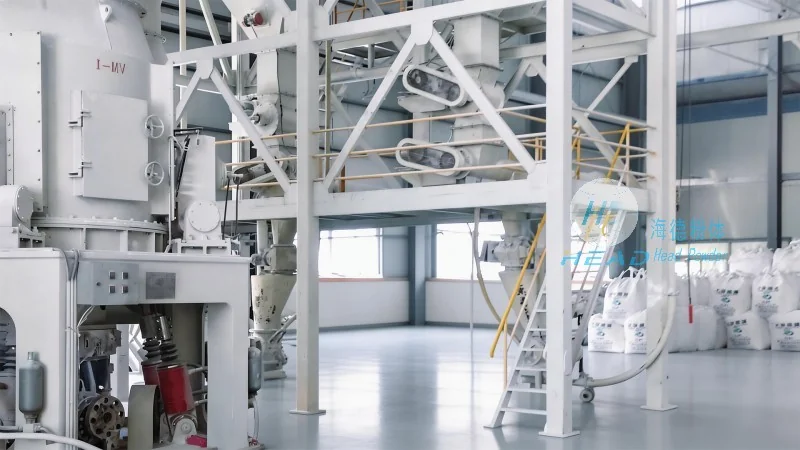
Both negative and positive pressure pneumatic conveying systems offer several advantages when handling white flour. These include:
The versatility of pneumatic conveying systems makes them applicable to various stages of white flour processing. For instance, in flour mills, negative pressure systems can be used to transport raw wheat or flour from storage silos to processing equipment, while positive pressure systems can move the finished flour to packaging lines. In food processing plants, pneumatic conveying is used to transport flour to mixing and baking equipment, ensuring a consistent and efficient workflow. The ability to handle white flour in a hygienic and controlled manner makes pneumatic systems indispensable in the food industry.
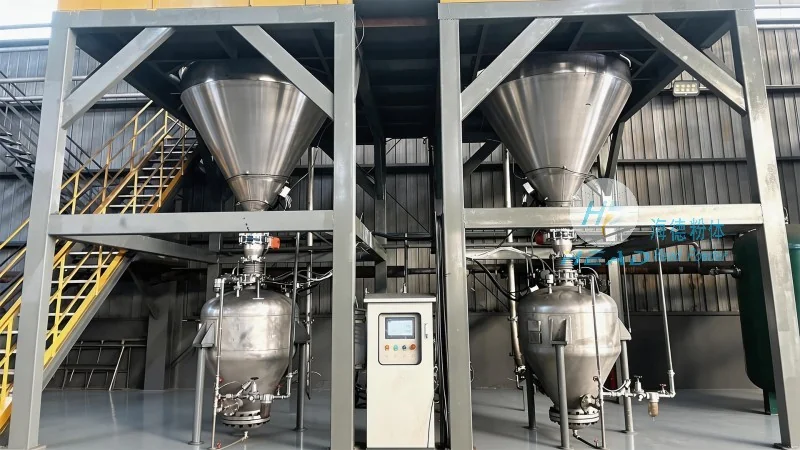
Shandong HeadPowder Engineering Co., Ltd., operating under the brand name headpowder, is a leading provider of pneumatic conveying solutions tailored for the white flour industry. With years of experience in the engineering and manufacturing of industrial conveying systems, headpowder specializes in designing and installing custom pneumatic solutions that meet the specific needs of their clients. The company's expertise lies in understanding the unique challenges of handling white flour, such as maintaining product quality, ensuring operational efficiency, and adhering to industry regulations. By leveraging advanced technology and a customer-centric approach, headpowder delivers high-quality pneumatic conveying systems that enhance the productivity and profitability of flour processing operations.
When selecting a pneumatic conveying system for white flour applications, it is essential to consider factors such as the distance of transport, the required flow rate, and the specific requirements of the processing facility. Negative pressure systems are ideal for short to medium distances and multiple source points, while positive pressure systems are better suited for longer distances or elevated locations. By understanding the differences between these systems and their applications, businesses can make informed decisions that optimize their flour handling processes. With the expertise of companies like Shandong HeadPowder Engineering Co., Ltd., businesses can ensure that their pneumatic conveying systems are designed to meet the highest standards of efficiency, quality, and safety, ultimately contributing to the success of their flour processing operations.

 Shandong Headpowder Engineering Co., Ltd.
 156-6277-7102(Manager Zhang)
  0531-83386006
  Zhangqiu District, Jinan City, Shandong Province, China
telephone
WeChatconsult
top