

Graphite Pneumatic Conveying Technology: In-Depth Analysis of Negative Pressure and Positive Pressur
Graphite is a widely used material in various industries due to its excellent electrical and thermal conductivity, as well as its chemical stability. The efficient and safe transportation of graphite powder is crucial for industrial processes, and pneumatic conveying technology offers a reliable solution. This article provides an in-depth analysis of negative pressure and positive pressure pneumatic conveying systems, focusing on their applications in graphite handling.
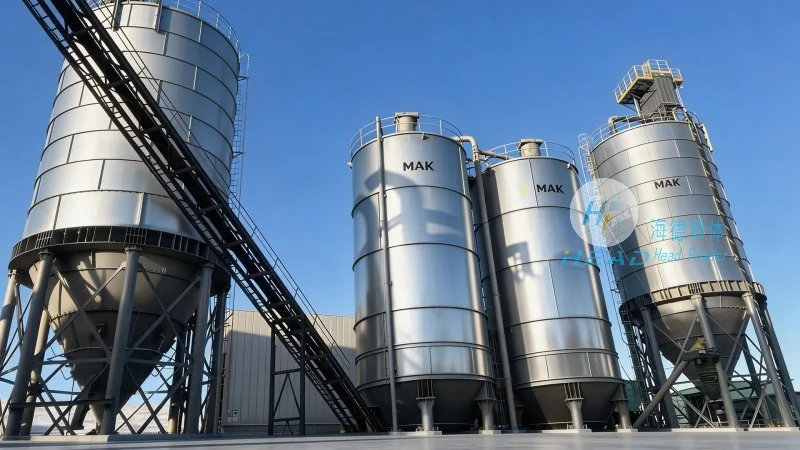
Introduction to Pneumatic Conveying for Graphite
HeadPowder, a leading provider of material handling solutions, specializes in advanced pneumatic conveying systems tailored for the unique properties of graphite. Graphite is a fine powder that can be challenging to handle due to its dustiness and potential for static charge accumulation. Pneumatic conveying systems offer a dust-free, enclosed method of transporting graphite from production sites to processing or storage areas. The choice between negative pressure (vacuum) and positive pressure (pressure) systems depends on factors such as material characteristics, distance, and system layout.
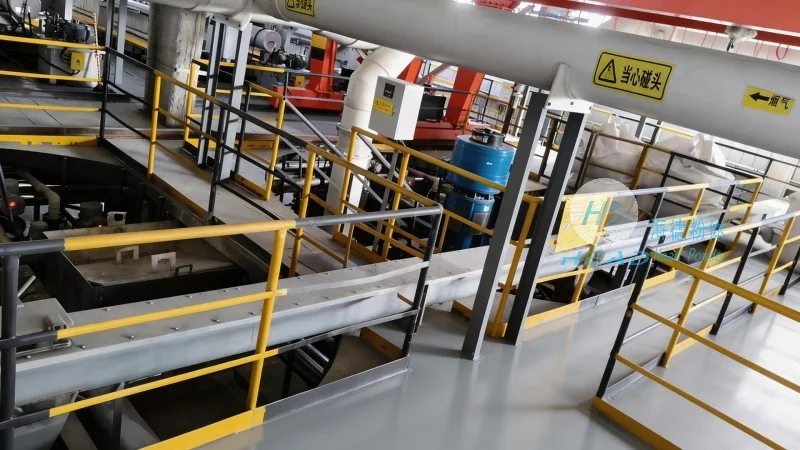
Negative Pressure (Vacuum) Pneumatic Conveying Systems
Negative pressure systems use a vacuum to draw material from the source into the conveying line. This method is particularly effective for long-distance or multi-point pickup applications. The vacuum is created by a fan or blower at the discharge end, pulling material from the source. For graphite, negative pressure systems are suitable when the material is to be transported from a central source to multiple destinations or over longer distances. The enclosed design minimizes dust emissions and ensures compliance with environmental regulations. HeadPowder's negative pressure systems are engineered with high-efficiency filters and robust vacuum pumps to maintain consistent material flow and prevent clogging.
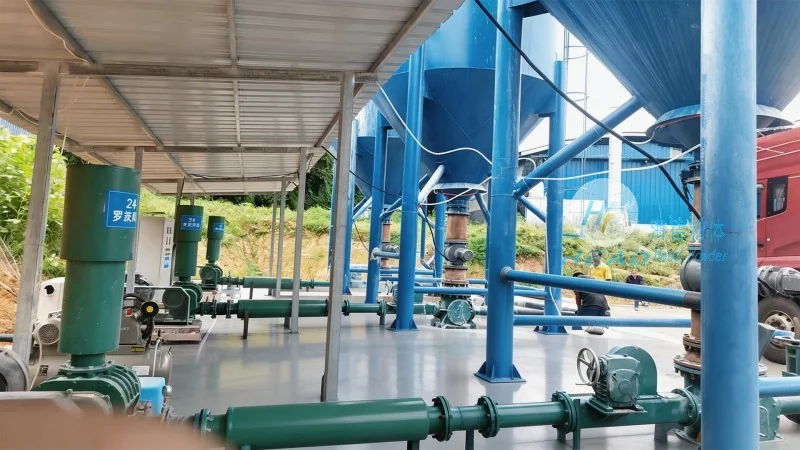
Positive Pressure (Pressure) Pneumatic Conveying Systems
Positive pressure systems use compressed air to push material through the conveying line. This approach is ideal for short to medium distances and when the material needs to be transported from multiple sources to a single destination. The pressure is generated by a blower or compressor at the source, ensuring that the material is pushed through the system. For graphite, positive pressure systems are advantageous when the material is being transferred from a hopper or silo to a processing unit, as they can handle higher material loads and maintain consistent flow rates. HeadPowder's positive pressure systems feature adjustable pressure controls and durable components to handle the abrasive nature of graphite without compromising system performance.
Key Considerations for Graphite Pneumatic Conveying
When selecting a pneumatic conveying system for graphite, several factors must be considered to ensure optimal performance and safety. First, the particle size and moisture content of the graphite affect the system's design. Finer particles may require more precise control of air flow to prevent blockages. Second, the distance and number of pickup points influence whether a negative or positive pressure system is more suitable. For example, a negative pressure system may be preferred for a long-distance transport from a mine to a processing plant, while a positive pressure system might be used for short-distance transfer from a storage silo to a production line. Third, the need for dust control and environmental compliance is critical. Both systems can be equipped with filtration and dust collection systems to meet regulatory requirements. HeadPowder's expertise in material handling allows them to customize systems that address these considerations, ensuring efficient and safe graphite transportation.
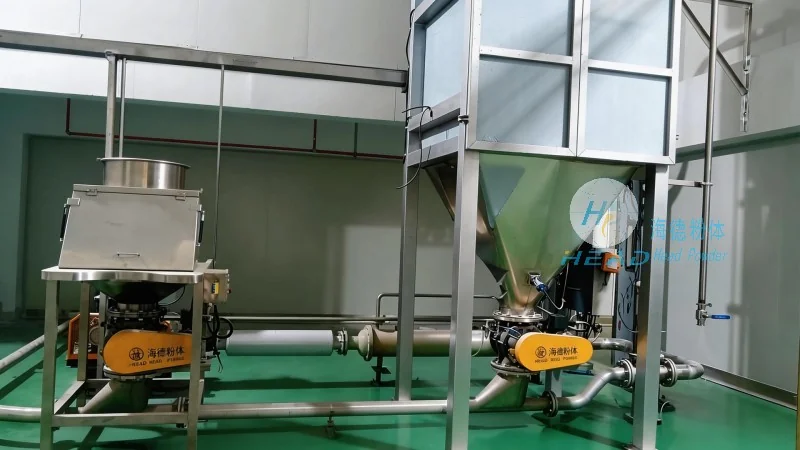
Applications and Benefits
Graphite pneumatic conveying systems are widely used in industries such as battery manufacturing, refractory production, and lubricant formulation. In battery manufacturing, graphite is used as an anode material, and efficient transportation is essential to maintain production continuity. The systems help in moving graphite from raw material storage to the mixing and extrusion stages. In refractory production, graphite is used to enhance the thermal stability of refractory materials, and pneumatic conveying ensures that the material is delivered to the mixing and molding processes without contamination. The benefits of using pneumatic conveying for graphite include reduced labor costs, improved safety by eliminating manual handling, and increased efficiency through automated material transport. HeadPowder's systems are designed to deliver these benefits while providing long-term reliability and low maintenance costs.