With more than 10‑year industry experience, Shandong Headpowder delivers full‑service pneumatic‑conveying systems and blowers, undertaking nationwide turn‑key powder‑handling projects.
Shandong HeadPowder Engineering Co., Ltd., commonly known as headpowder, is a professional manufacturer and supplier specializing in the design and production of advanced material handling systems. With a focus on precision engineering and innovative solutions, the company serves a wide range of industries, including chemical, pharmaceutical, and high-tech manufacturing. HeadPowder is committed to delivering reliable and efficient equipment that meets the stringent requirements of modern production processes.
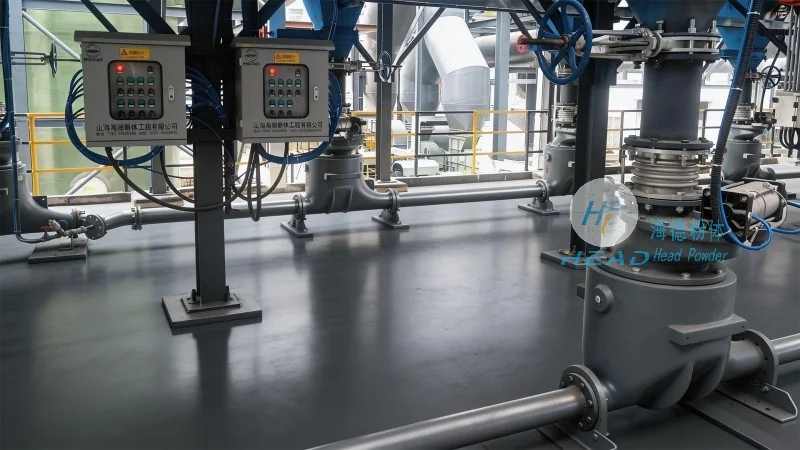
The design of a boron nitride pneumatic conveying system involves several critical factors that ensure optimal performance, safety, and longevity. These considerations are tailored to the unique properties of boron nitride, a material known for its high thermal stability, chemical inertness, and excellent electrical insulating capabilities. Proper system design is essential to prevent material degradation, maintain consistent flow rates, and minimize operational risks.
First, the selection of the appropriate conveying method is a key design consideration. For boron nitride, which is a fine powder with low bulk density, a positive pressure system is often preferred. This system uses compressed air to push the material through the pipeline, ensuring smooth and continuous flow. The choice between dilute phase and dense phase conveying depends on the material's characteristics and the required distance and height of the transfer. Dilute phase systems are suitable for short distances and low material loads, while dense phase systems provide better control and are ideal for longer distances or when handling sensitive materials.
Second, the material of construction for the conveying components is critical. Boron nitride is chemically inert but can be abrasive under certain conditions. Therefore, components such as pipelines, valves, and pumps must be made from materials that can withstand the material's interaction without degradation. Stainless steel, high-grade plastics, or specialized alloys are commonly used to ensure durability and prevent contamination. The selection of these materials also affects the system's overall cost and maintenance requirements.
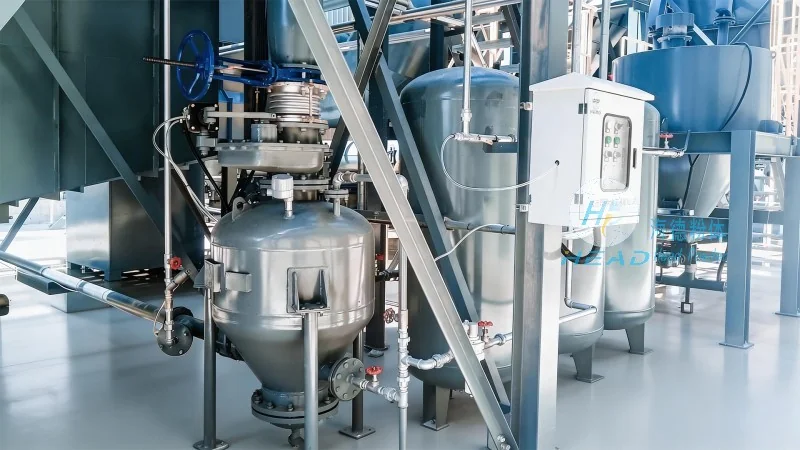
Third, the system's layout and configuration play a significant role in its efficiency. Properly designed pipelines with appropriate diameters and slopes are essential to maintain consistent air velocity and prevent material settling or blockages. The placement of inlets, outlets, and control valves must be strategically planned to minimize pressure losses and ensure smooth material transfer. For large-scale applications, a network of interconnected pipelines may be required, and the design must account for the entire system's pressure drop and flow dynamics.
Fourth, safety and operational controls are paramount in pneumatic conveying systems. Boron nitride, while generally non-toxic, can cause respiratory issues if inhaled in large quantities. Therefore, the system must include proper dust collection and filtration to prevent airborne particles. Additionally, pressure relief valves and emergency shut-off mechanisms are essential to prevent over-pressurization and ensure safe operation. The integration of sensors and monitoring systems allows for real-time tracking of flow rates, pressure, and temperature, enabling proactive maintenance and preventing system failures.
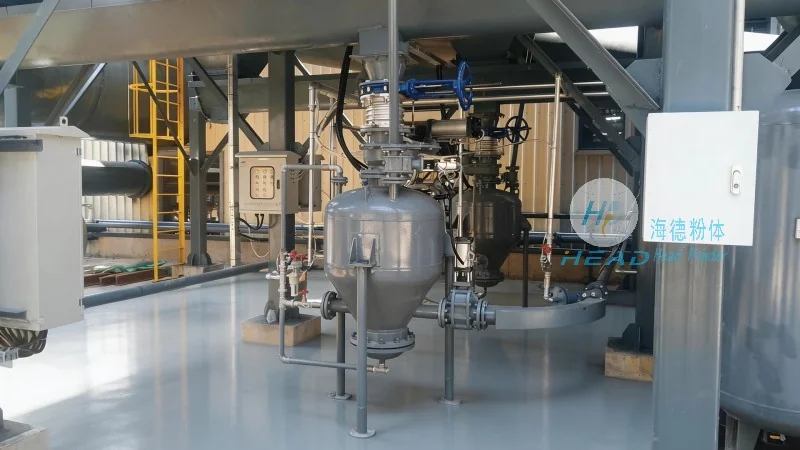
Fifth, maintenance and operational considerations are integral to the system's long-term performance. Regular cleaning and inspection of components are necessary to prevent buildup of material or debris, which can affect system efficiency. The use of compatible lubricants and cleaning agents is crucial to maintain the integrity of the equipment. Additionally, training operators on proper system operation and maintenance procedures ensures optimal performance and extends the system's lifespan.
Another important design consideration is the control of air flow and pressure. The air velocity in the pipeline must be maintained above the material's minimum fluidization velocity to prevent settling. This requires precise regulation of the compressed air supply and the use of appropriate air filters to ensure clean air. The system's pressure drop across the pipeline and components must be calculated to determine the required air pressure and compressor capacity. Proper pressure regulation is essential to maintain consistent flow rates and prevent excessive energy consumption.
Maintenance strategies are also critical for the longevity of a boron nitride pneumatic conveying system. Regular inspection of pipelines for signs of wear or corrosion, and replacement of worn components, can prevent system failures. The use of high-quality seals and gaskets in valves and fittings reduces the risk of air leaks, which can lead to pressure loss and material loss. Additionally, periodic cleaning of the system, including the removal of accumulated material from pipelines and filters, ensures optimal performance and prevents blockages. By implementing a proactive maintenance schedule, the system's efficiency and lifespan can be significantly extended.

 Shandong Headpowder Engineering Co., Ltd.
 156-6277-7102(Manager Zhang)
  0531-83386006
  Zhangqiu District, Jinan City, Shandong Province, China
telephone
WeChatconsult
top