With more than 10‑year industry experience, Shandong Headpowder delivers full‑service pneumatic‑conveying systems and blowers, undertaking nationwide turn‑key powder‑handling projects.
For industries dealing with polyester fibers, efficient material handling is crucial. Pneumatic conveying systems offer a reliable solution for transporting these lightweight, often abrasive materials. The design and selection of such systems require careful consideration of material properties, process requirements, and operational efficiency. This article provides an overview of the design calculations and equipment selection process for polyester fiber pneumatic conveying, highlighting the expertise of Shandong HeadPowder Engineering Co., Ltd. (headpowder), a leading provider in the field.
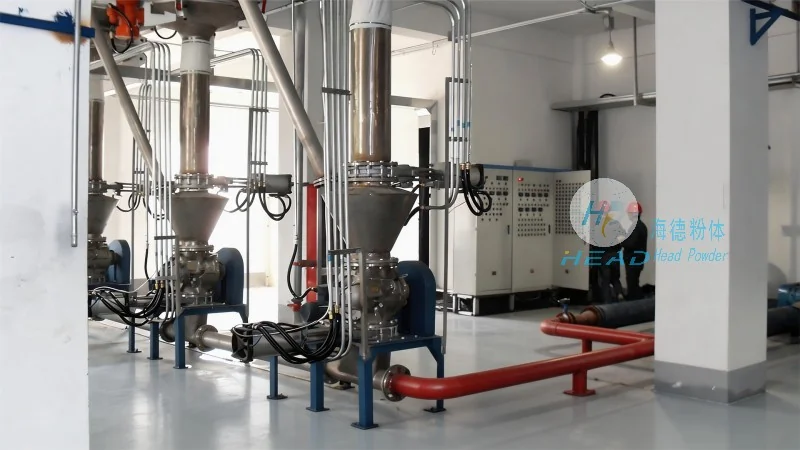
When designing a pneumatic conveying system for polyester fibers, several factors must be evaluated to ensure optimal performance. First, the physical properties of the polyester fibers, such as particle size, density, and moisture content, influence the selection of conveying methods. For example, fine polyester fibers may require a high-velocity, low-pressure system to prevent particle degradation or blockages. Additionally, the distance and elevation changes between the feed and discharge points are critical parameters that affect the required air flow rate and pressure. The system's capacity, typically measured in tons per hour, must align with the production demands of the facility. Shandong HeadPowder Engineering Co., Ltd. utilizes advanced computational tools to model these variables, ensuring that the final design meets both operational and economic objectives.
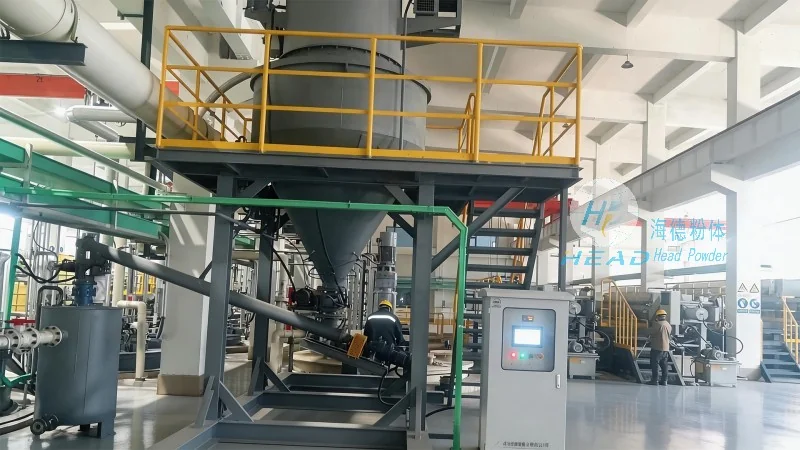
The core of pneumatic conveying system design involves calculating the necessary airflow and pressure to move polyester fibers through the system. The calculation process starts with determining the material's bulk density and the required conveying velocity. For polyester fibers, the conveying velocity is often set between 20 to 30 meters per second for low-pressure systems and up to 50 meters per second for high-pressure systems. The air flow rate is then calculated based on the material's flow rate and the selected conveying velocity. Pressure drop calculations are essential to ensure that the system can generate sufficient pressure to overcome friction losses in the pipeline and any elevation changes. The pressure drop is influenced by factors like pipe diameter, length, bends, and fittings. By integrating these calculations, headpowder engineers can determine the appropriate blower or compressor size and the required power input. This meticulous approach guarantees that the system operates within safe and efficient parameters, minimizing energy consumption and maintenance costs.
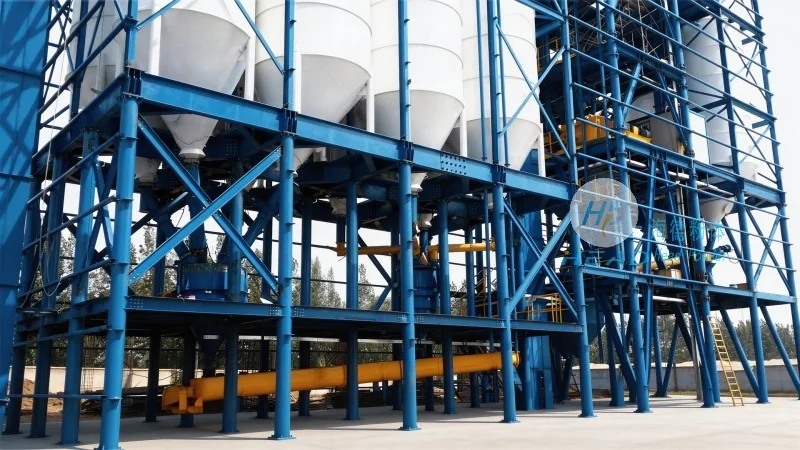
Choosing the right equipment is paramount to the success of a polyester fiber pneumatic conveying system. The primary components include the feed hopper, material feeder, air mover (blower or compressor), conveying pipeline, and discharge device. The feed hopper must be designed to handle the specific characteristics of polyester fibers, such as preventing static buildup and ensuring consistent material flow. For fine fibers, a rotary valve or star feeder may be used to control the feed rate accurately. The air mover is selected based on the required pressure and airflow, with options ranging from positive displacement blowers to centrifugal compressors. The pipeline material and diameter are critical, as polyester fibers can be abrasive and may cause wear over time. Stainless steel or high-grade plastic pipes are commonly used to withstand the material's properties. The discharge device, such as a cyclone separator or bag filter, is essential for separating the fibers from the air stream and preventing dust emissions. Shandong HeadPowder Engineering Co., Ltd. offers a comprehensive range of equipment tailored to the unique needs of polyester fiber applications, ensuring that each component is optimized for performance and durability.
One of the notable projects undertaken by Shandong HeadPowder Engineering Co., Ltd. involved designing a custom pneumatic conveying system for a polyester fiber manufacturer in China. The client required a system to transport fine polyester fibers from a production line to a storage silo, covering a distance of 150 meters with a 10-meter elevation rise. The headpowder team conducted a thorough analysis of the material properties, including particle size distribution and moisture content, and performed detailed calculations for airflow and pressure. The final design included a low-pressure, high-capacity system with a positive displacement blower, a rotary valve feeder, and a stainless steel pipeline. The system was installed and commissioned, achieving a conveying capacity of 10 tons per hour with minimal pressure drop. The client reported significant improvements in material handling efficiency and reduced downtime due to blockages. This case study exemplifies the expertise and practical application of headpowder's design and equipment selection methodologies.
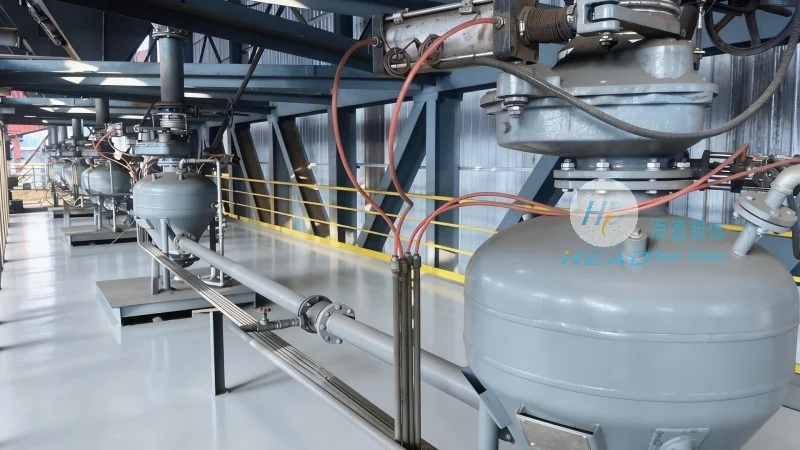
Efficient pneumatic conveying of polyester fibers is essential for maintaining production efficiency and product quality in the textile and fiber industries. The design calculations and equipment selection processes outlined in this article highlight the importance of considering material properties, operational requirements, and system performance. Shandong HeadPowder Engineering Co., Ltd. (headpowder), with its headquarters in Shandong, China, specializes in providing tailored pneumatic conveying solutions for polyester fiber applications. By leveraging advanced engineering and practical experience, headpowder ensures that each system is optimized for reliability, energy efficiency, and long-term performance. For inquiries or customized solutions, please contact Shandong HeadPowder Engineering Co., Ltd. at their address in Shandong, China.

 Shandong Headpowder Engineering Co., Ltd.
 156-6277-7102(Manager Zhang)
  0531-83386006
  Zhangqiu District, Jinan City, Shandong Province, China
telephone
WeChatconsult
top