With more than 10‑year industry experience, Shandong Headpowder delivers full‑service pneumatic‑conveying systems and blowers, undertaking nationwide turn‑key powder‑handling projects.
When it comes to the efficient and reliable transportation of bulk materials, especially in industrial settings, the design of a pneumatic conveying system is crucial. For applications involving calcium hydroxide, a specialized system must be engineered to handle the material's properties, ensuring minimal degradation and optimal performance. This article explores the design considerations, technical aspects, and practical implementation of a calcium hydroxide pneumatic conveying system, highlighting the expertise of Shandong HeadPowder Engineering Co., Ltd. as a leading provider in the field.
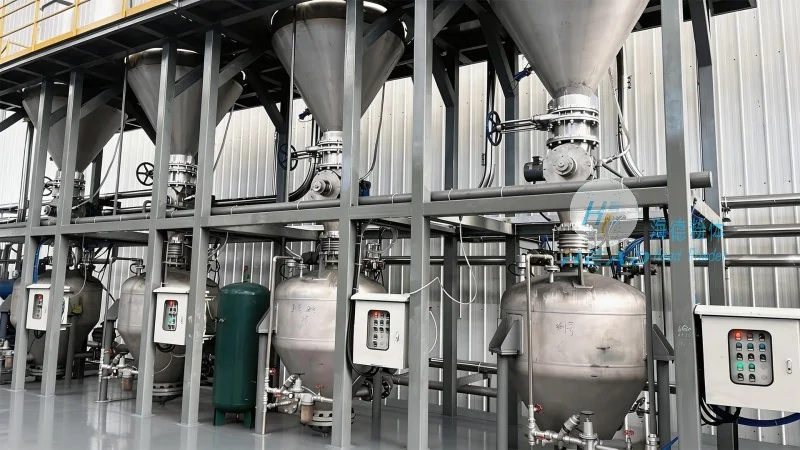
Shandong HeadPowder Engineering Co., Ltd., commonly known as HeadPowder, is a reputable enterprise based in Shandong, China. With a strong focus on engineering solutions for bulk material handling, the company specializes in the design, manufacturing, and installation of pneumatic conveying systems. HeadPowder's team of experienced engineers and technicians brings decades of industry knowledge to each project, ensuring that every system is tailored to meet specific client requirements while adhering to the highest standards of safety and efficiency.
The successful design of a calcium hydroxide pneumatic conveying system relies on several critical factors. First, the material's physical properties, such as its particle size distribution, moisture content, and flowability, must be thoroughly analyzed. Calcium hydroxide, also known as slaked lime, is a fine powder that can be prone to caking or agglomeration if not handled properly. Therefore, the system design must incorporate features like air classification, moisture control, and appropriate ductwork to prevent blockages and maintain consistent flow rates.
Second, the selection of the right pneumatic conveying technology is essential. For calcium hydroxide, a positive pressure system is often preferred due to its ability to handle abrasive materials and maintain a stable flow. The system typically includes a blower, a hopper for material storage, a feeder to control the discharge rate, and a series of ducts and valves to direct the material to its destination. The choice of blower type—such as a centrifugal or rotary lobe blower—depends on the system's capacity and the required pressure, with considerations for energy efficiency and noise levels.
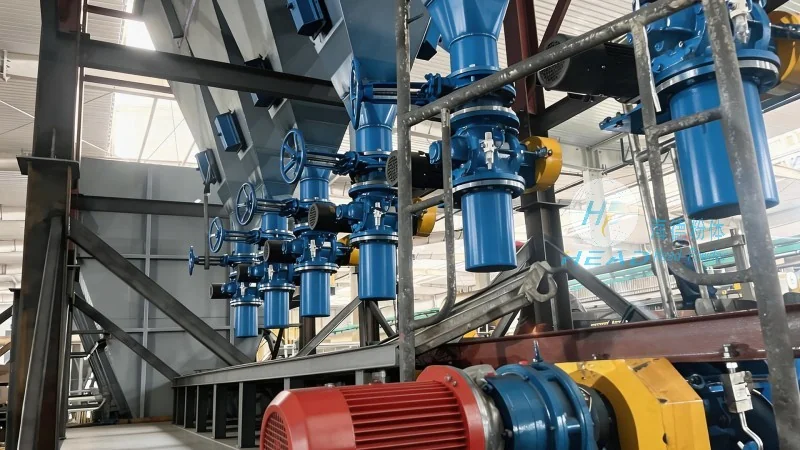
Third, the system's layout and integration with existing infrastructure are vital. The design must account for the distance between the source and destination, the number of transfer points, and any obstacles that may affect the airflow. Proper duct sizing is crucial to maintain the required velocity to keep the material in suspension, preventing deposition and ensuring smooth transport. Additionally, the system should include safety features such as pressure relief valves, dust collection systems, and monitoring equipment to detect any anomalies and prevent operational issues.
The calcium hydroxide pneumatic conveying system is widely used in various industries, including construction, agriculture, and chemical processing. In the construction sector, it facilitates the efficient delivery of lime for mortar and concrete production, reducing manual handling and improving workplace safety. In agriculture, the system can transport lime for soil conditioning, ensuring uniform distribution and enhancing crop yields. The chemical industry may use it for processes involving lime in wastewater treatment or as a raw material in chemical synthesis.
Implementing a well-designed pneumatic conveying system offers several advantages. It eliminates the need for traditional bulk handling methods like trucks or conveyor belts, which can be labor-intensive and prone to material spillage. The system also reduces dust exposure, improving occupational health and safety standards. Furthermore, it enhances operational efficiency by automating the material transport process, allowing for consistent and continuous flow. This leads to increased productivity and reduced downtime, ultimately contributing to cost savings for the end-user.
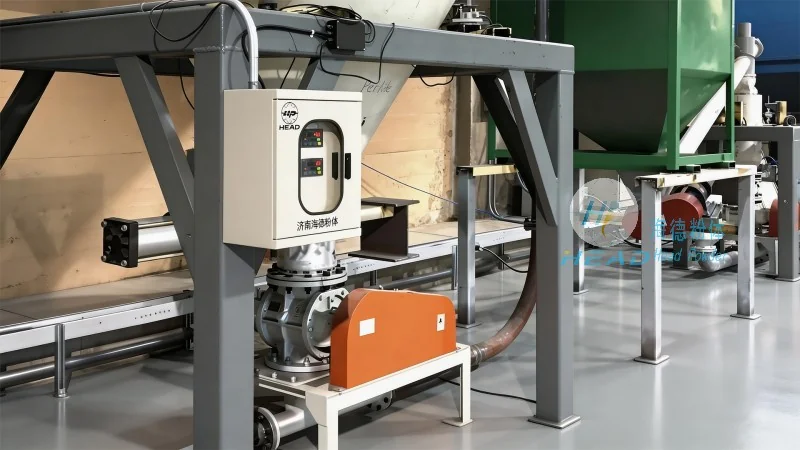
HeadPowder Engineering offers customized solutions tailored to the specific needs of each client. The technical specifications of a calcium hydroxide pneumatic conveying system can vary based on factors such as the required capacity, the distance of transport, and the material's characteristics. Typical system capacities range from a few tons per hour to several hundred tons per hour, depending on the application. The system may include components like a hopper with a capacity of 1-5 cubic meters, a feeder with adjustable discharge rates, and ducts with diameters ranging from 100mm to 300mm, depending on the flow rate and pressure requirements.
The company's engineers work closely with clients to assess their operational needs and provide recommendations on the most suitable equipment. This includes selecting the appropriate blower model, determining the optimal duct layout, and specifying the necessary safety and control systems. Customization may also involve integrating the system with existing facilities, ensuring seamless operation and minimal disruption to current processes.
Designing a calcium hydroxide pneumatic conveying system requires a comprehensive approach that considers material properties, technical requirements, and operational goals. Shandong HeadPowder Engineering Co., Ltd. leverages its expertise and experience to deliver high-quality, customized solutions that meet the diverse needs of industrial clients. By focusing on efficiency, safety, and reliability, the company helps its customers optimize their material handling processes and achieve better overall performance. For inquiries or customized system designs, please contact HeadPowder Engineering, located in Shandong, China.

 Shandong Headpowder Engineering Co., Ltd.
 156-6277-7102(Manager Zhang)
  0531-83386006
  Zhangqiu District, Jinan City, Shandong Province, China
telephone
WeChatconsult
top