With more than 10‑year industry experience, Shandong Headpowder delivers full‑service pneumatic‑conveying systems and blowers, undertaking nationwide turn‑key powder‑handling projects.
HeadPowder, a prominent engineering company headquartered in Shandong, China, offers specialized solutions for the design and construction of pneumatic conveying systems dedicated to handling coke and limestone powders. These systems are integral to various industrial processes where the reliable and efficient transport of bulk materials is paramount. The design of such systems requires a deep understanding of material properties, operational requirements, and the specific challenges associated with handling fine powders like coke and limestone.
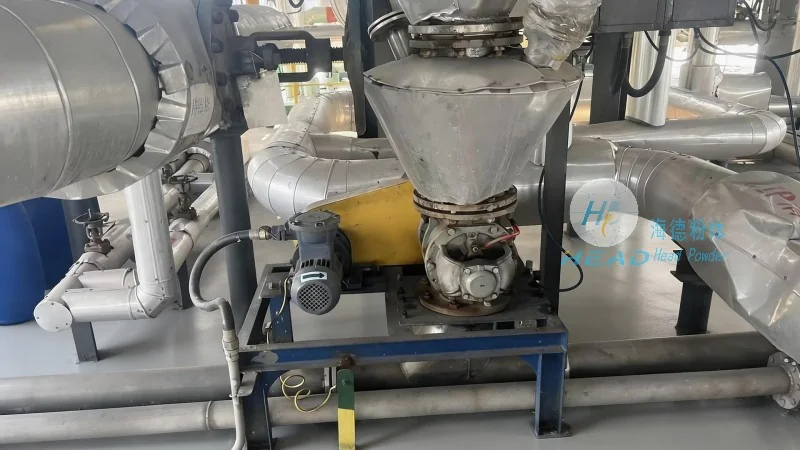
The pneumatic conveying system for coke and limestone powder typically consists of several critical components that work in tandem to ensure optimal performance. The primary components include a material hopper for storage and feeding, a rotary valve or feeder to control the flow rate, a conveying line (often equipped with bends and straight sections), a pressure vessel or receiver for material collection, and a dust collector to manage airborne particles. Each component is carefully selected and integrated to meet the specific demands of the application, ensuring consistent and reliable material transport.
The operation of the pneumatic conveying system relies on the principle of air movement to transport solid materials. In this system, a fan or blower generates a flow of air that is directed through the conveying line. The coke and limestone powder is introduced into the system at the inlet, where it is entrained by the moving air stream. The air and material mixture travels through the pipeline, overcoming gravitational and frictional forces, and is eventually deposited into the receiving vessel at the discharge end. The system operates under either positive pressure (where air is forced through the line) or negative pressure (where air is drawn out), depending on the specific requirements of the application and the layout of the conveying line.
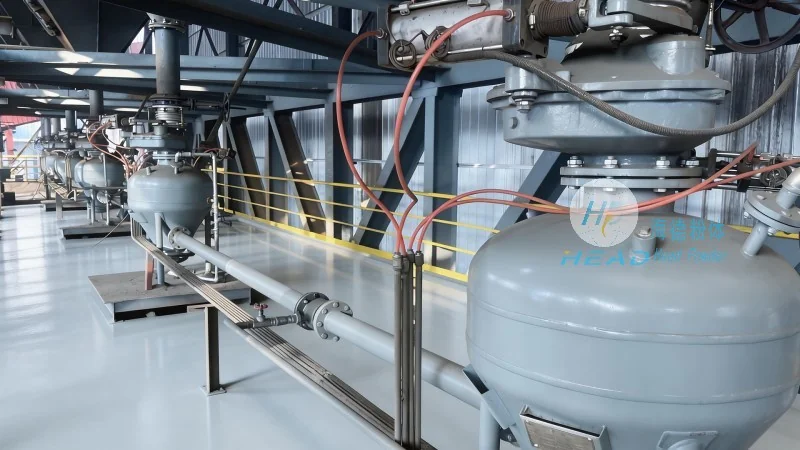
Implementing a pneumatic conveying system for coke and limestone powder offers numerous advantages over traditional mechanical conveying methods. One of the most significant benefits is the ability to handle fine powders without the need for mechanical components that could cause material degradation or blockages. The system also provides a closed-loop operation, minimizing dust emissions and ensuring environmental compliance. Additionally, pneumatic conveying systems offer flexibility in terms of layout, allowing for horizontal, vertical, or mixed-direction transport, which can optimize space utilization in industrial facilities. The reduced maintenance requirements and lower energy consumption compared to traditional systems further enhance the economic viability of these solutions.
Pneumatic conveying systems designed for coke and limestone powder are widely used in various industrial sectors, including steel production, cement manufacturing, and chemical processing. In steel plants, these systems are crucial for transporting coke from storage silos to blast furnaces, ensuring a steady supply of raw material for the smelting process. In cement factories, the system facilitates the transport of limestone from quarries to grinding mills, where it is processed into clinker. The versatility of the system also makes it suitable for other applications such as in the production of calcium carbonate, where fine limestone powder is used as a filler or additive. The integration of these systems into existing industrial processes requires careful planning and engineering to ensure seamless operation and minimal disruption to production schedules.
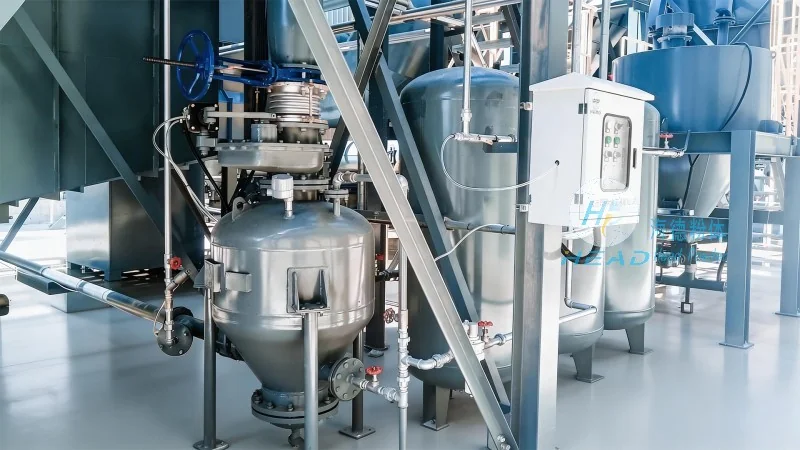
The design of a pneumatic conveying system for coke and limestone powder involves several critical considerations to ensure optimal performance and longevity. The first step is to analyze the material properties, including particle size distribution, moisture content, and bulk density, as these factors directly impact the system's design parameters. The system's capacity and flow rate are determined based on the production requirements and the desired throughput. The selection of the conveying line material, such as stainless steel or carbon steel, is also important to prevent corrosion and material contamination. Additionally, the system's layout is optimized to minimize pressure losses and energy consumption, which are key factors in the overall efficiency of the operation. HeadPowder provides customized solutions tailored to the specific needs of each client, ensuring that the system is optimized for their unique operational conditions and material characteristics.
HeadPowder's expertise in designing pneumatic conveying systems for coke and limestone powder demonstrates the company's commitment to providing reliable and efficient solutions for industrial material handling. By leveraging advanced engineering principles and a deep understanding of material behavior, HeadPowder ensures that its systems meet the highest standards of performance and durability. As industrial processes continue to evolve and demand more efficient material transport solutions, the importance of well-designed pneumatic conveying systems will only grow. HeadPowder remains at the forefront of this technology, offering innovative solutions that enhance operational efficiency and support the growth of its clients' businesses.

 Shandong Headpowder Engineering Co., Ltd.
 156-6277-7102(Manager Zhang)
  0531-83386006
  Zhangqiu District, Jinan City, Shandong Province, China
telephone
WeChatconsult
top