With more than 10‑year industry experience, Shandong Headpowder delivers full‑service pneumatic‑conveying systems and blowers, undertaking nationwide turn‑key powder‑handling projects.
Efficient and reliable dust handling is a critical aspect of modern industrial operations, and the design of dust pneumatic conveying systems plays a pivotal role in achieving this goal. These systems are engineered to transport fine powders and dust particles through a network of pipes using compressed air or other gas streams, offering a versatile solution for various industrial applications. The design process involves careful consideration of material properties, flow rates, system pressure, and operational requirements to ensure optimal performance and minimal maintenance.
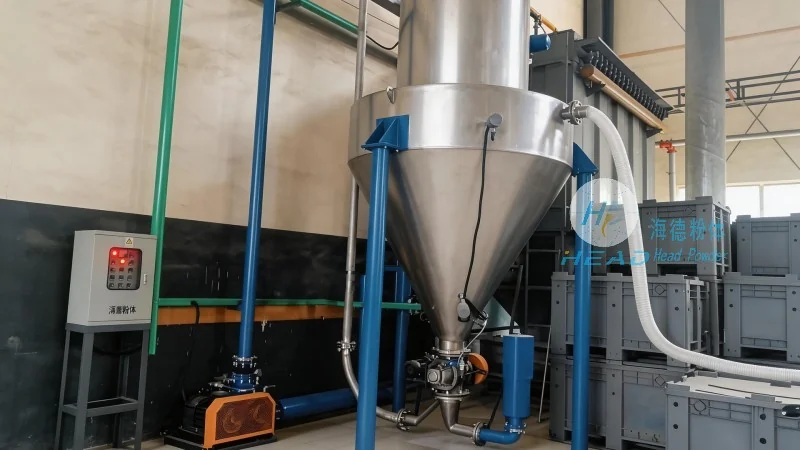
The core components of a dust pneumatic conveying system typically include a material feed hopper, a conveying line (composed of pipes and fittings), a gas source (such as a blower or compressor), and a discharge or collection unit. The design must account for the specific characteristics of the dust, including particle size, density, and moisture content, as these factors directly impact the system's efficiency and energy consumption. For instance, systems handling highly abrasive or corrosive dust may require specialized materials for the conveying line and components to prevent wear and degradation over time.
System pressure is another critical design parameter. Low-pressure systems operate at pressures ranging from 0.5 to 1 bar and are suitable for short distances and low flow rates, while high-pressure systems can reach pressures up to 10 bar, enabling longer conveying distances and higher throughput. The choice between positive and negative pressure systems also influences the design, with positive pressure systems being more common for transporting dust from a central source to multiple destinations, and negative pressure systems used for dust collection and removal from enclosed spaces.
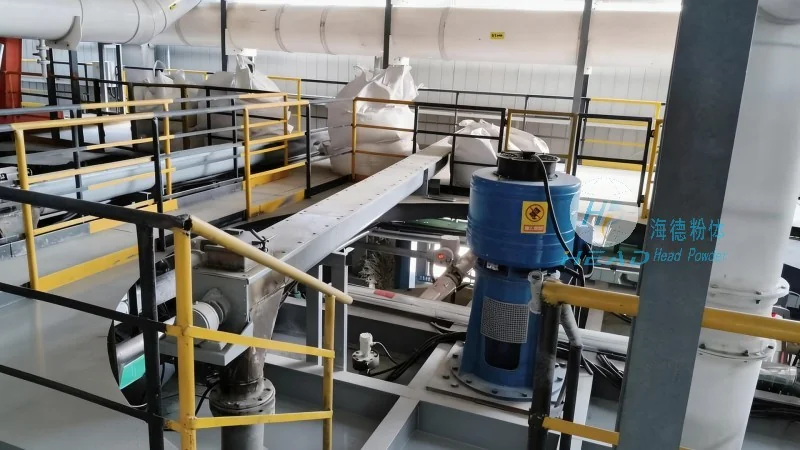
Shandong HeadPowder Engineering Co., Ltd., a leading provider in the field, specializes in the design, manufacturing, and implementation of dust pneumatic conveying systems tailored to the unique needs of industrial clients. With a focus on innovation and precision, HeadPowder leverages advanced engineering techniques to develop customized solutions that enhance operational efficiency and reduce downtime. The company's team of experienced engineers and technicians work closely with clients to understand their specific requirements, from material handling challenges to space constraints and budget considerations.
HeadPowder's approach to system design emphasizes durability, energy efficiency, and compliance with industry standards. By utilizing high-quality materials and advanced control systems, their solutions ensure consistent performance and minimal maintenance. The company's commitment to customer satisfaction is reflected in its comprehensive after-sales support, including system monitoring, maintenance services, and technical assistance to address any operational issues that may arise.
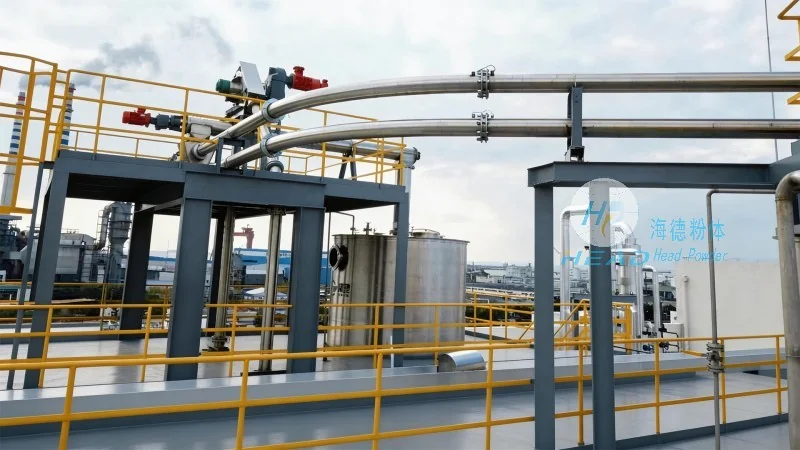
Dust pneumatic conveying systems are highly adaptable to a wide range of industrial applications, including pharmaceuticals, food processing, chemical manufacturing, and mining. The ability to handle diverse materials, from fine powders to granules, makes these systems indispensable in sectors where traditional mechanical conveying methods may be unsuitable or inefficient. For example, in the pharmaceutical industry, where dust control and product purity are paramount, HeadPowder's systems are designed to meet stringent regulatory requirements, ensuring safe and hygienic material handling.
In the food processing sector, systems are often tailored to handle sensitive ingredients while maintaining strict sanitary standards. The use of stainless steel components and easy-to-clean designs helps prevent contamination and ensures compliance with food safety regulations. Similarly, in chemical manufacturing, systems are engineered to handle corrosive or hazardous dusts, incorporating features such as explosion-proof designs and material-specific coatings to mitigate risks and ensure operational safety.
Investing in a professionally designed dust pneumatic conveying system offers numerous benefits beyond simple material transport. These systems can significantly reduce labor costs by automating the handling process, minimize material loss and contamination, and improve overall operational efficiency. By eliminating the need for manual handling, they also enhance workplace safety by reducing exposure to dust and other airborne particles. Additionally, well-designed systems can lower energy consumption compared to traditional methods, contributing to cost savings and environmental sustainability.
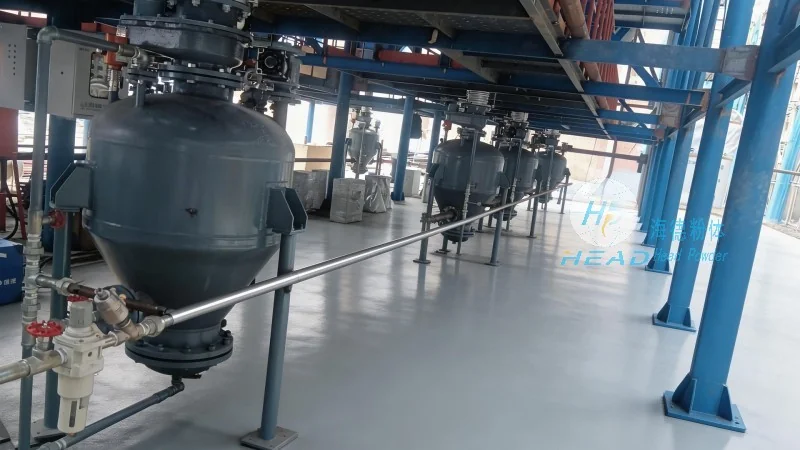
Furthermore, the scalability of pneumatic conveying systems allows for easy expansion as production needs grow. Whether a company is starting with a small-scale operation or planning for future expansion, a professionally designed system can accommodate increased throughput without requiring a complete overhaul. This flexibility makes dust pneumatic conveying an attractive long-term solution for businesses looking to optimize their material handling processes.
In conclusion, the design of dust pneumatic conveying systems is a complex yet essential process that requires expertise, attention to detail, and a deep understanding of industrial needs. Companies like Shandong HeadPowder Engineering Co., Ltd. play a vital role in delivering high-quality, customized solutions that meet the demands of modern industry. By focusing on durability, efficiency, and adaptability, these systems not only enhance operational performance but also contribute to a safer and more sustainable working environment.

 Shandong Headpowder Engineering Co., Ltd.
 156-6277-7102(Manager Zhang)
  0531-83386006
  Zhangqiu District, Jinan City, Shandong Province, China
telephone
WeChatconsult
top