With more than 10‑year industry experience, Shandong Headpowder delivers full‑service pneumatic‑conveying systems and blowers, undertaking nationwide turn‑key powder‑handling projects.
Metallurgical coke, a vital raw material in the steel industry, demands efficient and reliable transportation to support seamless production workflows. Pneumatic conveying systems provide an effective means of moving coke from storage to processing units. This article examines several viable solutions for the pneumatic conveying of metallurgical coke, detailing technical approaches and practical applications.
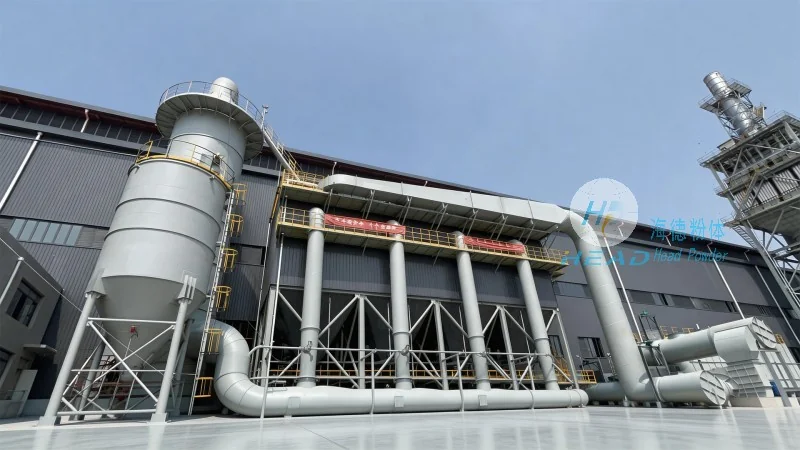
Shandong HeadPowder Engineering Co., Ltd., commonly known as HeadPowder, specializes in engineering solutions for material handling and processing. The company focuses on industrial applications, delivering tailored systems for bulk materials including metallurgical coke. HeadPowder's expertise lies in designing and implementing efficient pneumatic conveying systems that meet the specific needs of steel and related industries.
The positive pressure conveying system is a widely adopted method for transporting metallurgical coke. In this approach, air is supplied under pressure to the conveying line, creating a flow that moves coke particles. The system typically includes a blower, a hopper, and a series of ducts guiding the material to its destination. This method is effective for short to medium distances and can handle a broad range of coke sizes. The positive pressure system ensures consistent flow rates and minimizes material degradation from friction or impact.
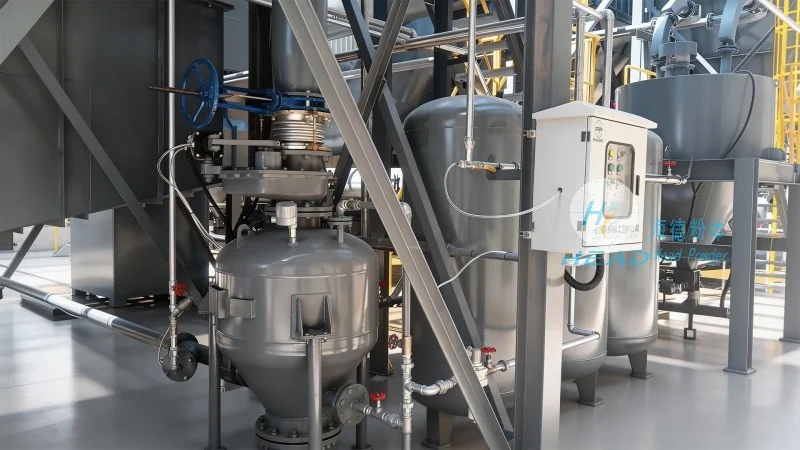
Conversely, the negative pressure conveying system operates by creating a vacuum in the conveying line, drawing coke particles into the system. This method is particularly suitable for long-distance transport or environments requiring sealed systems to control dust emissions. The negative pressure system uses a vacuum pump to generate suction, pulling material through ducts. This approach is effective for fine coke particles and can integrate with dust collection systems to maintain air quality.
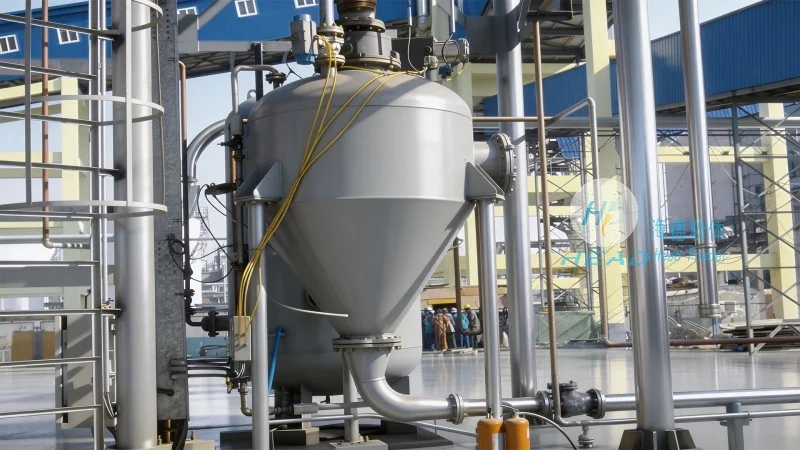
A hybrid conveying system combines elements of both positive and negative pressure methods, offering flexibility and enhanced performance. This system may use a combination of blowers and vacuum pumps to optimize the conveying process. For example, it can start with a positive pressure phase to accelerate material and then switch to a negative pressure phase to complete transport. The hybrid approach accommodates varying particle sizes and adapts to different operational conditions. This flexibility makes the hybrid system a popular choice for complex conveying tasks.
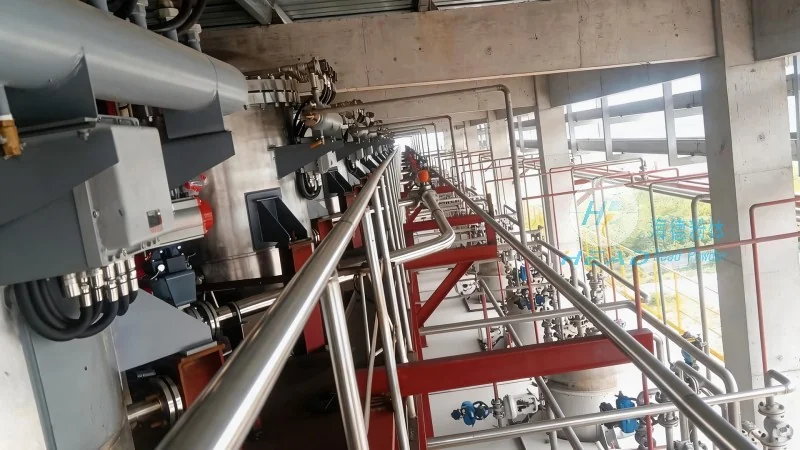
When selecting a pneumatic conveying solution for metallurgical coke, several factors must be evaluated. The first is the distance and layout of the conveying route, as this determines whether a positive, negative, or hybrid system is most appropriate. The second is the particle size and density of the coke, affecting air velocity and pressure requirements. Additionally, the need for dust control and environmental compliance is crucial, as metallurgical coke generates significant dust during handling. HeadPowder assesses these factors to design a system maximizing efficiency while minimizing operational costs and environmental impact.
Metallurgical coke pneumatic conveying solutions vary based on operational needs and environmental considerations. The positive pressure, negative pressure, and hybrid systems each offer unique advantages and are selected based on specific project requirements. Shandong HeadPowder Engineering Co., Ltd. leverages its expertise to provide customized solutions addressing the challenges of coke transportation, ensuring reliable and efficient material handling for steel and related industries.

 Shandong Headpowder Engineering Co., Ltd.
 156-6277-7102(Manager Zhang)
  0531-83386006
  Zhangqiu District, Jinan City, Shandong Province, China
telephone
WeChatconsult
top