

How to Design a Reasonable Polyester Fiber Pneumatic Conveying System Plan
For businesses in the material handling industry, selecting and designing an efficient pneumatic conveying system is crucial for optimizing production processes and ensuring product quality. Among the various materials, polyester fibers present unique challenges due to their lightweight, abrasive, and often hygroscopic nature. A well-designed polyester fiber pneumatic conveying system not only enhances operational efficiency but also extends the lifespan of equipment and reduces maintenance costs. This article outlines key considerations and steps for designing a reasonable polyester fiber pneumatic conveying system, with a focus on practical solutions tailored to industrial applications.
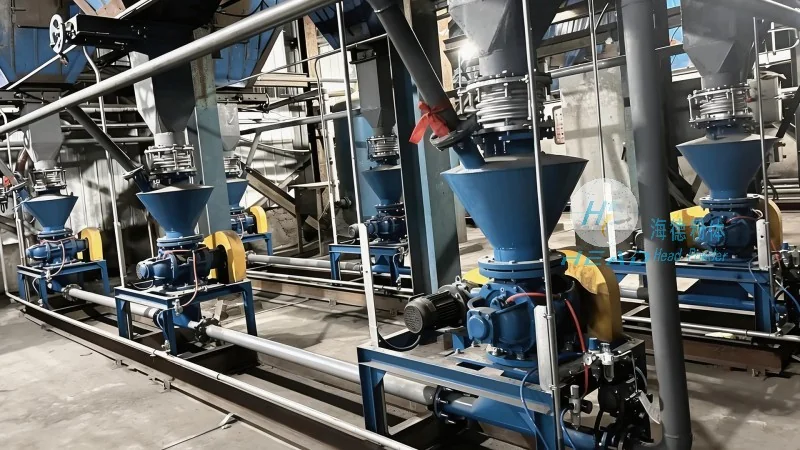
Understanding the Core Requirements of Polyester Fiber Pneumatic Conveying
Before diving into system design, it is essential to understand the specific characteristics of polyester fibers and the operational demands of the application. Polyester fibers are commonly used in textiles, filtration, and composite materials, and their handling requires specialized equipment to prevent breakage, static buildup, and contamination. The design of a pneumatic conveying system must address these challenges by selecting appropriate components, such as high-efficiency cyclones, flexible hoses, and controlled air flow systems. Additionally, the system should be designed to minimize fiber degradation, which can occur due to excessive friction or impact within the conveying line.
Key Factors in System Design for Polyester Fiber Conveying
Several critical factors must be considered when designing a polyester fiber pneumatic conveying system. First, the material's density and flowability are paramount. Polyester fibers typically have a low bulk density, which may require higher air velocities or larger duct sizes to ensure smooth transport. The system should also account for the fiber's tendency to cling to surfaces, necessitating the use of anti-static measures and smooth internal surfaces to prevent accumulation. Furthermore, the system must be equipped with filtration and separation components to prevent fiber buildup in the conveying line, which can lead to blockages and reduced efficiency.
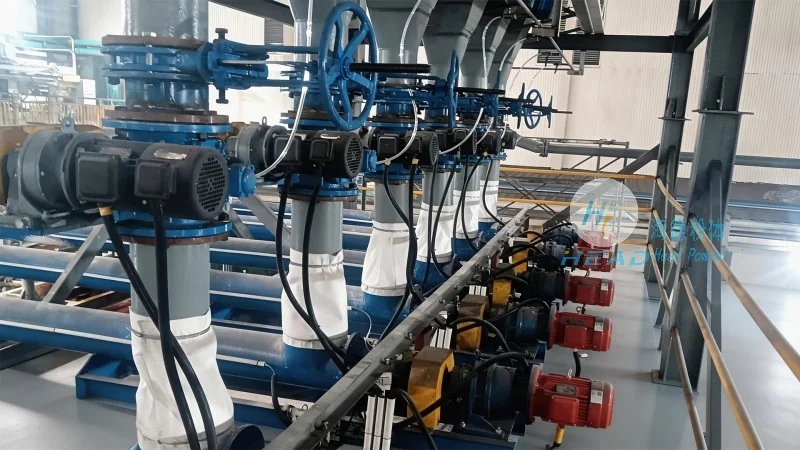
Component Selection and System Configuration
Component selection is a critical step in designing an effective polyester fiber pneumatic conveying system. The choice of material for the conveying line, such as stainless steel or food-grade plastic, depends on the application's requirements and the potential for contamination. High-quality flexible hoses with reinforced inner linings are recommended to handle the abrasive nature of polyester fibers without premature wear. Cyclones and dust collectors must be designed with larger diameters and lower operating speeds to prevent fiber breakage and ensure efficient separation. The air compressor and control system should be sized to provide consistent air pressure and flow, with features like variable frequency drives to adjust air volume based on material load.
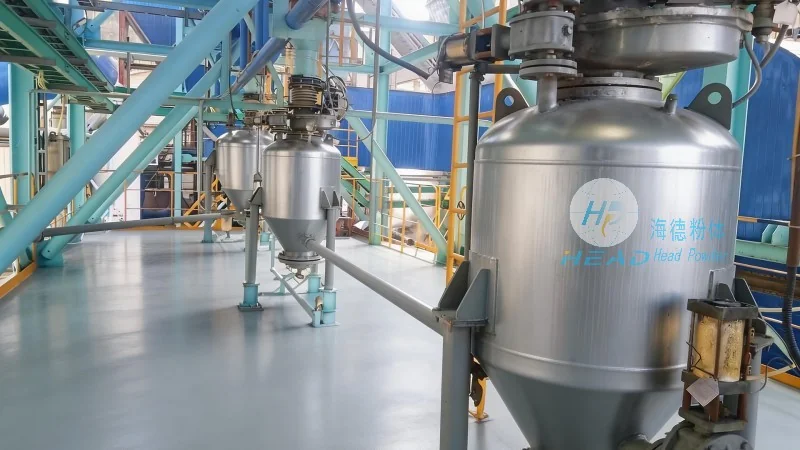
Integration of Control and Monitoring Systems
Modern pneumatic conveying systems benefit from advanced control and monitoring technologies that enhance operational reliability and reduce downtime. For polyester fiber applications, a system with real-time monitoring of air pressure, flow rate, and material level is essential. This allows operators to detect potential issues, such as blockages or pressure drops, before they escalate into equipment failures. Additionally, automated control systems can adjust air flow and conveying speed based on the material's characteristics, optimizing energy consumption and system performance. Integration with existing plant control systems ensures seamless operation and data integration for better process management.
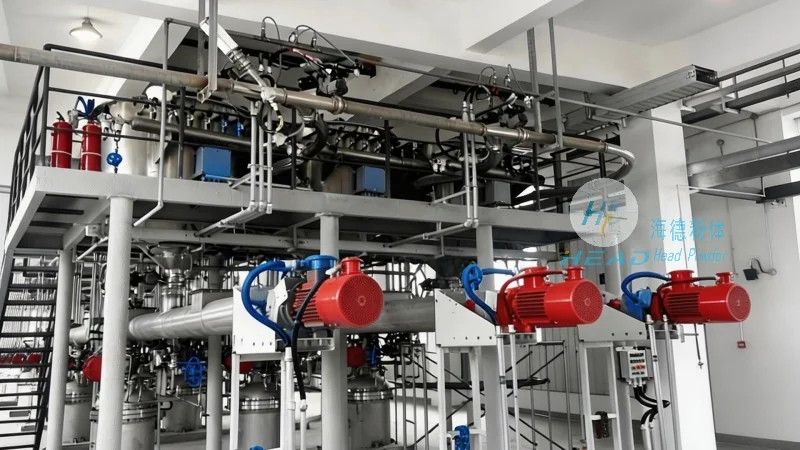
Maintenance and Operational Considerations
Proper maintenance is vital to the long-term performance of a polyester fiber pneumatic conveying system. Regular cleaning of cyclones, filters, and conveying lines is necessary to prevent fiber accumulation and maintain system efficiency. The use of lubricants and anti-static agents may be required to reduce friction and static buildup, which can affect material flow and equipment lifespan. Additionally, routine inspections of components, such as hoses and seals, should be conducted to identify wear and tear early. A well-planned maintenance schedule, combined with proper training for operators, ensures the system operates at peak efficiency and minimizes the risk of unexpected failures.
Case Study: Successful Implementation by Shandong HeadPowder Engineering Co., Ltd.
Shandong HeadPowder Engineering Co., Ltd., a leading provider of material handling solutions, has successfully designed and implemented polyester fiber pneumatic conveying systems for various industrial clients. One notable project involved a textile manufacturer that required a system to transport polyester fibers from storage silos to processing equipment. The HeadPowder team conducted a thorough analysis of the material's properties and operational requirements, resulting in a customized system that included high-efficiency cyclones, anti-static hoses, and automated control features. The system significantly improved the manufacturer's production efficiency, reduced fiber loss, and lowered maintenance costs by 20% compared to traditional conveying methods. This case study highlights the importance of tailored system design and expert engineering in achieving optimal performance for polyester fiber applications.