With more than 10‑year industry experience, Shandong Headpowder delivers full‑service pneumatic‑conveying systems and blowers, undertaking nationwide turn‑key powder‑handling projects.
Designing an efficient and reliable metal powder pneumatic conveying system is crucial for industries dealing with metallic powders, as it directly impacts production efficiency, material quality, and operational costs. A well-designed system ensures smooth material transport, minimizes product degradation, and enhances overall process stability. This article outlines key considerations and steps for developing a comprehensive plan for metal powder pneumatic conveying systems, with a focus on practical implementation and performance optimization.
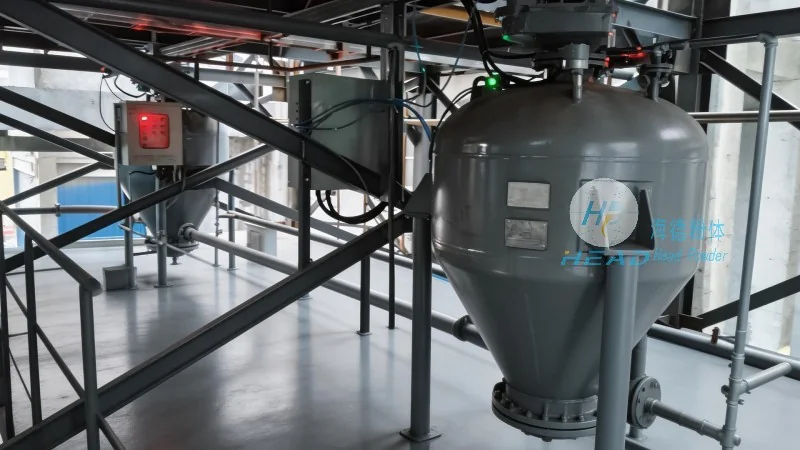
Before diving into system design, it's essential to grasp the fundamental principles of pneumatic conveying. This technology involves transporting bulk materials, such as metal powders, through a pipeline using air or gas as the conveying medium. The process can be categorized into two main types: pressure and vacuum systems. Pressure systems use compressed air to push material through the pipeline, while vacuum systems employ suction to draw material from the source. The choice between these systems depends on factors like material properties, distance, and system complexity. For metal powders, which often have specific handling requirements due to their reactivity or particle size distribution, selecting the appropriate system type is critical to avoid issues like caking, agglomeration, or material degradation.
Several key factors must be considered when designing a metal powder pneumatic conveying system. These include the physical properties of the metal powder, such as particle size, density, moisture content, and flowability. The particle size distribution is particularly important, as it affects the system's pressure drop and the risk of blockages. For example, fine powders may require higher air velocities to maintain flow, while larger particles might need lower velocities to prevent wear on system components. Additionally, the density and moisture content of the metal powder influence the required air volume and pressure to achieve efficient transport. Moisture can cause agglomeration, which can lead to system blockages and reduced conveying efficiency. Therefore, controlling moisture levels and ensuring proper drying of the metal powder before conveying is a critical step in system design.
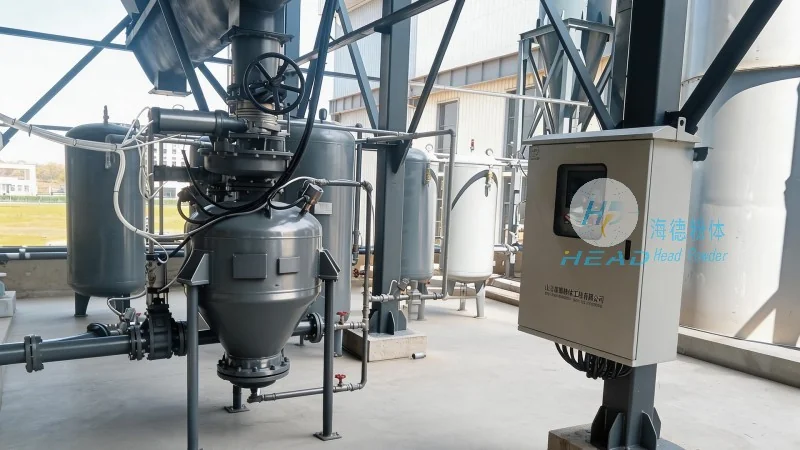
A metal powder pneumatic conveying system typically consists of several key components, each playing a vital role in the overall operation. The primary components include the material feed hopper, which holds the metal powder and provides a controlled feed rate; the air compressor or vacuum pump, which supplies the necessary air or gas to move the material; the conveying pipeline, which transports the material from the source to the destination; and the discharge equipment, such as a receiver or cyclone separator, which collects the material at the end of the pipeline. The material feed hopper is designed to prevent material bridging and ensure a consistent feed rate, which is crucial for maintaining system stability. The air compressor or vacuum pump must be sized appropriately to provide sufficient air volume and pressure to overcome the system's pressure drop and transport the metal powder efficiently. The conveying pipeline is usually made of materials resistant to corrosion and wear, such as stainless steel, to handle the abrasive nature of metal powders. The discharge equipment, such as a cyclone separator, is used to separate the metal powder from the air stream and collect it in a container, preventing dust emissions and ensuring material recovery.
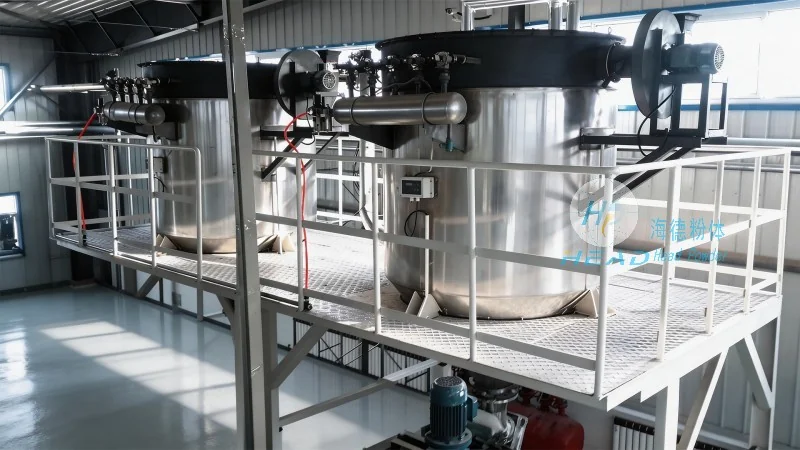
Efficiency and reliability are paramount when designing a metal powder pneumatic conveying system. The system's efficiency is determined by factors such as the pressure drop across the pipeline, the air velocity required to maintain flow, and the overall energy consumption. A well-designed system minimizes pressure drop by using smooth pipelines and appropriate fittings, reducing the energy required to transport the material. The air velocity must be optimized to prevent material deposition or blockages while ensuring efficient transport. For metal powders, which can be abrasive, the system components, especially the pipeline and fittings, must be made of materials that can withstand wear and corrosion. Regular maintenance is also essential to ensure system reliability, as components like the air compressor or vacuum pump may require periodic cleaning or replacement to maintain optimal performance. Additionally, monitoring system performance, such as pressure drop and material flow rate, can help identify potential issues early and prevent system failures.
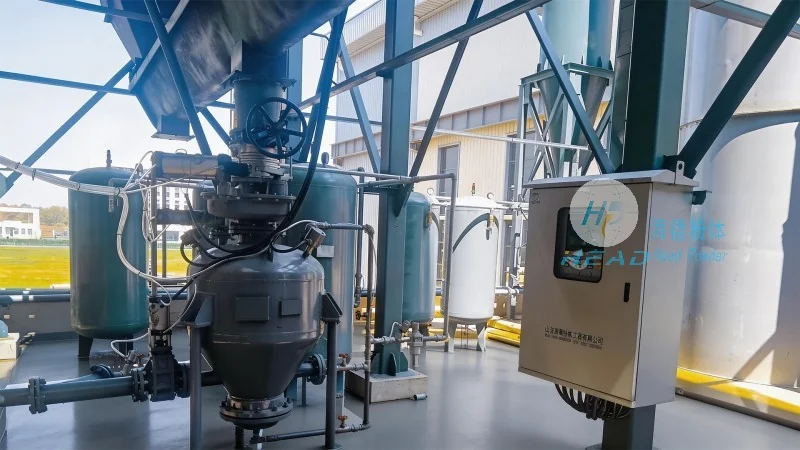
Shandong HeadPowder Engineering Co., Ltd., a leading provider of pneumatic conveying solutions, has successfully implemented numerous metal powder pneumatic conveying systems for various industries. One notable project involved designing a pressure system for transporting aluminum powder from a storage silo to a processing plant. The system was tailored to the specific properties of the aluminum powder, which is fine and has a tendency to agglomerate. The design included a hopper with a vibratory feeder to prevent material bridging, a high-pressure air compressor to ensure sufficient air velocity, and a stainless steel pipeline to handle the abrasive nature of the powder. The system was optimized to minimize pressure drop and energy consumption, resulting in a significant reduction in operational costs for the client. The success of this project highlights the importance of considering material properties and system components carefully when designing metal powder pneumatic conveying systems. By working with experienced engineers like those at Shandong HeadPowder, industries can develop systems that are efficient, reliable, and tailored to their specific needs.
Designing a reasonable metal powder pneumatic conveying system requires a systematic approach that considers the material properties, system components, and operational requirements. By understanding the core principles of pneumatic conveying, evaluating key factors such as particle size and moisture content, and selecting appropriate system components, industries can develop systems that are efficient, reliable, and cost-effective. The case study of Shandong HeadPowder Engineering Co., Ltd. demonstrates the practical application of these principles and the benefits of working with experienced engineering firms. Ultimately, a well-designed metal powder pneumatic conveying system not only improves production efficiency but also enhances product quality and operational safety. For industries dealing with metal powders, investing in a properly designed system is a critical step toward achieving long-term success and competitiveness.

 Shandong Headpowder Engineering Co., Ltd.
 156-6277-7102(Manager Zhang)
  0531-83386006
  Zhangqiu District, Jinan City, Shandong Province, China
telephone
WeChatconsult
top