With more than 10‑year industry experience, Shandong Headpowder delivers full‑service pneumatic‑conveying systems and blowers, undertaking nationwide turn‑key powder‑handling projects.
When it comes to handling and transporting magnesium oxide powder efficiently, selecting the right pneumatic conveying system is crucial. A well-designed system ensures minimal product degradation, optimal energy consumption, and reliable operation. This article outlines key considerations and steps for designing a rational magnesium oxide powder pneumatic conveying system, with insights from Shandong HeadPowder Engineering Co., Ltd., a leading provider in the field.
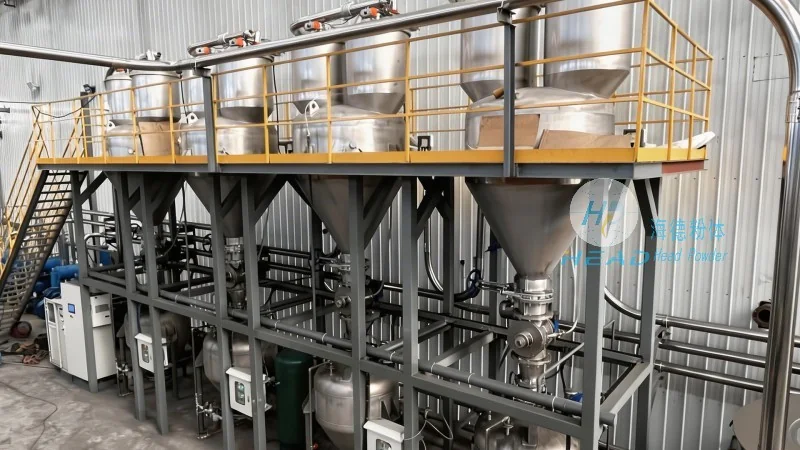
Before diving into system design, it's essential to assess the specific characteristics of magnesium oxide powder. This material, known for its fine particle size and potential for static charge accumulation, demands a conveying system that addresses these unique properties. The first step involves evaluating the powder's flowability, moisture content, and potential for agglomeration. These factors directly impact the choice of conveying method—whether it's a dilute phase, dense phase, or a hybrid system. For magnesium oxide powder, which often has a low bulk density and can be prone to caking, a system that maintains consistent air-to-solid ratios and provides adequate mixing is critical. Shandong HeadPowder Engineering Co., Ltd. emphasizes the importance of conducting thorough material testing to gather data on particle size distribution, density, and moisture levels. This data serves as the foundation for selecting the appropriate equipment and system configuration.
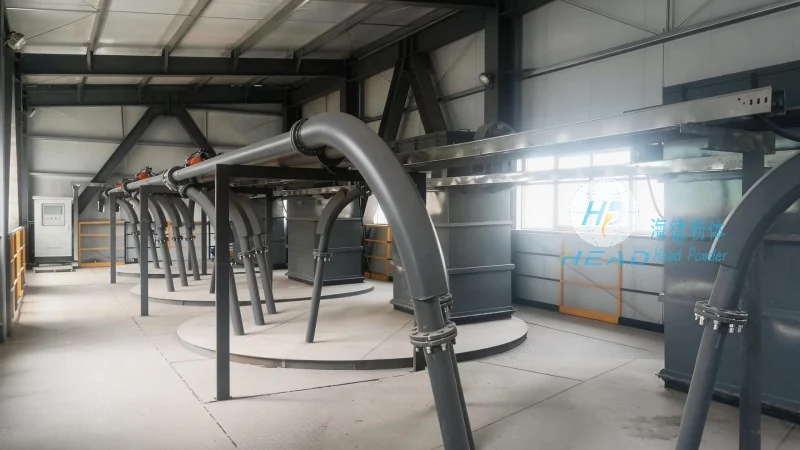
Several critical factors must be considered when designing a pneumatic conveying system for magnesium oxide powder. The system's capacity, which determines the flow rate of the material, is a primary consideration. This is influenced by the production scale and the required throughput. For instance, a small-scale operation might require a system with a capacity of a few tons per hour, while a large industrial plant could need a system capable of handling hundreds of tons daily. The choice of conveying line type—horizontal, vertical, or a combination—also plays a significant role. Horizontal lines are suitable for long-distance horizontal transport, while vertical lines are ideal for vertical lifting. In many cases, a mixed system is used to achieve both horizontal and vertical movement efficiently. Additionally, the selection of air source equipment, such as blowers or compressors, is vital. The power and pressure requirements of these components directly affect the system's energy efficiency and operational costs. Shandong HeadPowder Engineering Co., Ltd. recommends using high-efficiency blowers that can maintain stable air pressure and flow rates, ensuring consistent material transport without excessive energy consumption.
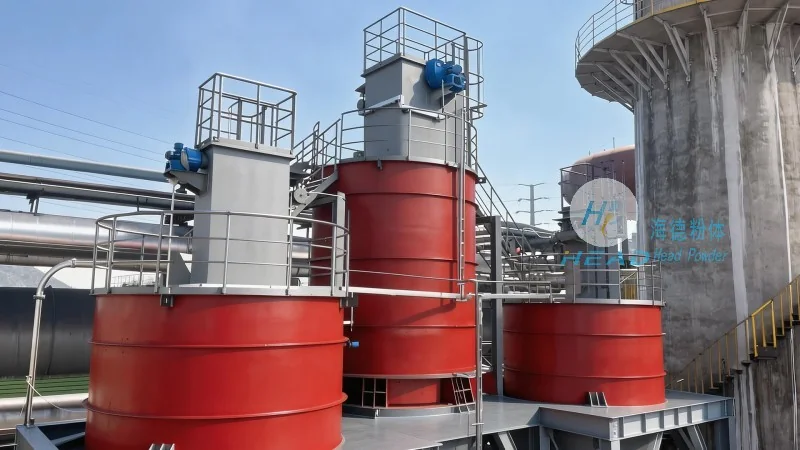
Choosing the right equipment is essential for the successful operation of a magnesium oxide powder pneumatic conveying system. The primary components include the material feeders, conveying lines, separation and collection devices, and air treatment systems. Material feeders, such as rotary valves or screw feeders, are used to introduce the powder into the conveying line. These devices must be designed to handle the powder's characteristics, preventing blockages and ensuring a steady flow. Conveying lines are typically made of stainless steel or other corrosion-resistant materials to withstand the abrasive nature of magnesium oxide powder. Vertical lines often incorporate special fittings, such as bends and elbows, to minimize pressure loss and maintain efficient flow. Separation and collection systems, including cyclones and filters, are crucial for removing the powder from the air stream and preventing dust emissions. These systems must be designed to handle the fine particles of magnesium oxide powder, ensuring high collection efficiency. Air treatment systems, such as dust collectors and filters, are used to clean the exhaust air and comply with environmental regulations. Shandong HeadPowder Engineering Co., Ltd. emphasizes the importance of selecting equipment that is compatible with the powder's properties, ensuring long-term reliability and minimal maintenance.
Integrating the pneumatic conveying system with the overall production process is a key step in achieving optimal performance. The system must be designed to work seamlessly with other equipment, such as storage silos, mixers, and processing units. This integration ensures smooth material flow from storage to processing, minimizing downtime and improving overall efficiency. Process optimization involves monitoring key parameters, such as air pressure, flow rate, and material temperature, to ensure the system operates within its optimal range. Regular maintenance and performance checks are also essential to identify and address any issues before they impact system performance. Shandong HeadPowder Engineering Co., Ltd. provides comprehensive support for system integration and optimization, offering expertise in process engineering and equipment selection to ensure the system meets the specific needs of the client.
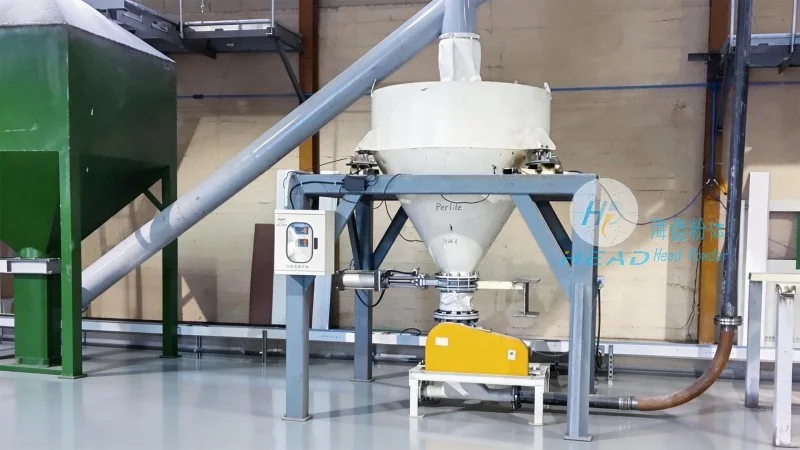
Designing a rational magnesium oxide powder pneumatic conveying system requires a thorough understanding of the material's properties and careful consideration of various design factors. By following a systematic approach, incorporating the right equipment, and optimizing the system's performance, businesses can achieve efficient and reliable transport of magnesium oxide powder. Shandong HeadPowder Engineering Co., Ltd. offers expert guidance and customized solutions to help clients design and implement effective pneumatic conveying systems, ensuring long-term success and operational efficiency. Whether you are setting up a new plant or upgrading an existing system, partnering with a reputable engineering company like Shandong HeadPowder Engineering Co., Ltd. can make a significant difference in the performance and reliability of your magnesium oxide powder handling operations.

 Shandong Headpowder Engineering Co., Ltd.
 156-6277-7102(Manager Zhang)
  0531-83386006
  Zhangqiu District, Jinan City, Shandong Province, China
telephone
WeChatconsult
top