With more than 10‑year industry experience, Shandong Headpowder delivers full‑service pneumatic‑conveying systems and blowers, undertaking nationwide turn‑key powder‑handling projects.
Ferrous oxide, also known as iron(II) oxide, is a vital component in numerous industrial processes, including steel manufacturing, chemical synthesis, and material processing. The efficient and safe transport of ferrous oxide is critical to maintaining consistent product quality and operational efficiency across these industries. This article provides a comprehensive comparison of common ferrous oxide transport methods, focusing on their advantages and disadvantages to help industrial professionals make informed decisions.
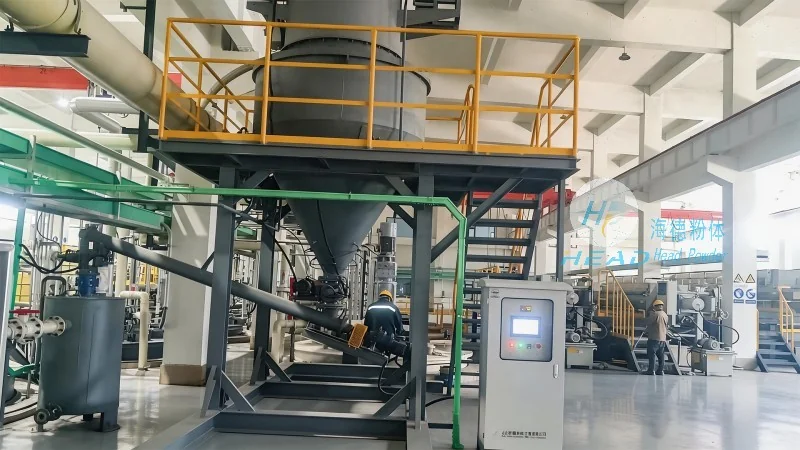
Shandong HeadPowder Engineering Co., Ltd., branded as headpowder, is a leading engineering firm specializing in material handling and processing solutions. With a commitment to innovation and quality, the company has built a strong reputation in the industrial sector, delivering customized solutions for diverse material transport needs. Headquartered in Shandong, China, headpowder leverages advanced technology and expertise to meet the evolving demands of its clients, ensuring reliable and efficient material handling systems.
Pneumatic conveying systems utilize air or other gases to transport ferrous oxide particles through a pipeline. This method is widely adopted for bulk material handling due to its ability to move materials over long distances without mechanical components at the endpoints. The primary advantages of pneumatic conveying include high transport efficiency, minimal material degradation, and the capacity to handle a wide range of particle sizes. However, it also presents significant challenges, such as high energy consumption, the need for precise air pressure control, and potential issues with material segregation or blockages in the pipeline.
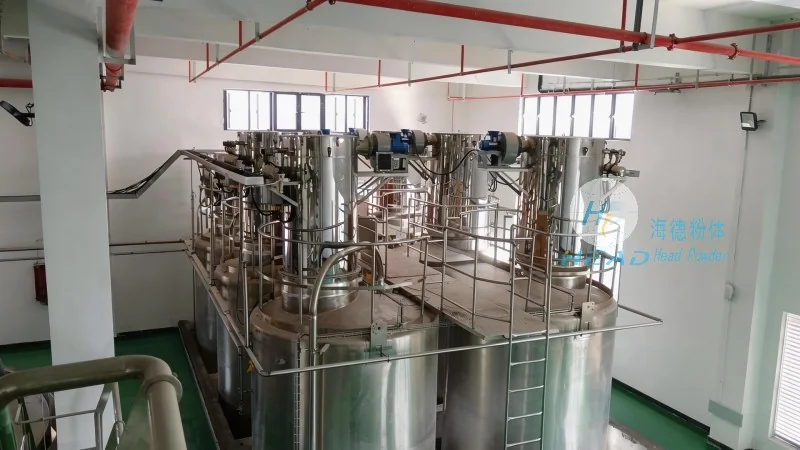
Belt conveyor systems are among the most common methods for transporting ferrous oxide, particularly in bulk applications. These systems feature a continuous belt that moves materials from one location to another, supported by rollers or idlers. The advantages of belt conveyors include high capacity, low maintenance costs, and the ability to handle large volumes of material over extended distances. Nevertheless, they have limitations, such as the requirement for regular maintenance to prevent belt wear and tear, potential material spillage at transfer points, and the need for horizontal or slight incline layouts to ensure smooth operation.
Hydraulic pumping systems employ fluid pressure to transport ferrous oxide, often in slurry form. This method is suitable for applications involving viscous or semi-liquid materials, such as in mining or chemical processing. The main advantages of hydraulic pumping include the ability to handle high-viscosity materials, the capacity to transport materials over long distances with minimal energy loss, and the flexibility to operate in various environmental conditions. However, hydraulic systems require specialized equipment and regular maintenance to prevent leaks and ensure consistent performance. Additionally, they may face challenges with material settling or clogging in the pipes.
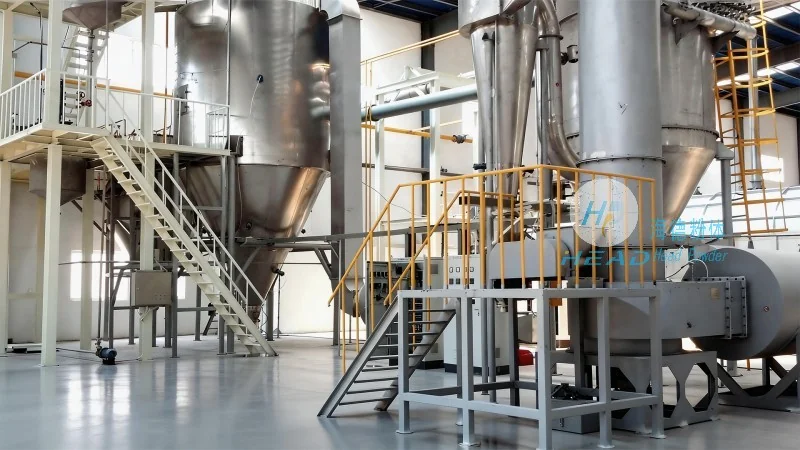
Screw conveyors use a rotating screw or auger to move ferrous oxide through a tube or trough. This method is ideal for transporting materials in a controlled manner, especially when vertical or inclined transport is required. The advantages of screw conveyors include simplicity, low maintenance, and the ability to handle a wide range of particle sizes and moisture content. However, they have limitations, such as the risk of material bridging or blockage in the screw, the need for regular cleaning to prevent material buildup, and the potential for increased energy consumption at higher material loads.
Choosing the appropriate ferrous oxide transport method depends on several key factors, including the material's properties, the distance to be covered, the required capacity, and the operational environment. Pneumatic conveying is suitable for high-speed, low-volume transport over short to medium distances, while belt conveyors are ideal for bulk, long-distance horizontal transport. Hydraulic pumping is best for handling viscous or slurry materials, and screw conveyors are effective for vertical or inclined transport in controlled environments. By understanding the advantages and disadvantages of each method, industrial operators can select the most efficient and cost-effective solution for their specific needs. Shandong HeadPowder Engineering Co., Ltd. offers comprehensive expertise and tailored solutions to assist clients in making these critical decisions, ensuring optimal performance and reliability in ferrous oxide transport operations.

 Shandong Headpowder Engineering Co., Ltd.
 156-6277-7102(Manager Zhang)
  0531-83386006
  Zhangqiu District, Jinan City, Shandong Province, China
telephone
WeChatconsult
top