With more than 10‑year industry experience, Shandong Headpowder delivers full‑service pneumatic‑conveying systems and blowers, undertaking nationwide turn‑key powder‑handling projects.
Warehouse vacuum conveying systems are critical components in modern material handling, particularly in environments like warehouses where efficient and safe material transport is essential. These systems utilize vacuum technology to move powders, granules, and other bulk materials from one location to another, offering a flexible and reliable solution for various industrial applications.
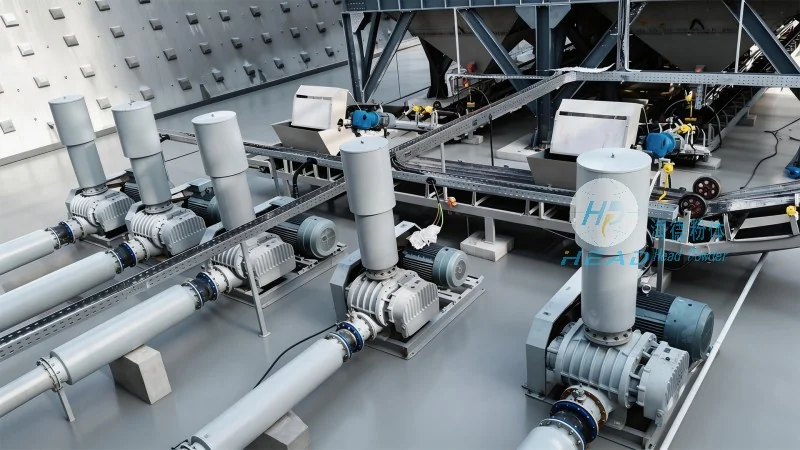
At the core of warehouse operations, vacuum conveying systems play a pivotal role in enhancing productivity and safety. Unlike traditional methods such as pneumatic or mechanical conveyors, vacuum systems operate by creating a negative pressure environment that draws materials into a transport line. This approach minimizes material degradation, reduces contamination risks, and allows for precise control over the conveying process. The systems are particularly well-suited for handling sensitive materials like powders, which can be easily damaged or contaminated by conventional conveying methods.
Understanding the structure of a warehouse vacuum conveying system is essential for appreciating its functionality. The system typically consists of several key components, each working in tandem to ensure efficient material transport. The main components include the vacuum pump, which generates the necessary suction force; the material feed hopper, where the bulk material is loaded; the transport line, which carries the material from the source to the destination; and the discharge valve or container, where the material is deposited. Additionally, many systems incorporate a filter or dust collection unit to maintain air quality and prevent material loss.
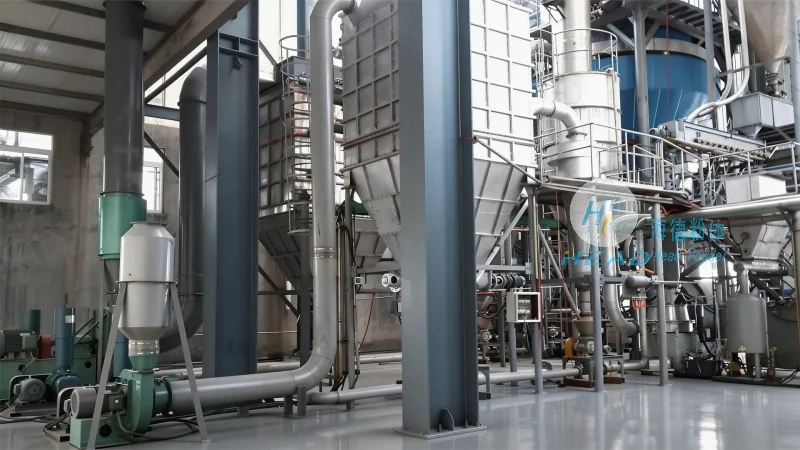
The operation of a warehouse vacuum conveying system is based on the principles of fluid dynamics and pressure differentials. When the vacuum pump is activated, it reduces the pressure inside the transport line, creating a vacuum. This negative pressure draws the material from the feed hopper into the line. The material is then carried through the line by the airflow generated by the pump. As the material moves, it is separated from the air and collected at the discharge point. The system can be configured in various ways, such as single-stage or multi-stage, depending on the distance and material characteristics.
Implementing a vacuum conveying system in a warehouse offers numerous advantages over traditional conveying methods. One of the primary benefits is the ability to handle a wide range of materials, including fine powders and abrasive granules, without causing damage or contamination. The systems are also highly flexible, allowing for easy reconfiguration to accommodate changes in production processes or material types. Additionally, vacuum conveying is energy-efficient compared to other methods, as it requires less power to operate. The reduced noise levels and minimal maintenance requirements further enhance the appeal of these systems for warehouse environments.
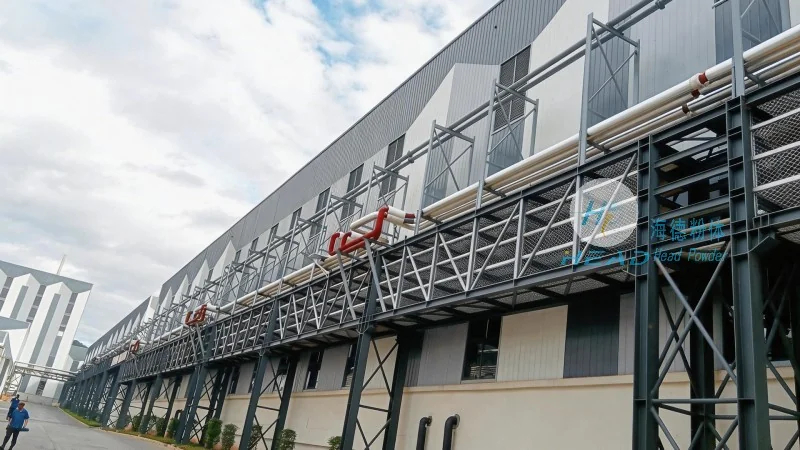
Vacuum conveying systems are widely used in various warehouse applications, including pharmaceuticals, food processing, and chemical manufacturing. For instance, in a pharmaceutical warehouse, these systems are used to transport sensitive powders and granules, ensuring they remain sterile and uncontaminated. In food processing facilities, vacuum conveyors are employed to handle ingredients like flour and sugar, maintaining their quality and preventing cross-contamination. Chemical warehouses also benefit from vacuum systems, as they can safely transport hazardous powders and chemicals without the risk of explosion or contamination.
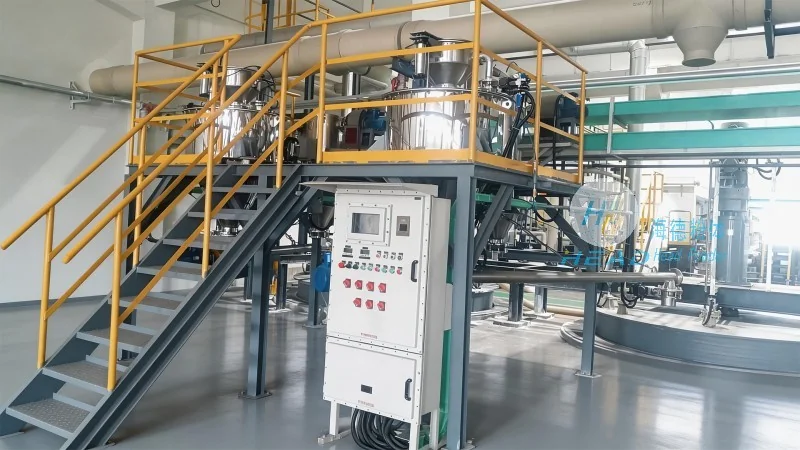
Shandong HeadPowder Engineering Co., Ltd., a leading provider of material handling solutions, offers customized vacuum conveying systems tailored to the specific needs of warehouses. The company’s expertise lies in designing and manufacturing systems that integrate seamlessly with existing warehouse infrastructure. By working closely with clients, HeadPowder engineers can develop solutions that optimize material flow, reduce downtime, and improve overall operational efficiency. The company’s commitment to quality and innovation ensures that their vacuum conveying systems meet the highest standards of performance and reliability.
Warehouse vacuum conveying systems represent a significant advancement in material handling technology, offering a reliable and efficient solution for transporting bulk materials in warehouse environments. By leveraging vacuum technology, these systems provide a safe, clean, and flexible method for handling a wide range of materials. As warehouses continue to evolve and demand higher efficiency, the importance of vacuum conveying systems will only grow. With its extensive experience and commitment to excellence, Shandong HeadPowder Engineering Co., Ltd. remains at the forefront of providing advanced material handling solutions that meet the evolving needs of modern warehousing.

 Shandong Headpowder Engineering Co., Ltd.
 156-6277-7102(Manager Zhang)
  0531-83386006
  Zhangqiu District, Jinan City, Shandong Province, China
telephone
WeChatconsult
top