With more than 10‑year industry experience, Shandong Headpowder delivers full‑service pneumatic‑conveying systems and blowers, undertaking nationwide turn‑key powder‑handling projects.
HeadPowder, a leading engineering company based in Shandong, China, specializes in the design, manufacturing, and installation of advanced pneumatic conveying systems for various industrial applications. This article provides a detailed overview of the operation process and working principle of a polyethylene powder material pneumatic conveying line, highlighting the key components, operational steps, and technical aspects that ensure efficient and reliable material transport.
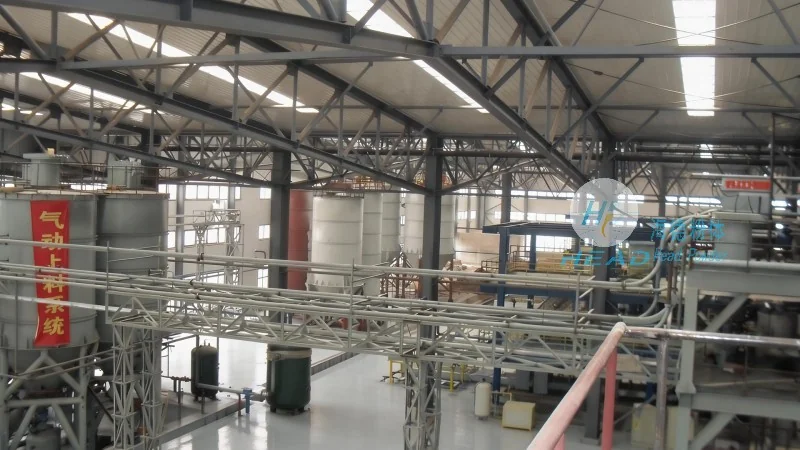
Polyethylene powder, widely used in plastic manufacturing, pharmaceuticals, and other industries, requires specialized handling due to its fine particle size and potential for dust accumulation. Pneumatic conveying systems offer an effective solution by transporting powders through a pressurized or vacuum environment using air or other gases. The system from HeadPowder Engineering Co., Ltd. is engineered to handle polyethylene powder with precision, ensuring minimal product degradation and optimal operational efficiency.
The polyethylene powder pneumatic conveying line consists of several critical components that work in tandem to facilitate material transport. These include the hopper for material storage, a feeder to control the flow rate, a conveying pipeline, a filter system to capture dust, and a receiver for the discharged material. Each component is designed to meet the specific requirements of polyethylene powder, ensuring durability and compatibility with the material's properties.
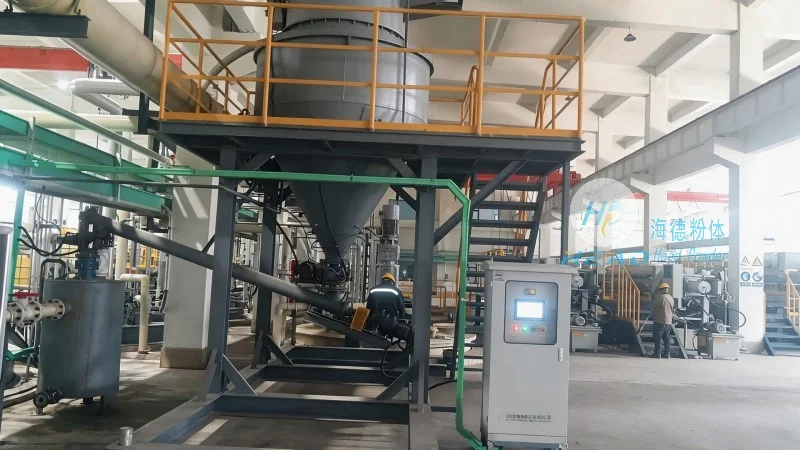
The operation of the polyethylene powder pneumatic conveying line is based on the principle of air movement to transport solid particles. In a typical system, the polyethylene powder is fed from the hopper into the conveying pipeline through a feeder. The feeder regulates the flow rate to maintain a consistent material supply. Simultaneously, a blower or compressor generates the necessary air pressure or vacuum to move the powder through the pipeline. The air and powder mixture travels through the pipeline, with the filter system capturing any fine particles to prevent contamination and ensure environmental compliance. The material is then discharged into the receiver, completing the transport process.
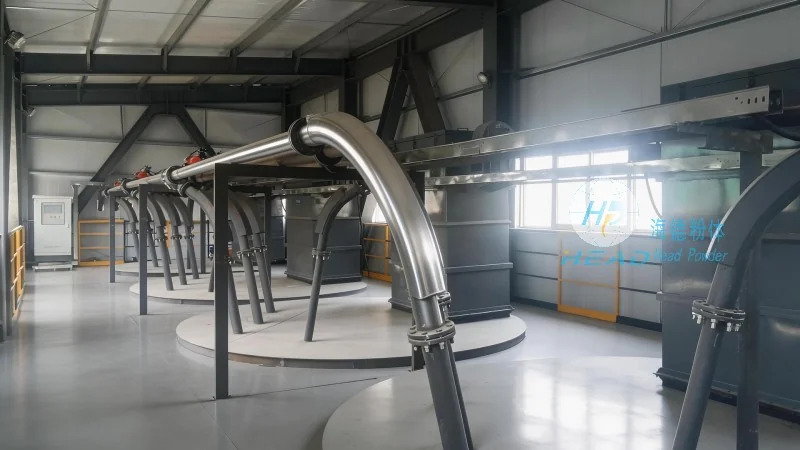
The operation process of the polyethylene powder pneumatic conveying line involves several sequential steps that ensure smooth and continuous material transport. Initially, the hopper is filled with polyethylene powder, and the system is prepared for operation. The feeder is activated to control the flow rate, and the blower is started to generate the required air pressure. As the powder is fed into the pipeline, it is carried by the air flow, moving from the inlet to the outlet. The filter system continuously monitors and captures any dust particles, maintaining a clean and safe operation environment. The receiver collects the transported powder, and the system continues to operate until the hopper is emptied or the required amount of material has been transferred. The process is automated to minimize human intervention, enhancing operational efficiency and reducing the risk of errors.
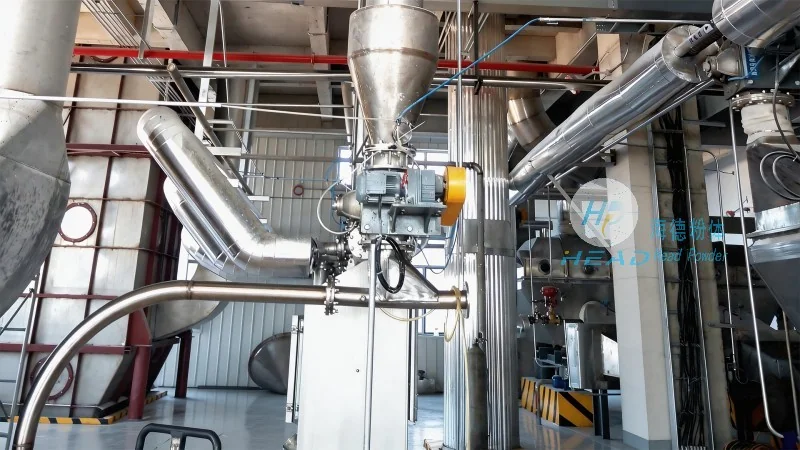
Implementing a polyethylene powder pneumatic conveying line offers several advantages over traditional material handling methods. These include reduced product contamination due to enclosed systems, lower labor costs as the process is automated, and improved safety by minimizing dust exposure. Additionally, the system allows for flexible material transport, enabling the movement of polyethylene powder between different locations within a facility without the need for manual handling. The efficiency of the system also contributes to increased production throughput, making it a valuable asset for industrial operations.
To ensure the long-term performance and reliability of the polyethylene powder pneumatic conveying line, regular maintenance is essential. This includes cleaning the filter system to prevent clogging, inspecting the feeder and pipeline for wear and tear, and checking the blower or compressor for optimal performance. Proper maintenance helps to extend the lifespan of the equipment and maintain consistent operational efficiency. Additionally, operators should follow the manufacturer's guidelines for material handling and system operation to avoid issues such as blockages or system failures. By adhering to these practices, the polyethylene powder pneumatic conveying line can operate effectively and reliably, meeting the demands of industrial applications.

 Shandong Headpowder Engineering Co., Ltd.
 156-6277-7102(Manager Zhang)
  0531-83386006
  Zhangqiu District, Jinan City, Shandong Province, China
telephone
WeChatconsult
top