

Operating Process and Working Principle of Pneumatic Conveying for Food Additive Materials
Understanding the operational dynamics and working principles of pneumatic conveying systems is crucial for industries dealing with food additive materials. These systems offer efficient, hygienic, and reliable methods for transporting bulk materials, ensuring compliance with stringent food safety regulations. This article delves into the step-by-step process of how pneumatic conveying operates and the underlying principles that make it an ideal solution for handling food additives.
Introduction to Pneumatic Conveying Systems
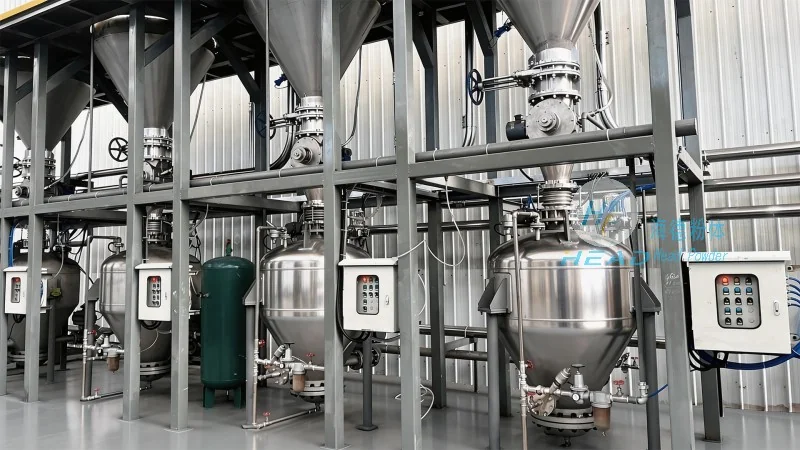
Pneumatic conveying, also known as pneumatic transport, is a technology that uses pressurized air or vacuum to move bulk materials through a pipeline. In the context of food additive industries, this method is particularly valuable due to its ability to maintain product integrity, prevent contamination, and minimize human exposure to powders. The system typically consists of a source of material, a conveying line, and a receiver, all connected by a network of pipes and valves. The choice of system type—such as pressure or vacuum conveying—depends on factors like material properties, distance, and desired flow rates.
Key Components of a Pneumatic Conveying System
At the core of any pneumatic conveying system are several essential components that work in tandem to ensure smooth material transport. These include the material feed hopper, which holds the food additive powder and regulates its flow into the system; the air compressor or vacuum pump, which provides the necessary pressure or suction to move the material; the conveying line, which is usually made of stainless steel to meet hygiene standards; and the receiver, where the material is deposited. Additionally, components like rotary valves, filters, and pressure regulators are integral to controlling the flow and maintaining system efficiency.
The Operating Process of Pneumatic Conveying for Food Additives
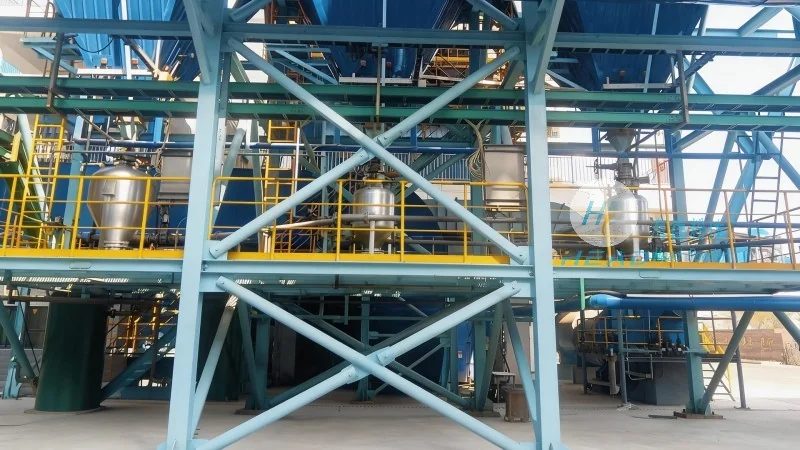
The operation of a pneumatic conveying system for food additives involves a sequence of steps designed to move the material from the source to the destination. Initially, the food additive powder is fed into the hopper from a storage silo or bag. The rotary valve then controls the discharge of the material into the conveying line. Simultaneously, the air compressor generates pressurized air, which is introduced into the line at a specific point. As the air flows through the pipe, it creates a flow of material, transporting it to the receiver. The receiver, often equipped with a dust collection system, collects the material and may include a discharge valve to release it when needed. Throughout this process, the system maintains a consistent pressure and flow rate, ensuring that the food additive remains in a controlled environment, free from contamination.
Working Principles: How Pneumatic Conveying Works
The working principle of pneumatic conveying relies on the interaction between the material particles and the air stream. In pressure conveying, the air is forced through the material, creating a slurry-like mixture that moves through the pipeline. The air velocity must be sufficient to overcome the gravitational and frictional forces acting on the particles, ensuring they remain suspended and transported efficiently. In vacuum conveying, a vacuum is created at the receiver end, drawing the material through the line by suction. The air flow rate and pressure are carefully controlled to maintain a stable flow, preventing blockages or material degradation. For food additive materials, which are often fine powders, the system must be designed to handle low bulk densities and prevent agglomeration, which could lead to clogging or uneven flow.
Advantages of Pneumatic Conveying for Food Additive Handling
Implementing pneumatic conveying systems for food additive materials offers several advantages that make it a preferred choice in the industry. First, it provides a hygienic and closed system, reducing the risk of cross-contamination and exposure to airborne particles. The stainless steel construction and sealed components ensure that the material remains clean and free from external contaminants. Second, the system is highly efficient, allowing for continuous and automated material transport, which improves production throughput and reduces labor costs. Third, it offers flexibility in terms of material handling, as it can transport materials over long distances and through complex layouts without the need for multiple transfer points. Finally, the system is easy to integrate with existing production lines, making it a cost-effective solution for upgrading or expanding food additive processing facilities.
Considerations for Designing Pneumatic Conveying Systems for Food Additives
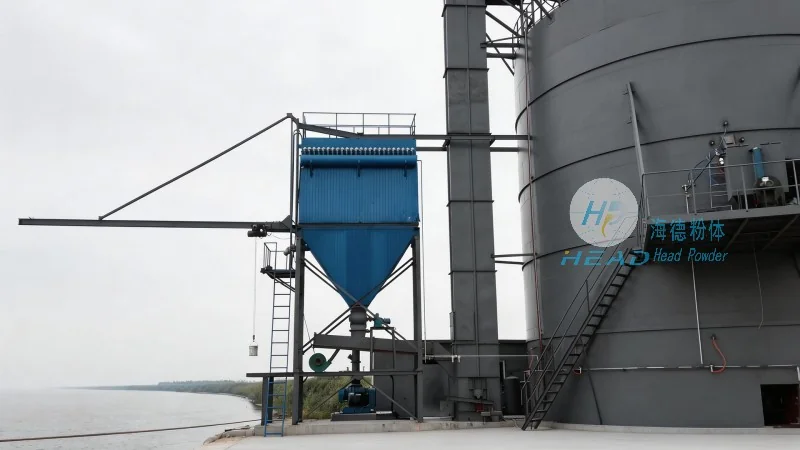
When designing a pneumatic conveying system for food additive materials, several factors must be considered to ensure optimal performance and compliance with regulations. The first consideration is the material properties, such as particle size, density, and flowability. Fine powders may require higher air velocities and more robust equipment to prevent clogging. The system must also be designed to handle variations in material characteristics, such as moisture content or agglomerates, which could affect flow. Second, the system must meet strict hygiene standards, including easy cleaning and maintenance, as well as compliance with food safety regulations like FDA guidelines. This often involves using CIP (Clean-In-Place) systems and stainless steel components. Third, the system should be energy-efficient, with the air compressor or vacuum pump sized appropriately to minimize operational costs. Finally, the system should be scalable, allowing for future expansion as production needs grow.
Conclusion: The Role of Pneumatic Conveying in Food Additive Industries
In conclusion, pneumatic conveying systems play a vital role in the efficient and safe handling of food additive materials. By understanding the operating process and working principles, industries can leverage this technology to improve productivity, maintain product quality, and ensure compliance with regulatory standards. The systems offered by Shandong HeadPowder Engineering Co., Ltd., based in China, are designed to meet the specific needs of food additive manufacturers, providing reliable, hygienic, and efficient solutions for material transport. With their expertise in engineering and adherence to industry standards, these systems contribute to the overall success of food additive processing operations.