With more than 10‑year industry experience, Shandong Headpowder delivers full‑service pneumatic‑conveying systems and blowers, undertaking nationwide turn‑key powder‑handling projects.
Understanding the operation process and working principle of pneumatic conveying for Lithium Nickel Cobalt Aluminum Oxide (NCA) material is crucial for optimizing material handling efficiency in industrial applications. This article provides a detailed overview of the key aspects involved in the pneumatic conveying system, focusing on the technical aspects and operational considerations.
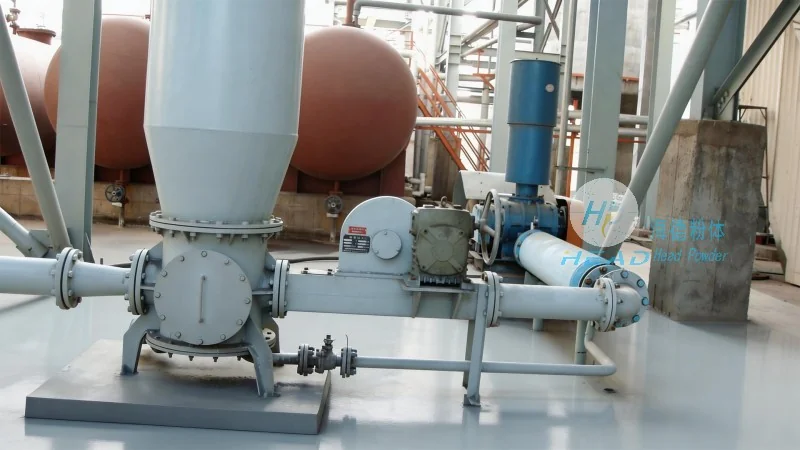
HeadPowder, a leading provider in the field, specializes in engineering solutions tailored to the unique characteristics of NCA materials. With a strong presence in Shandong, China, the company leverages advanced technology and expertise to deliver reliable pneumatic conveying systems that meet the demands of modern material processing industries.
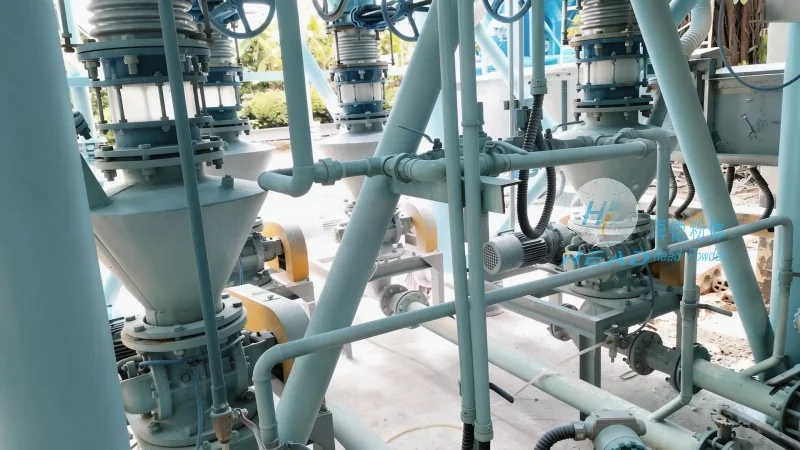
The pneumatic conveying operation for NCA material typically involves several key steps. The process begins with the loading of the NCA material into a hopper or feeder. From there, the material is fed into a conveying line using a positive pressure or negative pressure system. The positive pressure system, often referred to as pressure pneumatic conveying, uses a blower or compressor to generate air pressure that propels the material through the pipeline. In contrast, the negative pressure system, or vacuum pneumatic conveying, creates a vacuum to draw the material into the line. The choice between these systems depends on factors such as material properties, distance, and system design requirements. Once the material is in the pipeline, it travels to the discharge point, where it is collected in a receiving hopper or storage container. The entire process is controlled by a series of valves, sensors, and control systems that ensure smooth and efficient material flow.
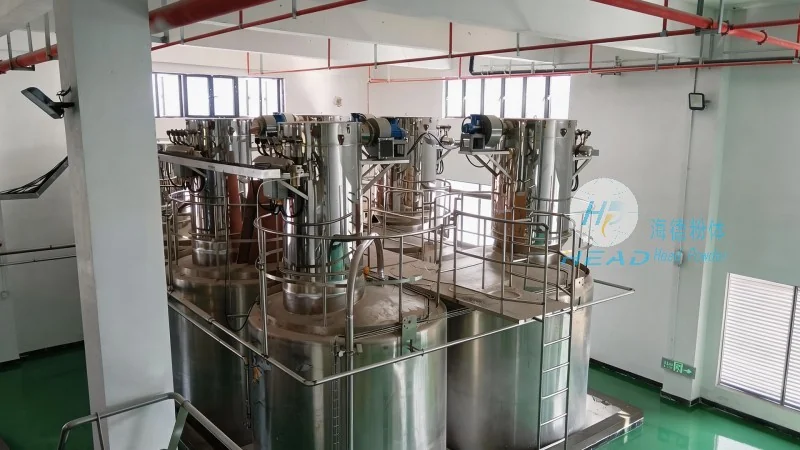
The working principle of pneumatic conveying for NCA material revolves around the interaction between the material particles and the conveying air. In a positive pressure system, the air is forced through the material, creating a mixture of air and particles. The air velocity must be sufficient to overcome the gravitational and frictional forces acting on the particles, ensuring they remain suspended and move through the pipeline. The design of the conveying line, including the diameter, length, and bends, is critical to maintaining the air velocity and preventing material settling or blockages. For NCA material, which is often fine and abrasive, the system must be designed to minimize wear and ensure consistent flow. The negative pressure system operates on the principle of suction, where the vacuum pulls the material and air into the line. This method is particularly useful for applications where the material needs to be transported from a lower elevation to a higher one or when the material is sensitive to pressure changes. The control of the vacuum level and the speed of the material feed are essential to prevent clogging and ensure stable operation.
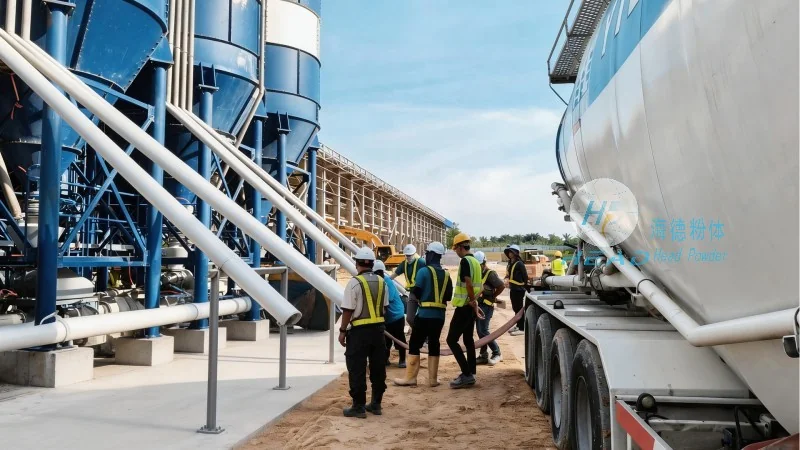
When implementing a pneumatic conveying system for NCA material, several factors must be considered to ensure optimal performance. First, the material's physical properties, such as particle size, density, and moisture content, significantly impact the system design. NCA material is typically fine and can be prone to static electricity, which may affect flow and cause material buildup. Therefore, anti-static measures and appropriate material handling techniques are necessary. Second, the system's capacity and the required conveying distance must be accurately determined to select the appropriate equipment, such as blowers, filters, and pipelines. Third, the maintenance and cleaning of the system are critical to prevent material accumulation and ensure long-term reliability. Regular inspections and cleaning of the conveying line, hopper, and filters are essential to maintain system efficiency and prevent downtime. Finally, the integration of the pneumatic conveying system with other processing equipment, such as mixing or packaging units, must be considered to ensure seamless operation and minimize material loss.

 Shandong Headpowder Engineering Co., Ltd.
 156-6277-7102(Manager Zhang)
  0531-83386006
  Zhangqiu District, Jinan City, Shandong Province, China
telephone
WeChatconsult
top