With more than 10‑year industry experience, Shandong Headpowder delivers full‑service pneumatic‑conveying systems and blowers, undertaking nationwide turn‑key powder‑handling projects.
Efficient material handling is a critical aspect of modern industrial operations, particularly in the processing of bulk materials like sweet potato starch. Pneumatic conveying systems offer a reliable and flexible solution for transporting these materials from one location to another within a processing facility. This article provides an in-depth look at the operation process and working principle of pneumatic conveying systems specifically designed for sweet potato starch materials, highlighting the key components, operational steps, and the technological advantages that make such systems effective in the starch industry.
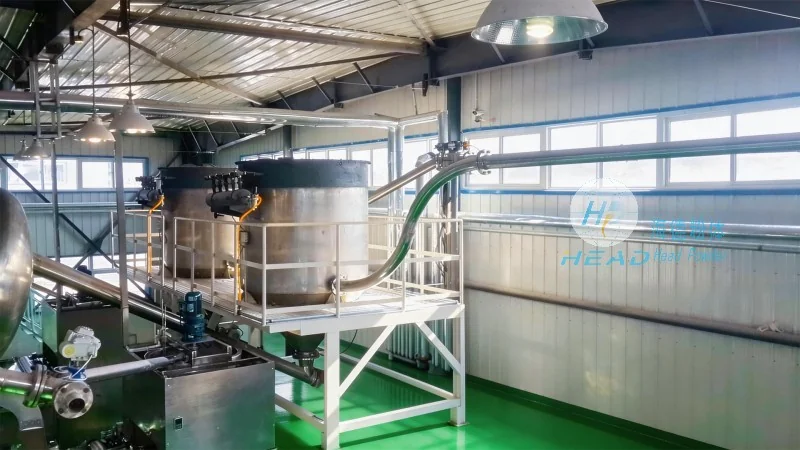
Pneumatic conveying systems utilize air or gas as the conveying medium to transport solid materials through a pipeline network. In the context of sweet potato starch processing, these systems are engineered to handle the unique characteristics of starch powders, including their fine particle size, hygroscopic nature, and potential for dust generation. The primary goal is to achieve safe, efficient, and cost-effective material transport while maintaining product quality and minimizing operational disruptions.
The pneumatic conveying system for sweet potato starch typically consists of several essential components that work in tandem to facilitate material transport. These components include a material feed hopper, a rotary airlock valve, a conveying pipeline, a dust collector or filter system, and a discharge hopper or silo. Each component plays a crucial role in the overall operation of the system:
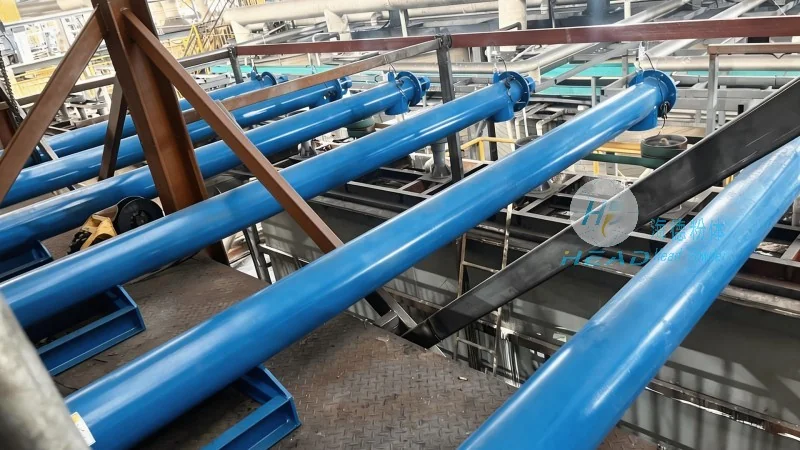
The operation of the pneumatic conveying system for sweet potato starch involves a series of sequential steps that ensure smooth and continuous material transport. The process typically begins with the loading of the feed hopper with fresh sweet potato starch. Once the hopper is filled, the system is activated by starting the air compressor, which generates the necessary airflow to move the material through the pipeline.
As the air compressor operates, the rotary airlock valve opens, allowing the starch to be drawn into the conveying pipeline. The air and starch mixture travels through the pipeline at high velocity, with the air providing the necessary force to lift and transport the starch particles. The system is designed to maintain a consistent air pressure and flow rate to ensure that the starch moves efficiently without clogging or excessive pressure buildup.
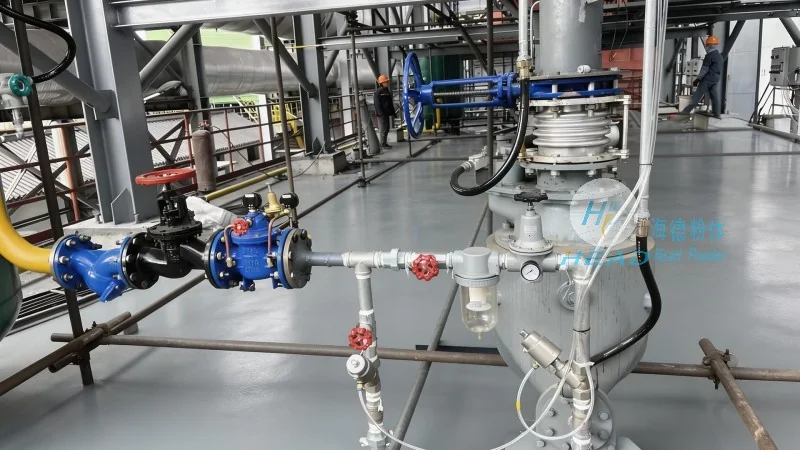
During the conveying process, the dust collector continuously captures any airborne starch particles, preventing them from escaping into the environment and ensuring compliance with environmental regulations. The collected dust is then returned to the feed hopper or disposed of according to the facility's waste management procedures.
The material reaches the discharge hopper or silo at the end of the pipeline, where it is collected and prepared for the next stage of processing. The system then cycles back to the initial state, ready to repeat the process as more starch is fed into the hopper.

 Shandong Headpowder Engineering Co., Ltd.
 156-6277-7102(Manager Zhang)
  0531-83386006
  Zhangqiu District, Jinan City, Shandong Province, China
telephone
WeChatconsult
top