With more than 10‑year industry experience, Shandong Headpowder delivers full‑service pneumatic‑conveying systems and blowers, undertaking nationwide turn‑key powder‑handling projects.
Shandong HeadPowder Engineering Co., Ltd., commonly known as headpowder, is a professional enterprise specializing in the research, development, and application of air-driven conveying systems. With its headquarters located in Shandong, China, the company has been committed to providing efficient and reliable solutions for material handling, particularly for powders like zinc oxide. HeadPowder leverages advanced engineering principles and industry experience to design and implement tailored air conveying solutions that meet the specific needs of various industrial applications.
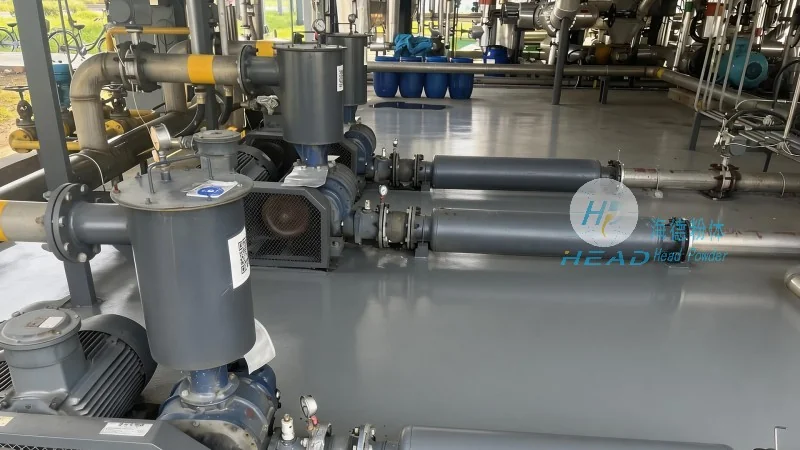
Air-driven conveying, also known as pneumatic conveying, is a method of transporting bulk materials, such as powders and granules, using a stream of air. This technology offers several advantages over traditional mechanical conveying systems, including reduced equipment wear, lower maintenance costs, and the ability to handle materials in a dust-free environment. For zinc oxide powder, a common industrial material used in pharmaceuticals, ceramics, and rubber industries, air-driven conveying is particularly effective due to the material's fine particle size and sensitivity to moisture and contamination.
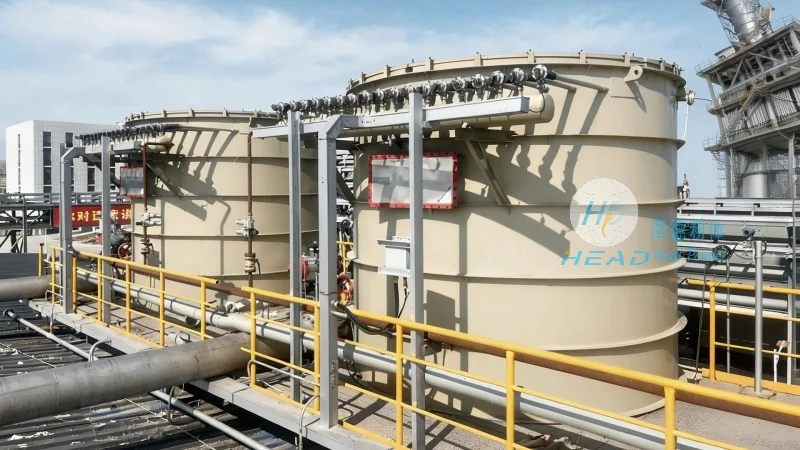
The operation process of air-driven conveying for zinc oxide powder involves several key steps. First, the zinc oxide powder is fed into a hopper or storage silo. From there, the material is drawn into the conveying line by a vacuum or pressure system, depending on the specific design. The conveying line typically consists of a series of pipes, valves, and filters that ensure the material is transported efficiently and without blockages. The process begins with the initiation of the air flow, which creates a negative pressure (in vacuum systems) or positive pressure (in pressure systems) to pull the powder into the line. As the powder travels through the pipes, it is mixed with the air stream, forming a suspension that moves towards the destination point, such as a processing plant or storage facility. The system is designed to maintain consistent flow rates and particle distribution, ensuring that the zinc oxide powder reaches its destination with minimal loss or degradation.
The working principle of air-driven conveying for zinc oxide powder is based on the interaction between the material particles and the air stream. In vacuum systems, a fan or vacuum pump creates a low-pressure environment that draws the powder from the source into the conveying line. The air flow velocity is carefully controlled to ensure that the powder particles are entrained without causing excessive wear or degradation. The conveying line is typically equipped with filters and cyclones to separate the powder from the air at the destination, allowing the powder to be collected in a clean and dry state. In pressure systems, compressed air is used to push the powder through the pipes, with the air flow velocity maintained at a level that prevents particle separation or blockage. The system may include surge hoppers and check valves to regulate the flow and prevent backflow. For zinc oxide powder, which is often sensitive to moisture and air exposure, the design of the conveying system is critical to maintain the material's quality and prevent caking or agglomeration.
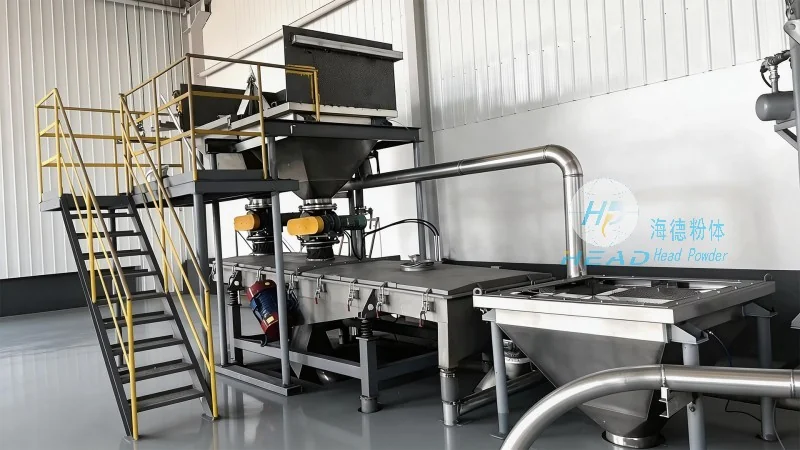
The air-driven conveying system for zinc oxide powder offers several advantages that make it an ideal choice for industrial applications. First, it provides a dust-free and clean environment, which is essential for materials like zinc oxide that are used in pharmaceutical and food industries. The system also reduces the risk of contamination and cross-contamination, as the material is enclosed within the conveying line. Additionally, air-driven conveying is more energy-efficient than mechanical systems, as it uses less power to transport the material over long distances. The system is also flexible and can be easily adapted to different production requirements, such as varying flow rates or material types. In the case of zinc oxide powder, the system is commonly used in the production of pharmaceuticals, where the material is used as an active ingredient or excipient. It is also used in the ceramics industry for making ceramic glazes and in the rubber industry for reinforcing compounds. The efficiency and reliability of the air-driven conveying system ensure that the zinc oxide powder is delivered to the processing plant in a consistent and high-quality state, meeting the stringent requirements of these industries.

 Shandong Headpowder Engineering Co., Ltd.
 156-6277-7102(Manager Zhang)
  0531-83386006
  Zhangqiu District, Jinan City, Shandong Province, China
telephone
WeChatconsult
top