With more than 10‑year industry experience, Shandong Headpowder delivers full‑service pneumatic‑conveying systems and blowers, undertaking nationwide turn‑key powder‑handling projects.
Alumina crystal powder, a critical material in various industrial applications, requires efficient and reliable handling methods to ensure optimal performance and safety. Pneumatic conveying systems have emerged as a preferred solution for transporting alumina crystals due to their ability to handle fine powders with minimal dust generation and operational flexibility. This article explores the operation process and working principle of pneumatic conveying for alumina crystal powders, highlighting the key components, processes, and benefits associated with this technology.
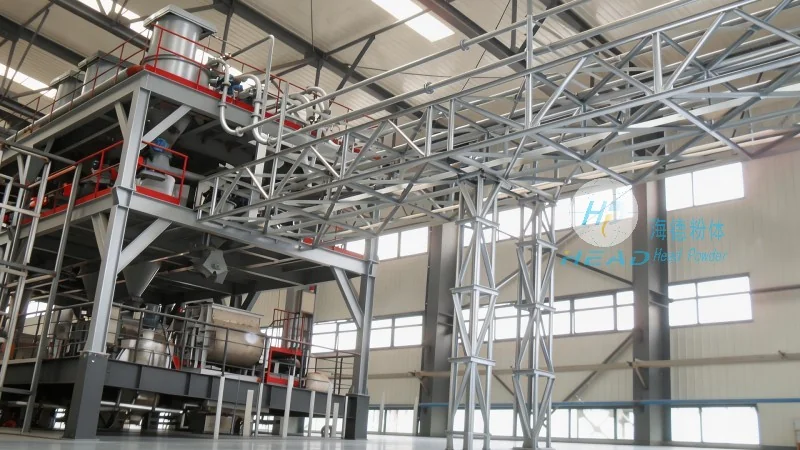
Pneumatic conveying, also known as pneumatic transport, is a method of transporting bulk materials like alumina crystals through a pipeline using a gas stream, typically air or other gases. The system is designed to move the powder from a source point to a destination point without the need for mechanical components such as belts or buckets. This approach is particularly advantageous for handling alumina crystals because of their abrasive nature and the need to maintain low dust levels, which can be challenging with traditional mechanical conveying methods.
The core of pneumatic conveying for alumina crystal powders lies in the interaction between the material and the gas stream. The process typically involves creating a pressure differential within the conveying line. At the source, the alumina crystals are introduced into the pipeline, either by gravity or by a feed mechanism, and are then entrained by the moving air. The air velocity is maintained at a level sufficient to keep the particles suspended and prevent deposition or blockage in the pipeline. The material is then transported to the discharge point, where it is separated from the gas stream, often through a cyclone or filter system.
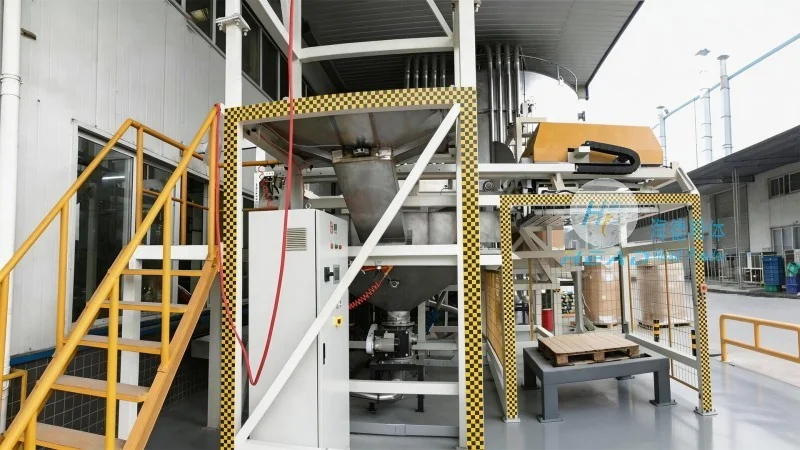
The operation process of a pneumatic conveying system for alumina crystal powders involves several key steps. First, the material is fed into the system, either from a hopper or a storage silo. The feed mechanism ensures a consistent flow of alumina crystals into the conveying line. Next, the air is introduced into the system, creating the necessary pressure or vacuum to move the material. The air velocity is carefully controlled to maintain the proper suspension of the crystals, preventing agglomeration or damage to the particles. The conveying line is designed with appropriate dimensions and bends to minimize pressure drop and ensure smooth transport. Finally, the material is discharged at the destination point, where it is collected and prepared for further processing or use.
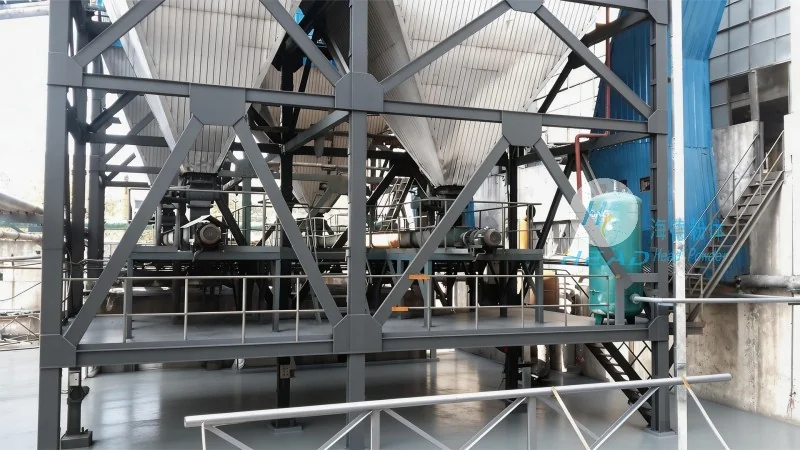
Implementing pneumatic conveying for alumina crystal powders offers several advantages over traditional conveying methods. One of the primary benefits is the reduction in dust generation, which is crucial for maintaining a safe and clean working environment. Pneumatic systems also provide better control over the material flow, allowing for precise dosing and consistent quality of the transported powder. Additionally, these systems are more flexible in terms of layout, as they can be installed in various configurations to suit different plant layouts and operational requirements. The absence of moving parts in the conveying line reduces maintenance needs and extends the service life of the equipment, leading to lower long-term operational costs.
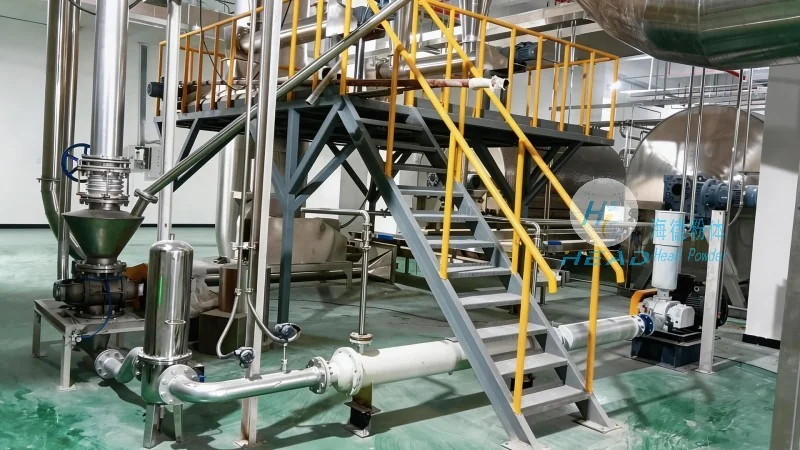
When selecting a pneumatic conveying system for alumina crystal powders, several technical specifications and application considerations must be taken into account. The material properties of the alumina crystals, such as particle size, density, and abrasiveness, play a significant role in determining the appropriate system design. The conveying distance and elevation changes also influence the system's design, as they affect the required air pressure and flow rate. The system's capacity and throughput must match the production requirements of the plant. Furthermore, the system must comply with safety regulations and environmental standards, particularly regarding dust control and air quality. Proper sizing of the conveying line, air compressor, and separation equipment is essential to ensure efficient and reliable operation.
Shandong HeadPowder Engineering Co., Ltd., commonly known as HeadPowder, is a leading manufacturer and supplier of pneumatic conveying systems and related equipment for the handling of alumina and other fine powders. With a strong focus on innovation and quality, the company has developed advanced solutions tailored to the specific needs of the alumina industry. HeadPowder's expertise lies in designing and manufacturing customized pneumatic conveying systems that ensure efficient, safe, and cost-effective transport of alumina crystal powders. The company's commitment to customer satisfaction and technical excellence has made it a trusted partner for businesses operating in the alumina processing sector. HeadPowder's facilities are located in Shandong, China, where the company leverages local resources and expertise to deliver high-quality products and services to clients worldwide.

 Shandong Headpowder Engineering Co., Ltd.
 156-6277-7102(Manager Zhang)
  0531-83386006
  Zhangqiu District, Jinan City, Shandong Province, China
telephone
WeChatconsult
top