With more than 10‑year industry experience, Shandong Headpowder delivers full‑service pneumatic‑conveying systems and blowers, undertaking nationwide turn‑key powder‑handling projects.
Barium sulfate, a widely used industrial chemical, requires efficient and reliable material handling systems to ensure smooth production processes. The equipment designed for transporting barium sulfate must meet stringent standards for safety, efficiency, and durability. Shandong HeadPowder Engineering Co., Ltd., a leading manufacturer of material handling systems, specializes in equipment designed for handling barium sulfate and other industrial chemicals. This article provides an in-depth look at the operation process and working principle of such systems, highlighting the key components and mechanisms involved.
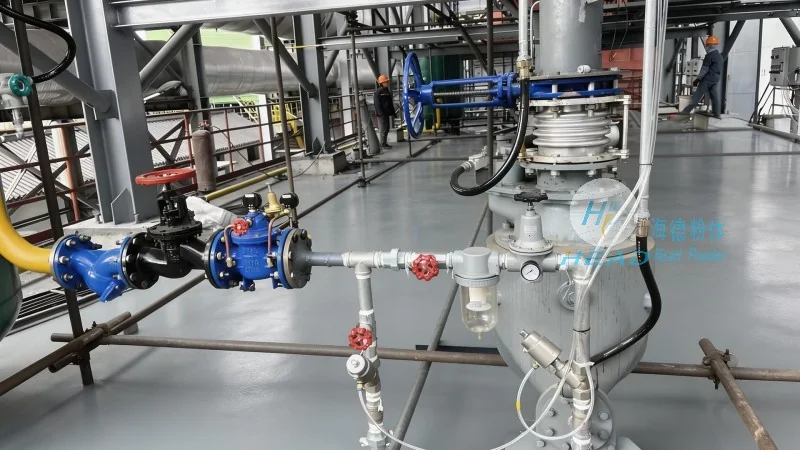
The barium sulfate material handling system typically consists of several critical components that work in tandem to facilitate the transport of the material. These components include feed hoppers, conveyor belts, rotary valves, and control panels. Each component plays a vital role in the overall operation, ensuring that the material is moved safely and efficiently from one stage of production to the next. The feed hopper is responsible for receiving the material from a storage silo or batch container and regulating the flow rate. The conveyor system, which may be a belt conveyor or a screw conveyor, transports the material to the next processing stage. The rotary valve acts as a gate to control the flow into the downstream equipment, while the control panel monitors and adjusts the system parameters to maintain optimal performance.
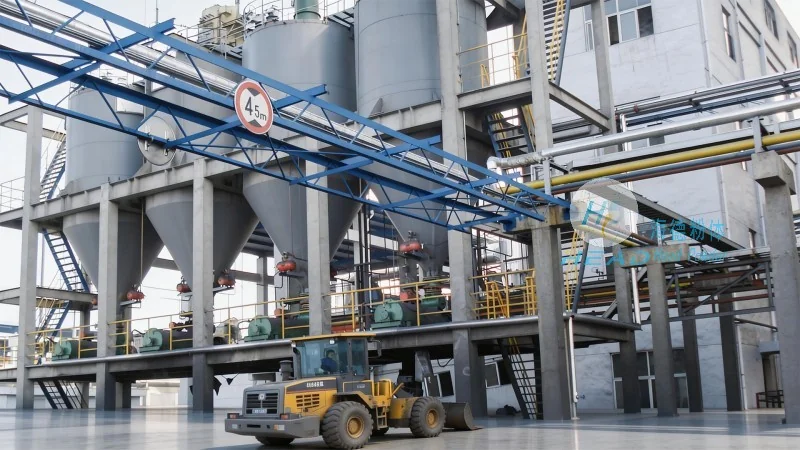
The working principle of the barium sulfate material handling system is based on mechanical and pneumatic operations. The process begins with the material being fed into the hopper from a storage silo or batch container. The feed hopper is designed to regulate the flow of the material, preventing overloading and ensuring a consistent feed rate. Once the material is in the hopper, it is discharged into the conveyor system, which then transports the material to the rotary valve. The rotary valve, controlled by the pneumatic or electric actuator, opens and closes to regulate the flow of the material into the downstream equipment. The control panel uses sensors to monitor the material level in the hopper and the speed of the conveyor, adjusting the system in real-time to maintain the desired flow rate. This closed-loop control system ensures that the material is handled consistently and safely, minimizing the risk of material buildup or overfeeding.
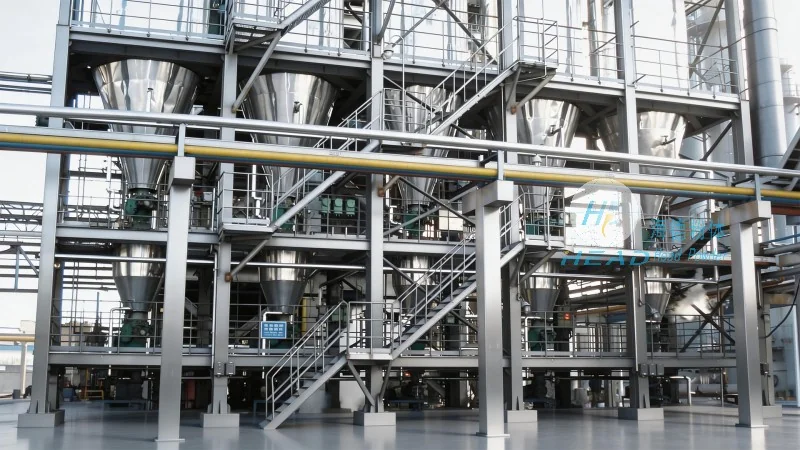
The operation process of the barium sulfate material handling system can be broken down into several key steps. First, the material is loaded into the feed hopper from a storage silo or batch container. The hopper then regulates the flow of the material, which is then transferred to the conveyor system. The conveyor moves the material to the rotary valve, which acts as a gate to control the flow into the downstream equipment. The control panel monitors the entire process, adjusting the speed of the conveyor and the opening of the rotary valve to maintain the desired flow rate. This ensures that the material is transported at a consistent rate, preventing bottlenecks or overloading of downstream equipment. The system operates continuously, with the conveyor and rotary valve working in sync to deliver the material to the next processing stage, such as a mixing or packaging unit.
Given the nature of barium sulfate, which can be a fine powder, the material handling system must incorporate safety features to prevent dust explosions and ensure operator safety. The system typically includes dust collection systems, explosion-proof components, and proper ventilation to minimize the risk of dust accumulation. The feed hopper and conveyor system are designed with smooth surfaces and minimal crevices to prevent material buildup, which can be a fire hazard. Regular maintenance is also crucial to ensure the longevity and efficiency of the equipment. This includes cleaning the conveyor belts to remove accumulated material, inspecting the bearings and seals on the rotary valve for wear and tear, and checking the electrical connections and control panel for any signs of damage. By adhering to a regular maintenance schedule, the system can operate at peak performance, minimizing downtime and maximizing productivity. Additionally, the system is equipped with safety interlocks and emergency stop buttons to prevent accidents and ensure operator safety during operation.
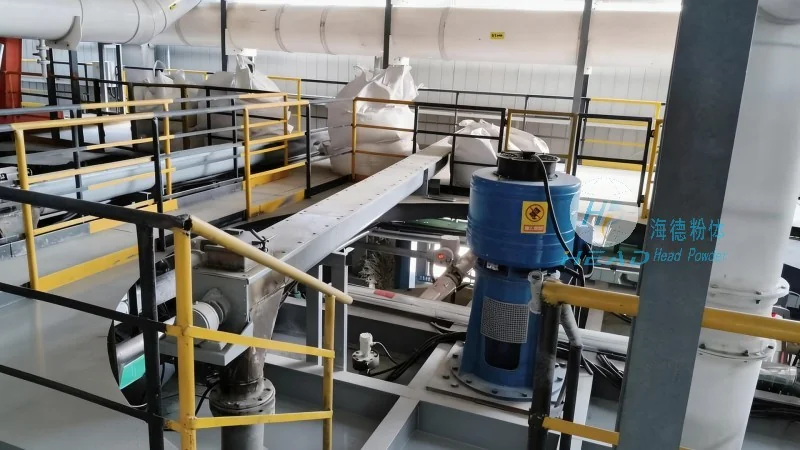
The barium sulfate material handling system is a critical component of industrial operations, ensuring the efficient and safe transport of this important chemical. By understanding the operation process and working principle of such systems, manufacturers can optimize their production lines and improve overall efficiency. With proper maintenance and safety measures in place, these systems can provide reliable service for years to come. Shandong HeadPowder Engineering Co., Ltd. continues to innovate in the design of material handling systems, providing solutions that meet the evolving needs of the industrial sector while maintaining the highest standards of safety and performance.

 Shandong Headpowder Engineering Co., Ltd.
 156-6277-7102(Manager Zhang)
  0531-83386006
  Zhangqiu District, Jinan City, Shandong Province, China
telephone
WeChatconsult
top