With more than 10‑year industry experience, Shandong Headpowder delivers full‑service pneumatic‑conveying systems and blowers, undertaking nationwide turn‑key powder‑handling projects.
Shandong HeadPowder Engineering Co., Ltd., a leading provider in the field, specializes in the design, manufacturing, and implementation of efficient talc powder material handling systems. These systems are crucial for industries that rely on talc powder, such as cosmetics, pharmaceuticals, and construction, where consistent and reliable material transport is essential for operational efficiency. The following article delves into the operation process and working principle of these systems, highlighting the key components and mechanisms that ensure smooth and effective material handling.
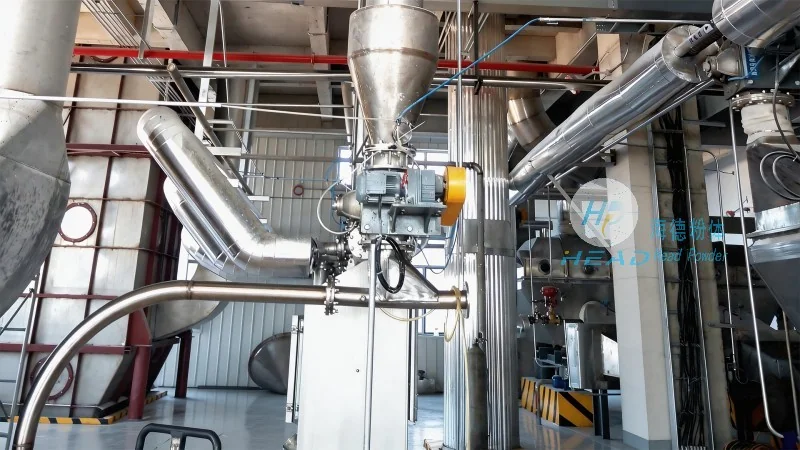
The talc powder material handling system typically consists of several interconnected components that work in harmony to transport the powder from one location to another. The primary components include feeders, conveyors, storage silos, and control systems. Each component plays a vital role in the overall operation, ensuring that the talc powder is handled safely and efficiently. For instance, feeders are responsible for regulating the flow of talc powder from the storage silo to the conveyor system, preventing overloading and ensuring a consistent feed rate. Conveyors, on the other hand, use various mechanisms like belt conveyors or pneumatic systems to transport the powder through the system. Storage silos are used to store large quantities of talc powder, providing a stable and controlled environment that maintains the quality of the material. Control systems, often equipped with sensors and automation technology, monitor the entire process, adjusting parameters as needed to maintain optimal performance.
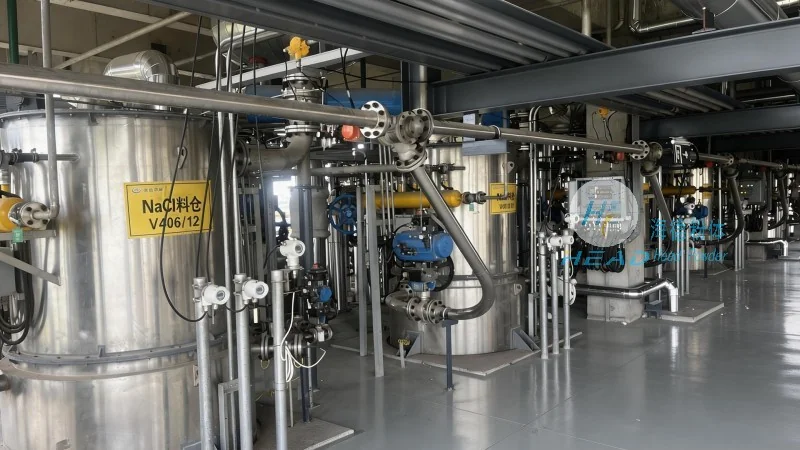
The operation process of a talc powder material handling system begins with the loading of talc powder into the storage silo. The powder is then discharged from the silo into the feeder, which regulates the flow rate. The feeder then feeds the talc powder into the conveyor system, which transports the material to the desired destination, such as a processing unit or a packaging area. Throughout this process, the control system continuously monitors the flow rate, pressure, and other parameters to ensure that the system operates within safe and efficient limits. If any abnormalities are detected, the control system automatically adjusts the settings to correct the issue, preventing disruptions in the production line. The entire operation is designed to be seamless and continuous, minimizing downtime and maximizing productivity. The system is also equipped with safety features, such as dust suppression systems and emergency stop buttons, to protect operators and maintain a safe working environment.
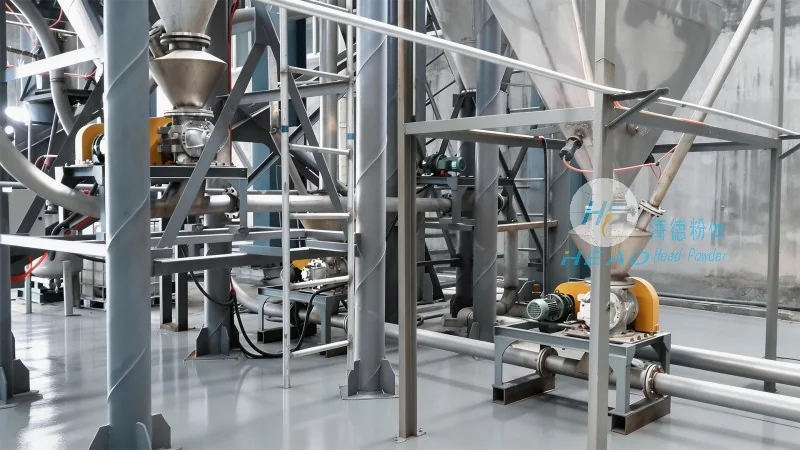
The working principle of a talc powder material handling system is based on the principles of material flow and mechanical transport. The system uses a combination of gravity, pressure, and mechanical force to move the talc powder through the various components. For example, in a belt conveyor system, the talc powder is placed on a moving belt, which transports the material along the desired path. The speed of the belt can be adjusted to control the flow rate of the powder. In pneumatic systems, the talc powder is transported using compressed air, which creates a flow of air that carries the powder through the system. The pressure and flow rate of the air are carefully controlled to ensure that the powder is transported efficiently and without damage. The control system plays a crucial role in managing these parameters, ensuring that the system operates optimally. The system is also designed to handle the unique properties of talc powder, such as its fine particle size and low bulk density, which can affect the flow characteristics. By understanding these properties, the system can be optimized to handle the powder effectively, minimizing issues like clogging or segregation.
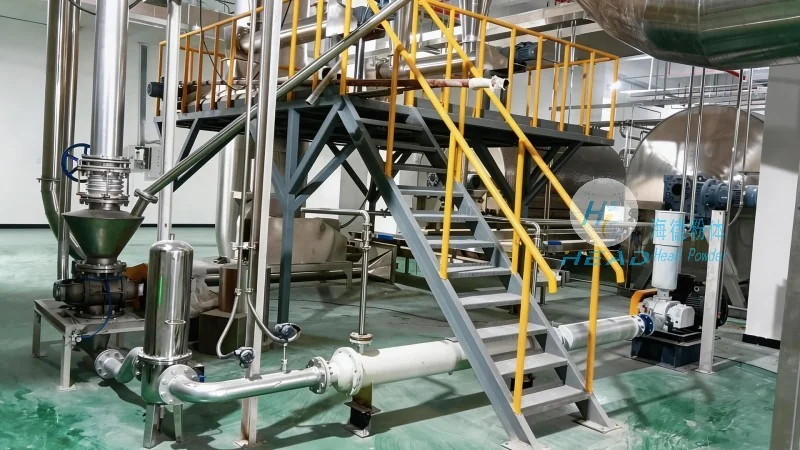
Implementing a talc powder material handling system offers several benefits to industries that rely on talc powder. First, it improves operational efficiency by ensuring a consistent and continuous flow of material, reducing downtime and increasing productivity. Second, it enhances safety by minimizing the risk of dust explosions and other hazards associated with handling fine powders. Third, it maintains the quality of the talc powder by preventing contamination and ensuring that the material is handled in a controlled environment. Fourth, it reduces labor costs by automating the material handling process, reducing the need for manual labor. Finally, it provides flexibility in the production process, allowing for easy adjustments to the flow rate and destination of the powder as needed. These benefits make talc powder material handling systems an essential investment for any industry that relies on talc powder for its products.

 Shandong Headpowder Engineering Co., Ltd.
 156-6277-7102(Manager Zhang)
  0531-83386006
  Zhangqiu District, Jinan City, Shandong Province, China
telephone
WeChatconsult
top