With more than 10‑year industry experience, Shandong Headpowder delivers full‑service pneumatic‑conveying systems and blowers, undertaking nationwide turn‑key powder‑handling projects.
For industrial applications involving polyethylene powder handling, understanding the operation process and working principle of a dedicated conveying system is crucial for maintaining efficiency and safety. This article provides a detailed overview of how a polyethylene powder conveying system functions, emphasizing the key components and operational steps involved.
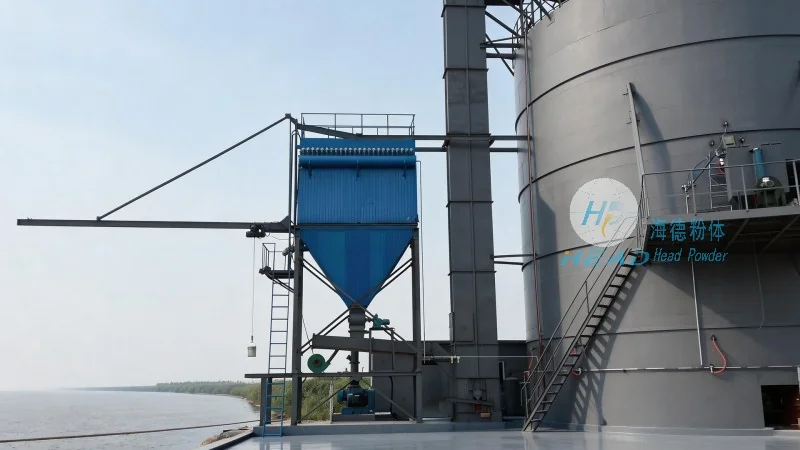
Polyethylene (PE) is a widely used thermoplastic polymer in various industries, including packaging, construction, and manufacturing. When PE is in powder form, it requires specialized equipment to transport it from storage to processing units without degradation or contamination. The polyethylene powder conveying system is designed to achieve this by utilizing a combination of mechanical and pneumatic principles, ensuring reliable and consistent material transfer.
The system typically consists of several core components that work in tandem to facilitate the movement of polyethylene powder. These components include:
The operation of the polyethylene powder conveying system follows a sequential process, each step carefully controlled to maintain the integrity of the material and the efficiency of the system. The process begins with the loading of the storage hopper with polyethylene powder. The hopper is then connected to the airlock feeder, which regulates the flow of powder into the pneumatic line.
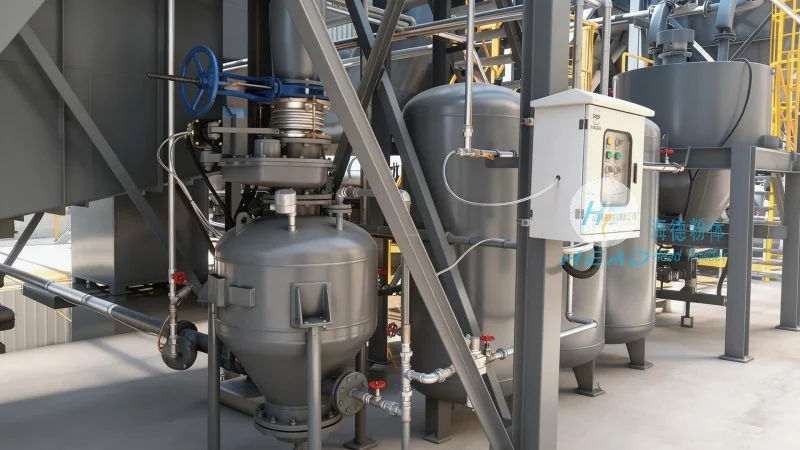
Once the powder enters the conveying line, it is propelled by the compressed air or gas flowing through the pipes. The air velocity and pressure are carefully managed to ensure that the powder particles are suspended and transported without clogging or degradation. The system may use different types of conveying methods, such as pressure or vacuum systems, depending on the application and distance requirements.
At the receiving end, the powder is deposited into the receiver tank. The control system continuously monitors the pressure, flow rate, and temperature to ensure that the conveying process remains stable. Any deviations are automatically adjusted to maintain optimal performance. The entire process is designed to be continuous and automated, reducing the need for manual intervention and minimizing the risk of material loss or contamination.
The working principle of the polyethylene powder conveying system is based on the principles of fluid dynamics and particle transport. The system utilizes compressed air to create a flow of air and powder particles within the conveying line. The air velocity is maintained at a level that is sufficient to keep the powder particles suspended, preventing them from settling or clogging the pipes.
Key to the system's efficiency is the balance between air pressure and powder flow. The airlock feeder ensures that the powder is fed at a controlled rate, matching the air flow in the line. This prevents overloading the system and ensures that the powder particles are evenly distributed throughout the conveying line. The receiver tank at the end of the line collects the powder, and the control system may include filters or separators to remove any air or moisture from the powder, ensuring it is in the correct condition for processing.
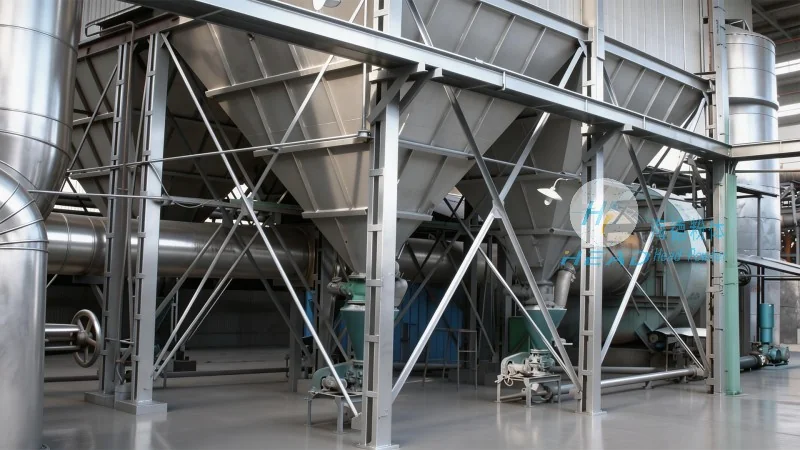
Implementing a polyethylene powder conveying system offers several advantages for industrial operations. First, it improves material handling efficiency by automating the transfer of powder from storage to processing units, reducing labor costs and minimizing the risk of human error. Second, the system ensures that the polyethylene powder remains in a consistent condition, preventing degradation due to exposure to air or moisture. Third, the system is designed to be safe and reliable, with built-in controls that prevent overpressure or clogging, reducing the risk of accidents or equipment damage.
Additionally, the polyethylene powder conveying system is scalable and can be customized to meet the specific needs of different applications. Whether for small-scale or large-scale operations, the system can be adjusted to handle varying quantities of powder and distances. This flexibility makes it an ideal solution for a wide range of industrial processes.
In conclusion, the polyethylene powder conveying system is a critical component in industrial operations involving polyethylene powder handling. By understanding its operation process and working principle, businesses can optimize their material transfer processes, improve efficiency, and ensure the quality of their products. The system's reliability and safety features make it a valuable investment for any company dealing with polyethylene powder, and its customization options allow it to adapt to various industrial needs.

 Shandong Headpowder Engineering Co., Ltd.
 156-6277-7102(Manager Zhang)
  0531-83386006
  Zhangqiu District, Jinan City, Shandong Province, China
telephone
WeChatconsult
top