With more than 10‑year industry experience, Shandong Headpowder delivers full‑service pneumatic‑conveying systems and blowers, undertaking nationwide turn‑key powder‑handling projects.
Shandong HeadPowder Engineering Co., Ltd. specializes in the design, manufacturing, and installation of advanced pneumatic conveying systems, including the innovative capsule pneumatic conveying system. This equipment is engineered to efficiently transport bulk materials over long distances with minimal maintenance and high reliability. The following sections detail the operational process and working principles of this system, providing a comprehensive understanding for potential users and industry professionals.
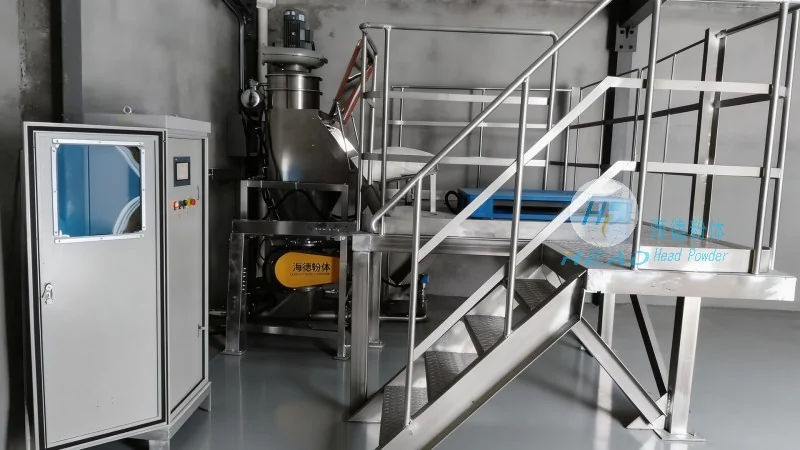
HeadPowder, based in Shandong, China, is a leading manufacturer in the field of material handling solutions. The capsule pneumatic conveying system is a key product line that addresses the challenges of transporting fine powders and granular materials in industrial applications. Unlike traditional pneumatic conveying methods, this system utilizes a unique capsule design to ensure stable and controlled material flow, reducing issues such as material degradation, blockages, and system downtime.
The capsule pneumatic conveying system consists of several critical components, each playing a vital role in the overall operation. These include the material feeding unit, the capsule transport mechanism, the air supply system, and the control panel. The material feeding unit is responsible for introducing the bulk material into the system, typically using a hopper or a screw feeder to ensure a consistent feed rate. The capsule transport mechanism, the heart of the system, consists of a series of interconnected capsules that move the material through the pipeline under the pressure of compressed air. The air supply system provides the necessary pressure and volume of air to propel the material, while the control panel allows operators to monitor and adjust the system parameters in real-time.
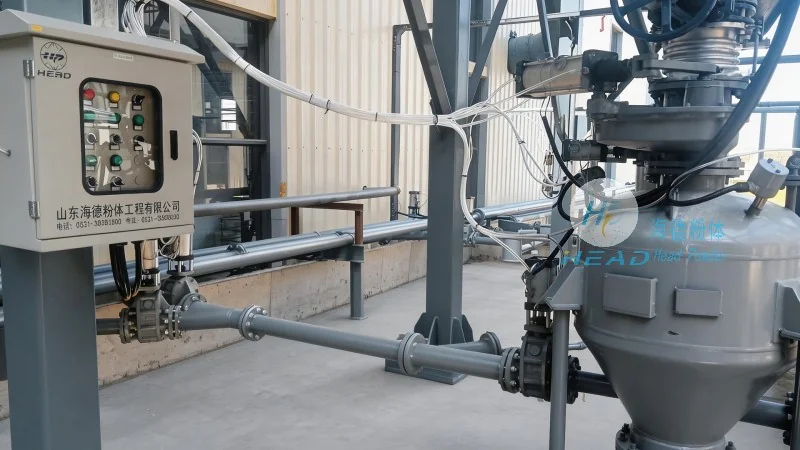
The operation of the capsule pneumatic conveying system follows a systematic sequence to ensure efficient material transport. The process begins with the loading of the bulk material into the feeding hopper. Once the hopper is filled, the material is fed into the first capsule through a valve mechanism. As the capsule moves along the pipeline, compressed air is introduced into the capsule, creating a pressure differential that propels the material forward. The capsules are designed to expand and contract, allowing them to accommodate different material types and flow rates. The system continues to move the capsules through the pipeline until the material reaches the discharge point. At the discharge end, the capsules release the material into a collection bin or another processing unit. The control panel monitors the pressure, flow rate, and position of the capsules, ensuring that the system operates within optimal parameters.
The working principle of the capsule pneumatic conveying system is based on the principles of pneumatic transport, utilizing compressed air to move material through a sealed pipeline. The system operates on the principle of pressure differential, where the compressed air creates a force that overcomes the gravitational and frictional forces acting on the material. The capsules, which are flexible and lightweight, act as carriers for the material, moving it from the inlet to the outlet of the system. The air supply is regulated to maintain a consistent pressure, ensuring that the material is transported at a controlled speed. The system's design minimizes the risk of material degradation, as the capsules provide a gentle and continuous flow, reducing the impact and friction that can damage sensitive materials. Additionally, the system is equipped with safety features, such as pressure relief valves and emergency stop buttons, to prevent accidents and ensure operator safety.
The capsule pneumatic conveying system offers several advantages over traditional pneumatic conveying methods, making it suitable for a wide range of industrial applications. These advantages include high material transport efficiency, minimal material degradation, reduced system downtime, and easy maintenance. The system is particularly effective for transporting fine powders, granular materials, and other bulk materials that are prone to clogging or degradation in traditional systems. Applications include pharmaceuticals, food processing, chemical manufacturing, and mining industries, where the need for clean, efficient, and reliable material handling is critical.
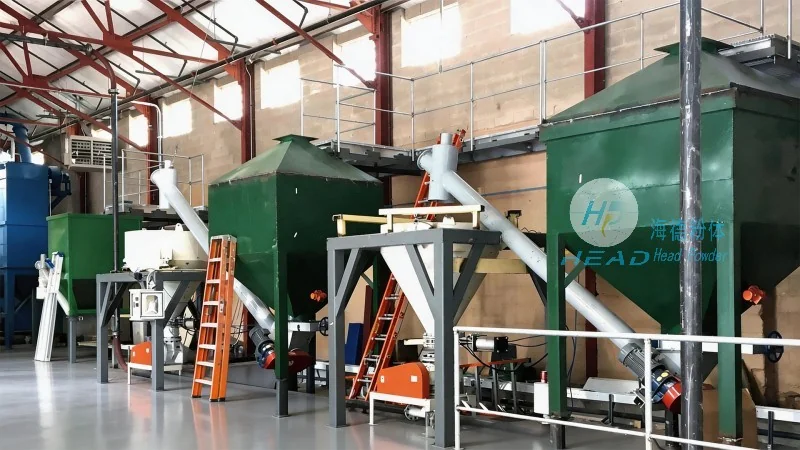
To ensure the long-term performance and reliability of the capsule pneumatic conveying system, regular maintenance is essential. Operators should follow the manufacturer's guidelines for routine checks and maintenance tasks. This includes inspecting the capsules for wear and tear, checking the air supply system for leaks, and cleaning the feeding and discharge units to prevent material buildup. Additionally, the control panel should be monitored regularly to ensure that the system parameters are within the optimal range. By following these maintenance tips, users can maximize the system's lifespan and minimize operational costs.
The capsule pneumatic conveying system from Shandong HeadPowder Engineering Co., Ltd. represents a significant advancement in material handling technology. Its innovative design and efficient operation make it an ideal solution for industries requiring reliable and high-performance bulk material transport. By understanding the operation process and working principles of this system, users can make informed decisions about its application and maintenance, ensuring optimal performance and cost-effectiveness.

 Shandong Headpowder Engineering Co., Ltd.
 156-6277-7102(Manager Zhang)
  0531-83386006
  Zhangqiu District, Jinan City, Shandong Province, China
telephone
WeChatconsult
top