With more than 10‑year industry experience, Shandong Headpowder delivers full‑service pneumatic‑conveying systems and blowers, undertaking nationwide turn‑key powder‑handling projects.
Shandong HeadPowder Engineering Co., Ltd., a professional manufacturer based in Shandong, China, specializes in the design, development, and production of advanced coal coking gas power transportation systems. These systems are engineered to efficiently transport coal coking materials, such as coke, coal, and other bulk solids, using pneumatic conveying technology. The equipment is widely used in the coking industry, providing reliable and efficient solutions for material handling and transportation.
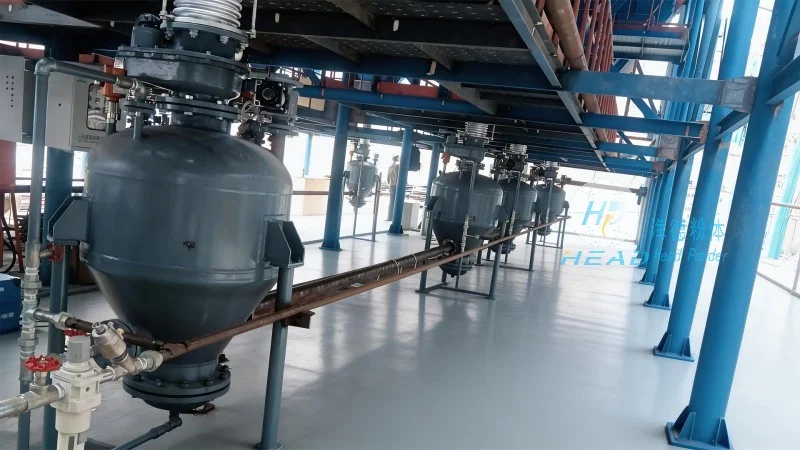
The coal coking gas power transportation system typically consists of several core components that work in tandem to ensure smooth operation. These include the material feeding unit, the air compressor or blower system, the conveying pipeline, the dust collection and filtration system, and the material discharge unit. Each component plays a critical role in the overall performance and efficiency of the system.
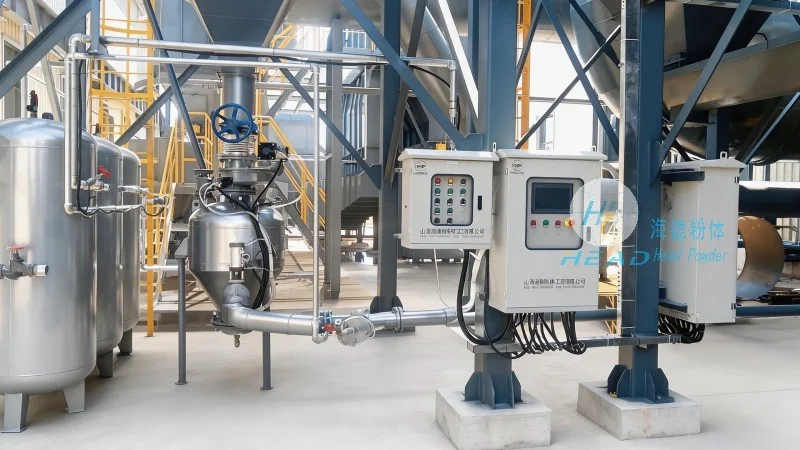
The operation of the coal coking gas power transportation system is based on the principle of pneumatic conveying, where bulk materials are transported through a pipeline using a stream of air. The process begins with the material being fed into the system, usually through a hopper or feeder. The air compressor then generates a high-pressure air stream, which is introduced into the conveying pipeline. As the air flows through the pipeline, it carries the material particles along with it, moving them from the feeding point to the discharge point. The air velocity and pressure are carefully controlled to ensure that the material is conveyed without blockages or excessive wear on the equipment.
The operation process of the coal coking gas power transportation system involves several sequential steps that ensure the efficient and safe transport of materials. The first step is the preparation of the material, which includes loading the bulk solid into the feeding hopper. Next, the air compressor is activated, and the air flow is adjusted to the appropriate pressure and volume. The material is then released from the hopper into the conveying pipeline, where it is carried by the air stream to the destination. At the discharge point, the material is collected in a receiving hopper or container. The system also includes a dust collection system to capture any airborne particles, ensuring compliance with environmental regulations and maintaining a clean working environment.
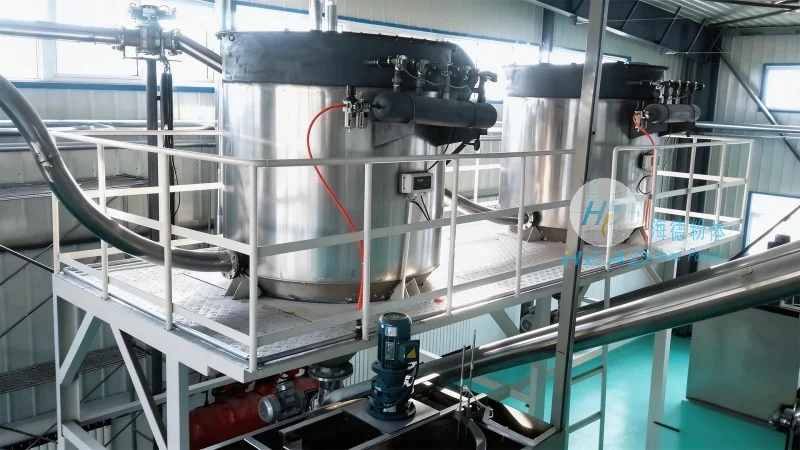
The coal coking gas power transportation system offers several advantages over traditional mechanical conveying methods. These include reduced labor costs, improved safety due to enclosed systems, and lower maintenance requirements. The system is particularly suitable for transporting fine or dusty materials, such as coke and coal, which are prone to dust generation and require efficient dust control. It is widely used in coking plants for transporting raw materials to the coking ovens, as well as for transporting finished products from the ovens to storage or processing areas.

 Shandong Headpowder Engineering Co., Ltd.
 156-6277-7102(Manager Zhang)
  0531-83386006
  Zhangqiu District, Jinan City, Shandong Province, China
telephone
WeChatconsult
top