With more than 10‑year industry experience, Shandong Headpowder delivers full‑service pneumatic‑conveying systems and blowers, undertaking nationwide turn‑key powder‑handling projects.
Alumina, also known as aluminum sulfate, is a widely used chemical compound in various industrial applications, including water treatment, paper manufacturing, and chemical processing. The efficient and reliable transportation of alumina from storage to processing units is crucial for maintaining production efficiency and minimizing operational downtime. Pneumatic conveying systems have emerged as a preferred method for handling alumina due to their ability to transport bulk materials in a dust-free and controlled manner. This article provides a detailed overview of the operation process and working principle of alumina pneumatic conveying, highlighting the key components, operational steps, and technical considerations involved.
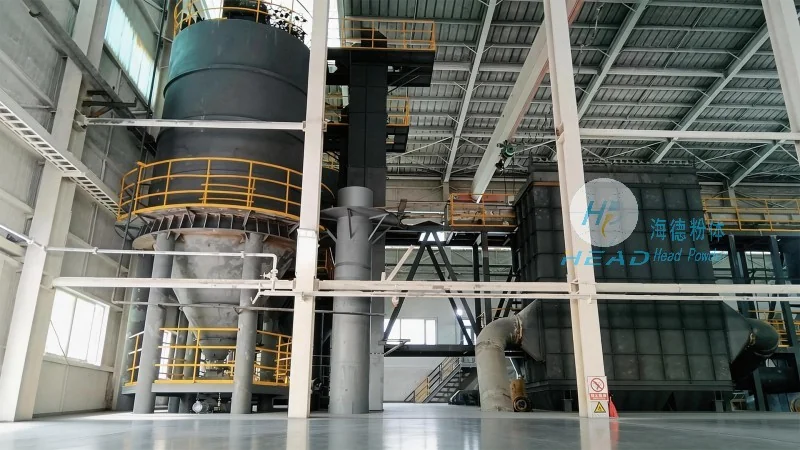
Alumina, with its fine and often abrasive nature, requires specialized handling equipment to ensure safe and efficient transport. Pneumatic conveying systems utilize air or other gases to move alumina particles through a pipeline network. Unlike mechanical conveying methods, such as screw conveyors or belt conveyors, pneumatic systems offer advantages like reduced material degradation, lower maintenance requirements, and the ability to handle a wide range of particle sizes and moisture content. The choice of pneumatic conveying for alumina is driven by its effectiveness in maintaining product quality while minimizing the risk of dust exposure and contamination.
The alumina pneumatic conveying system consists of several critical components that work in tandem to achieve efficient material transport. These components include the hopper or storage silo, the feeder, the conveying line, the air compressor or blower, the control system, and the discharge equipment. Each component plays a vital role in the overall operation of the system.
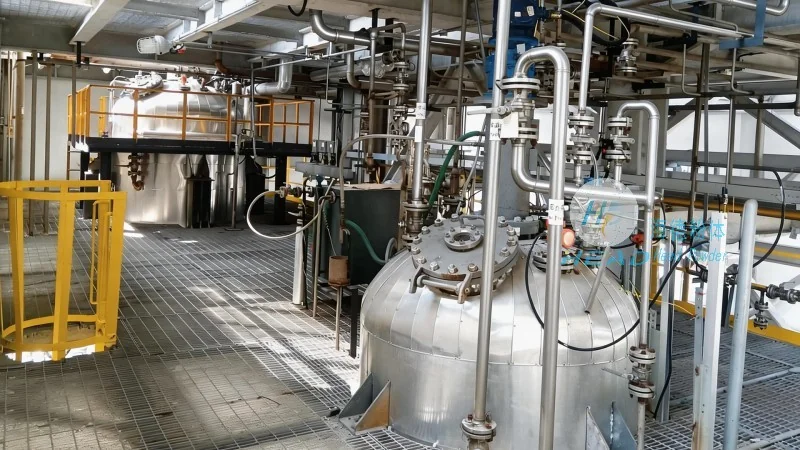
The hopper or storage silo is responsible for storing the alumina material and providing a consistent feed to the feeder. It is typically designed with a conical bottom to facilitate smooth material flow and prevent clogging. The feeder, often a rotary valve or a screw feeder, regulates the flow rate of alumina into the conveying line, ensuring a steady and controlled supply of material. The conveying line, usually made of stainless steel or other corrosion-resistant materials, is the main pathway for transporting alumina particles. The air compressor or blower generates the necessary air pressure to move the material through the pipeline. The control system monitors and adjusts the air pressure, flow rate, and material feed to maintain optimal operation. Finally, the discharge equipment, such as a rotary valve or a bagging unit, collects the alumina at the destination point and prepares it for further processing.
The operation process of an alumina pneumatic conveying system involves several sequential steps that ensure the smooth and continuous transport of material. The process begins with the loading of alumina into the storage hopper. Once the hopper is filled, the feeder starts to discharge the material at a controlled rate. Simultaneously, the air compressor or blower activates and generates the required air pressure. The air and alumina particles are then mixed and introduced into the conveying line. As the mixture travels through the pipeline, the air pressure propels the alumina particles forward, maintaining a consistent flow rate. The control system continuously monitors the pressure and flow rate, adjusting the air supply as needed to prevent blockages or excessive pressure drops. Upon reaching the destination point, the discharge equipment collects the alumina and prepares it for the next stage of processing. The entire process is automated and can be controlled remotely, allowing for efficient and safe operation.
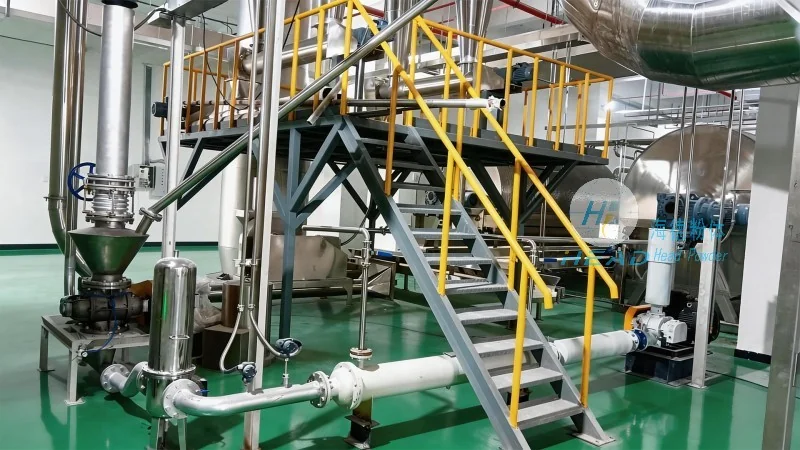
The working principle of alumina pneumatic conveying is based on the fundamental concept of fluidization and drag force. When air is introduced into the conveying line at a sufficient velocity, it creates a fluidized bed of alumina particles, allowing them to move freely through the pipeline. The drag force exerted by the air on the particles overcomes the gravitational force, enabling the material to be transported horizontally, vertically, or at an incline. The velocity of the air is a critical parameter, as it must be high enough to maintain the fluidization of the particles but not excessively high to cause excessive wear on the system components or material degradation. The system operates under positive pressure, meaning the air pressure in the conveying line is higher than the ambient pressure, which helps to prevent dust leakage and maintain a clean environment.
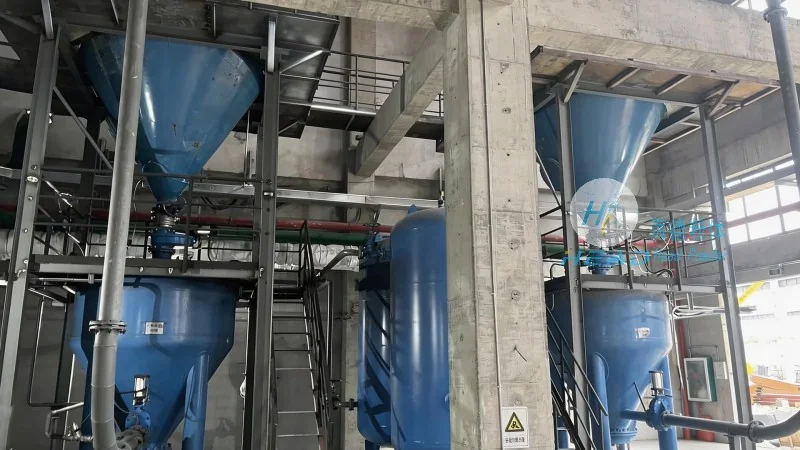
Several technical considerations are essential for the successful operation of an alumina pneumatic conveying system. First, the selection of appropriate materials for the conveying line and components is crucial to withstand the abrasive nature of alumina and prevent corrosion. Stainless steel is commonly used due to its durability and resistance to chemical attack. Second, the design of the system must account for the particle size distribution and moisture content of the alumina, as these factors affect the air velocity required for efficient transport. Proper sizing of the feeder and control system is necessary to maintain a consistent flow rate and prevent blockages. Regular maintenance, including cleaning of the conveying line and replacement of worn parts, is essential to ensure the longevity and reliability of the system. Additionally, proper ventilation and dust collection systems should be installed to minimize the risk of dust exposure and environmental contamination.
Alumina pneumatic conveying systems are widely used in various industrial applications where the efficient transport of alumina is critical. In water treatment plants, alumina is used as a coagulant to remove impurities from water, and pneumatic conveying ensures a consistent supply of material to the treatment units. In paper manufacturing, alumina is used as a filler and coating material, and pneumatic systems facilitate the transport of large quantities of material to the paper machines. In chemical processing, alumina is used as a catalyst or raw material, and pneumatic conveying allows for the safe and efficient handling of the material in production lines. The benefits of using pneumatic conveying for alumina include improved product quality, reduced operational costs, minimized downtime, and enhanced safety through dust-free operation.

 Shandong Headpowder Engineering Co., Ltd.
 156-6277-7102(Manager Zhang)
  0531-83386006
  Zhangqiu District, Jinan City, Shandong Province, China
telephone
WeChatconsult
top