With more than 10‑year industry experience, Shandong Headpowder delivers full‑service pneumatic‑conveying systems and blowers, undertaking nationwide turn‑key powder‑handling projects.
For industrial applications involving gelatin handling, efficient and reliable material transport is crucial. The pneumatic conveying system for gelatin offers a solution that combines precision with operational efficiency, ensuring that the material is moved safely and effectively from one point to another in a production environment.
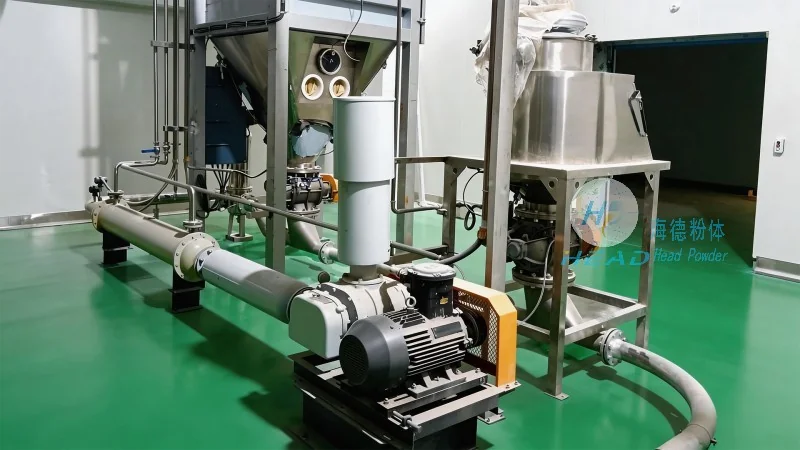
Gelatin pneumatic conveying systems are designed to transport gelatin powder or granules through an enclosed pipeline using air or gas as the conveying medium. This method is particularly advantageous for materials that are sensitive to moisture, temperature fluctuations, or contamination, as the system provides a controlled environment for material movement. The technology is widely used in pharmaceutical, food, and chemical industries where maintaining product integrity is paramount.
The gelatin pneumatic conveying system consists of several critical components that work in tandem to achieve efficient material transport. These include the hopper or feeder, which stores and meters the gelatin; the conveying line, which is typically made of stainless steel to prevent material degradation and contamination; the air or gas source, which provides the necessary pressure to move the material; and the receiver or discharge unit, where the gelatin is deposited at the destination. Each component is engineered to handle the specific properties of gelatin, ensuring that the system operates smoothly and maintains product quality throughout the process.
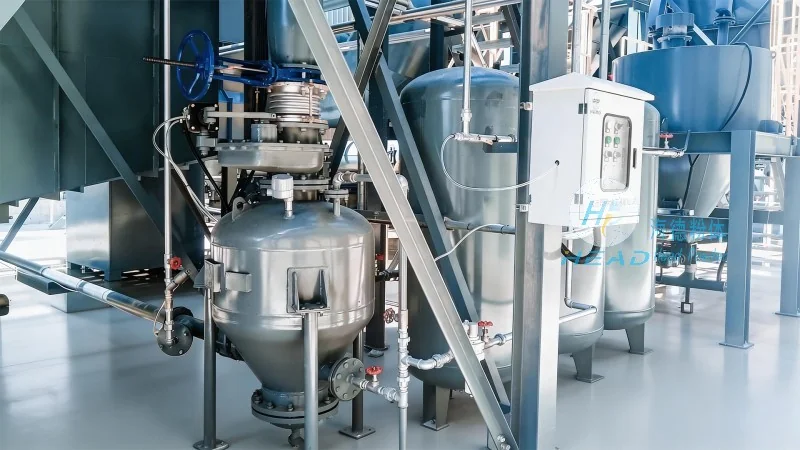
The operation of a gelatin pneumatic conveying system follows a systematic process that begins with the preparation of the material and concludes with its delivery at the target location. The process starts with the gelatin being loaded into the hopper, where it is stored under controlled conditions to prevent clumping or moisture absorption. Once the system is activated, the feeder meters the gelatin into the conveying line at a consistent rate. Simultaneously, the air compressor or blower generates a flow of air that creates a pressure differential within the pipeline. This pressure differential propels the gelatin particles forward, carrying them through the pipeline to the receiver. The receiver is designed to separate the gelatin from the air stream, typically using a cyclone or filter system, and deposits the material in a container or processing unit. The entire process is automated, allowing for precise control over the flow rate and pressure, which minimizes material degradation and ensures consistent product quality.
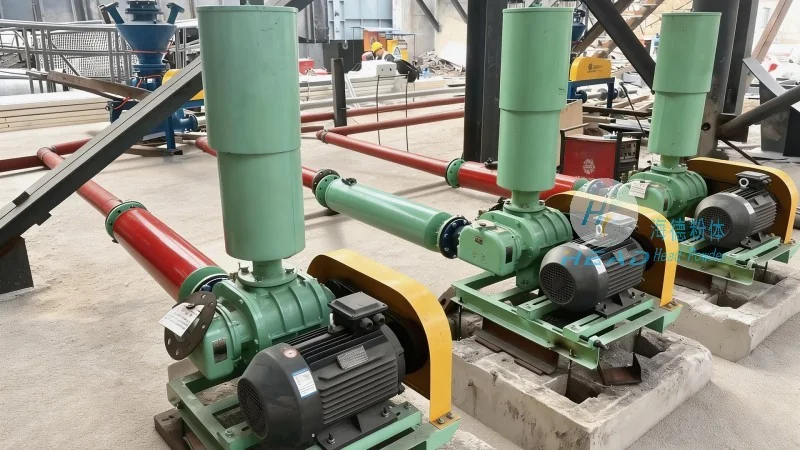
The working principle of gelatin pneumatic conveying is based on the fundamental concept of fluidization and particle transport. When air is introduced into the conveying line at a sufficient velocity, it creates a fluidized state where the gelatin particles are suspended and transported along with the air stream. The key to efficient conveying lies in maintaining the correct air velocity and pressure to ensure that the particles remain suspended without settling or clogging the pipeline. The system utilizes either positive pressure or negative pressure (or a combination of both) to achieve the desired transport. Positive pressure systems, where air is forced into the line, are commonly used for short to medium distance conveying, while negative pressure systems, where air is drawn out of the line, are suitable for longer distances or when the material needs to be transported from multiple sources to a single destination. The choice of system depends on the specific application requirements, including the distance between the source and destination, the volume of material to be transported, and the need for material containment.
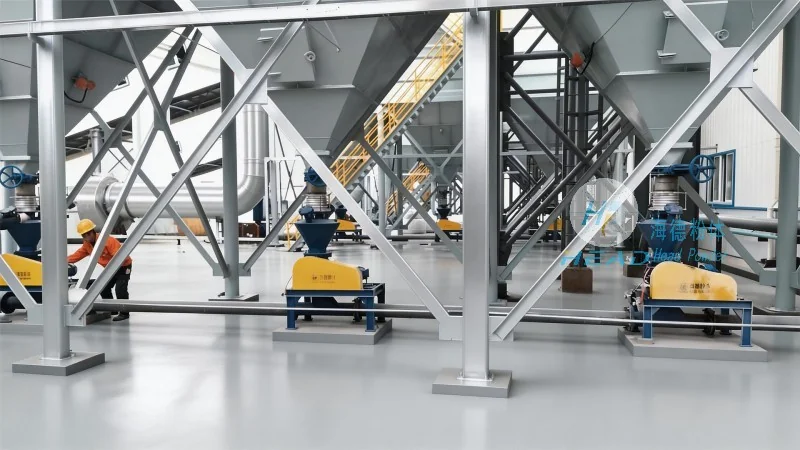
Implementing a gelatin pneumatic conveying system offers several advantages over traditional mechanical conveying methods. One of the primary benefits is the ability to maintain product integrity, as the material is transported in an enclosed system that protects it from external contaminants, moisture, and temperature variations. This is particularly important for gelatin, which is a sensitive material used in pharmaceutical and food applications where purity is critical. Additionally, pneumatic conveying systems are more flexible and can be easily integrated into existing production lines, allowing for changes in the layout or process without significant modifications. The system also reduces labor costs by automating the material handling process, minimizing the need for manual handling and associated risks. Furthermore, the enclosed design of the system enhances safety by preventing dust emissions and ensuring that the material is contained throughout the transport process.
Shandong HeadPowder Engineering Co., Ltd., operating under the brand name headpowder, specializes in the design, manufacturing, and installation of advanced pneumatic conveying systems for various industrial applications. With a focus on innovation and quality, the company provides customized solutions tailored to the specific needs of its clients. Headpowder's expertise in material handling technology ensures that their systems are efficient, reliable, and compliant with industry standards. The company's facilities are located in Shandong, China, where they leverage local resources and expertise to deliver high-quality products and services to customers worldwide. By partnering with headpowder, industries can benefit from advanced technology and professional support to enhance their material handling processes and improve overall operational efficiency.

 Shandong Headpowder Engineering Co., Ltd.
 156-6277-7102(Manager Zhang)
  0531-83386006
  Zhangqiu District, Jinan City, Shandong Province, China
telephone
WeChatconsult
top