With more than 10‑year industry experience, Shandong Headpowder delivers full‑service pneumatic‑conveying systems and blowers, undertaking nationwide turn‑key powder‑handling projects.
Paint pneumatic conveying systems are sophisticated industrial solutions designed to transport liquid or solid paint powders efficiently and safely. These systems are integral to modern manufacturing processes, enabling seamless material handling from storage to application. The technology combines air flow with mechanical components to move paint materials through pipelines, ensuring minimal contamination and optimal performance. Understanding the operation process and working principle is crucial for optimizing system performance and maintaining product quality.
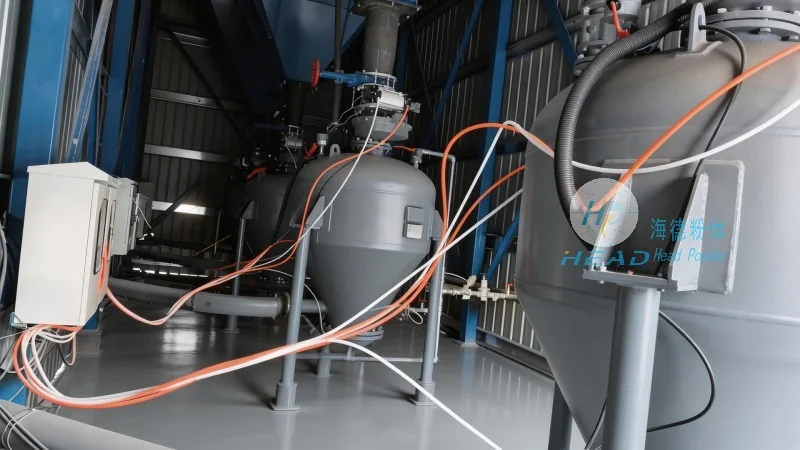
The effectiveness of paint pneumatic conveying systems relies on several critical components. These include the material feed hopper, which holds the paint powder or liquid; the air supply system, typically a blower or compressor that generates the necessary air pressure; the conveying pipeline, which transports the material; and the discharge unit, where the paint is released for use. Additionally, control valves and sensors are integrated to regulate flow rates and monitor system performance. Each component works in harmony to ensure consistent and reliable material transport.
The operation process of paint pneumatic conveying systems involves a series of steps that ensure efficient material movement. Initially, the paint material is loaded into the feed hopper. The system then activates the air supply, creating a pressure differential that draws the material into the pipeline. As air and material mix, they form a slurry or suspension that travels through the pipeline to the discharge point. The system may include a cyclone separator or filter at the discharge end to separate the paint from the air, ensuring that only the material is delivered to the application point. This process minimizes material loss and prevents air contamination, maintaining product integrity.
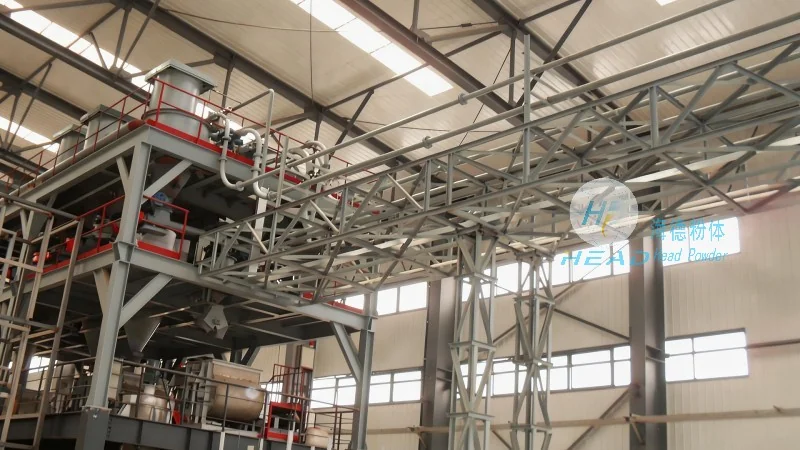
The working principle of paint pneumatic conveying is based on the fundamental physics of fluid dynamics and particle transport. The system uses compressed air to create a pressure gradient that propels the paint material through the pipeline. In dilute phase conveying, the material is suspended in the air stream, moving at high velocities. In dense phase conveying, the material is transported in a more concentrated form, with lower air velocities, which reduces wear on components and minimizes product degradation. The choice between dilute and dense phase depends on the material properties, such as particle size and moisture content, and the system's design requirements. Proper air flow management is essential to maintain the desired conveying conditions and prevent blockages or system inefficiencies.
Implementing paint pneumatic conveying systems offers numerous advantages for industrial applications. These systems enhance operational efficiency by automating material handling, reducing labor costs and human error. They also improve product quality by minimizing contamination and ensuring consistent material delivery. Additionally, the enclosed system design reduces dust emissions and improves workplace safety. The flexibility of pneumatic conveying allows for easy integration with existing manufacturing lines and can be scaled to accommodate varying production volumes. Over time, the investment in such systems often leads to significant cost savings through reduced material waste and increased productivity.
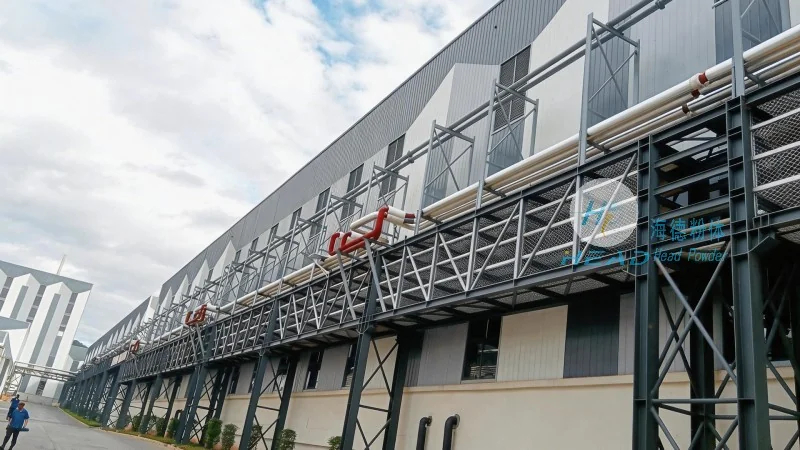
Paint pneumatic conveying systems are widely used in various applications within the paint industry. For instance, in large-scale paint manufacturing facilities, these systems transport raw pigments and additives from storage silos to mixing tanks. In paint application processes, such as in automotive or industrial coating lines, pneumatic conveyors deliver paint to spray booths or application equipment. The systems are also employed in maintenance and repair operations, where they transport paint for touch-up or refurbishment tasks. Each application benefits from the system's ability to handle different paint types, from fine powders to viscous liquids, with consistent performance and reliability.
Proper maintenance is essential to ensure the long-term performance and reliability of paint pneumatic conveying systems. Regular inspections of components, such as the blower, pipeline, and filters, are necessary to identify and address potential issues before they escalate. Cleaning the system, particularly the cyclone separators and filters, is critical to prevent clogging and maintain optimal air flow. Using compatible materials for the pipeline and components is important to avoid chemical reactions with the paint, which could degrade the system or affect product quality. Additionally, training operators on proper system operation and emergency procedures helps minimize downtime and ensures safe operation. Following these best practices helps maximize the system's lifespan and maintain consistent performance over time.

 Shandong Headpowder Engineering Co., Ltd.
 156-6277-7102(Manager Zhang)
  0531-83386006
  Zhangqiu District, Jinan City, Shandong Province, China
telephone
WeChatconsult
top