With more than 10‑year industry experience, Shandong Headpowder delivers full‑service pneumatic‑conveying systems and blowers, undertaking nationwide turn‑key powder‑handling projects.
White flour pneumatic conveying is a critical technology in the food processing industry, particularly for the efficient and hygienic transfer of flour from storage to processing units. This method relies on the use of air to transport dry powder materials, offering advantages such as minimal product contamination, reduced labor costs, and improved safety compared to traditional mechanical conveying systems. The operation process and working principles of white flour pneumatic conveying systems are designed to ensure optimal performance and reliability in industrial settings.
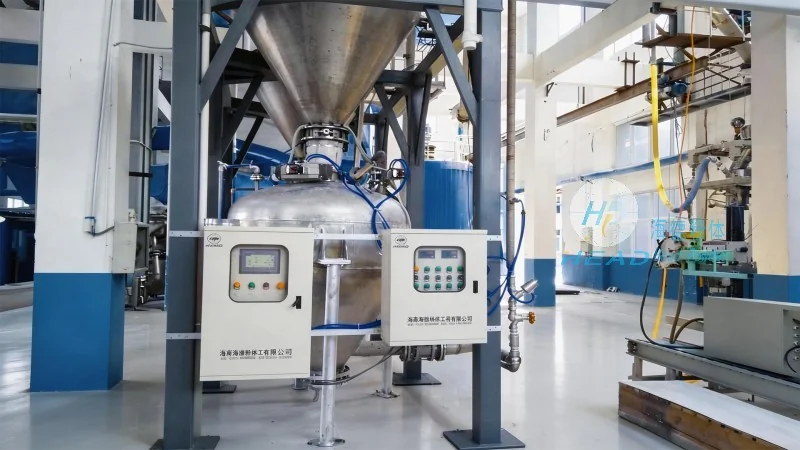
HeadPowder, the professional manufacturer behind this advanced pneumatic conveying technology, is a leading company in the field of powder handling solutions. With a strong presence in Shandong, China, HeadPowder specializes in developing and supplying high-quality pneumatic conveying equipment tailored to the unique needs of the flour and food processing industries. The company's commitment to innovation and customer satisfaction has established it as a trusted partner for businesses seeking efficient and reliable flour handling systems.
Pneumatic conveying systems operate by creating a flow of air within a pipeline, which then carries the white flour particles through the system. The process typically involves a combination of positive and negative pressure zones to move the material. In positive pressure systems, air is forced into the pipeline at a high velocity, drawing the flour particles along with it. Conversely, negative pressure systems create a vacuum that pulls the flour from the source into the conveying line. The choice between these two methods depends on factors such as the distance to be covered, the volume of material to be transported, and the specific characteristics of the flour being handled.
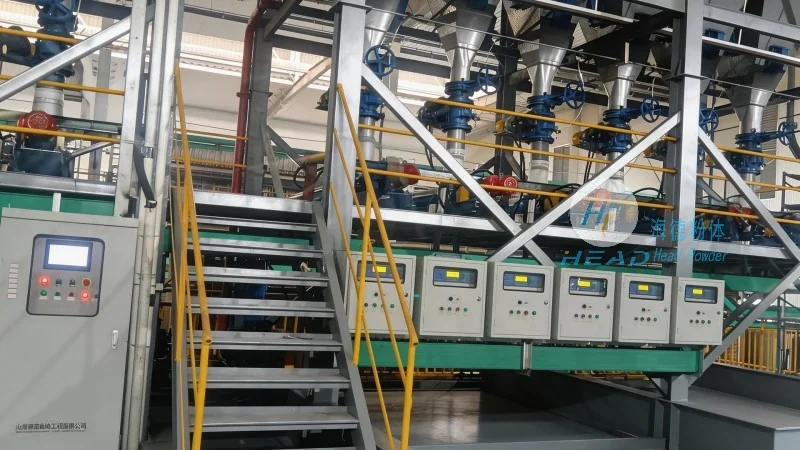
A typical white flour pneumatic conveying system consists of several essential components that work in tandem to ensure smooth operation. These include a hopper or storage bin for holding the flour, a feeder to control the flow rate of the material, a conveying line (often made of stainless steel for hygiene and durability), a dust collector to capture any airborne particles, and a receiver or discharge point where the flour is deposited. Each component plays a crucial role in maintaining the efficiency and effectiveness of the system, and proper maintenance is essential to prevent clogging and ensure consistent performance.
The operation process of a white flour pneumatic conveying system begins with the flour being stored in a hopper or silo. The feeder then regulates the flow of flour into the conveying line, ensuring a consistent and controlled supply. As the air is introduced into the system, it creates a pressure differential that propels the flour particles through the pipeline. The conveying line may include bends, valves, and other fittings to direct the flow to the desired location. At the receiving end, the flour is deposited into a processing unit, such as a mixer or a packaging machine. This entire process is automated, allowing for continuous operation and minimizing the need for manual intervention.
White flour pneumatic conveying offers numerous advantages over traditional conveying methods. One of the primary benefits is the hygienic nature of the system, as it minimizes direct contact between the flour and external surfaces, reducing the risk of contamination. Additionally, the system is highly efficient in terms of energy consumption and labor requirements, as it automates the entire transfer process. The ability to transport flour over long distances without the need for intermediate storage or handling points also contributes to cost savings and operational efficiency. Furthermore, the system is flexible and can be easily scaled to accommodate changes in production volume, making it suitable for both small and large-scale operations.
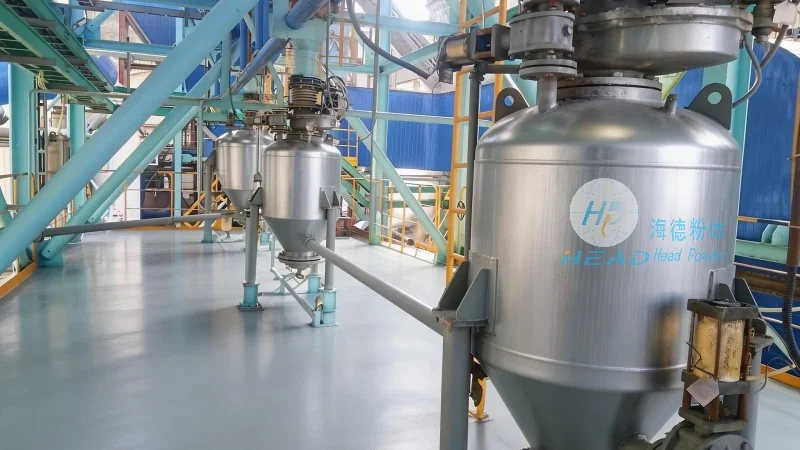
White flour pneumatic conveying is widely used in various applications within the food processing industry. It is commonly employed in bakeries, where large quantities of flour are needed for bread and pastry production. The system is also utilized in flour mills, where it facilitates the transfer of raw flour from storage to grinding and sifting equipment. Additionally, in the production of confectionery and snack foods, pneumatic conveying helps maintain the quality and freshness of the flour by preventing exposure to air and moisture. The versatility of the system makes it suitable for a wide range of food products, ensuring consistent quality and efficiency in the production process.
Proper maintenance is crucial to ensure the long-term performance and reliability of a white flour pneumatic conveying system. Regular cleaning of the conveying line and components is necessary to prevent the buildup of flour residue, which can lead to clogging and reduced efficiency. The feeder and hopper should be inspected regularly to ensure they are functioning correctly and not causing blockages. Additionally, the air filtration system should be checked to ensure it is capturing all airborne particles and preventing dust from escaping into the environment. In the event of system issues, such as reduced conveying capacity or increased air pressure, troubleshooting steps should be taken to identify and resolve the problem promptly. This may involve checking for clogs, inspecting the air supply, or verifying the proper operation of the feeder.

 Shandong Headpowder Engineering Co., Ltd.
 156-6277-7102(Manager Zhang)
  0531-83386006
  Zhangqiu District, Jinan City, Shandong Province, China
telephone
WeChatconsult
top