With more than 10‑year industry experience, Shandong Headpowder delivers full‑service pneumatic‑conveying systems and blowers, undertaking nationwide turn‑key powder‑handling projects.
HeadPowder, a leading enterprise in the field of material handling solutions, specializes in the design, manufacturing, and installation of pneumatic conveying systems tailored for gypsum powder applications. With a strong presence in Shandong, China, the company leverages its expertise to deliver efficient and reliable solutions for industries relying on gypsum powder processing.
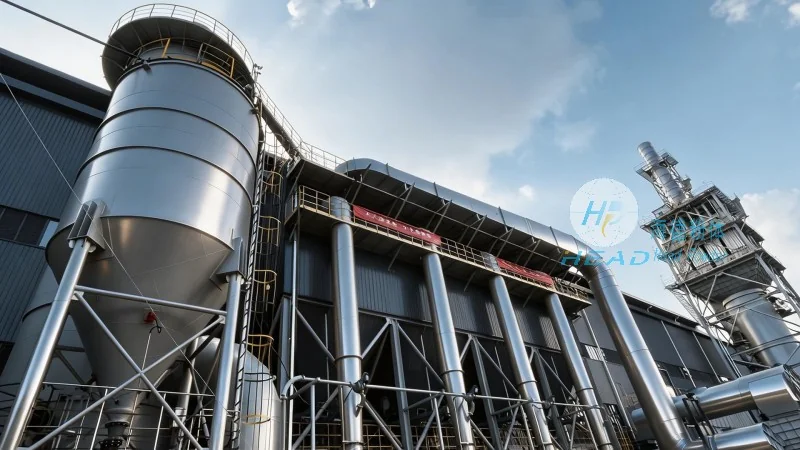
Gypsum powder, a widely used material in construction, industrial applications, and other sectors, requires specialized handling methods to ensure safety, efficiency, and product integrity. Pneumatic conveying, a technology that uses air to transport bulk materials, offers a robust solution for moving gypsum powder from storage to processing or packaging areas. Understanding the principle and working characteristics of this system is crucial for optimizing operations and maintaining product quality.
The core principle of pneumatic conveying for gypsum powder involves the use of a pressurized or vacuum system to transport the material through a pipeline. In a typical system, the gypsum powder is fed into a hopper, where it is then drawn into a conveying line by a fan or blower. The air flow creates a stream that carries the powder particles, ensuring they are transported without clogging or degradation. This method eliminates the need for mechanical components like belts or buckets, reducing maintenance and operational costs while improving safety by minimizing direct human contact with the material.
There are two primary types of pneumatic conveying systems used for gypsum powder: dilute-phase and dense-phase. Dilute-phase systems operate at higher air velocities, typically moving the powder in a dispersed state, suitable for short to medium distances. Dense-phase systems, on the other hand, use lower air velocities and higher material concentrations, making them ideal for longer distances or when handling more abrasive or sensitive materials. The choice between these systems depends on factors such as the distance to be covered, the volume of material to be transported, and the specific characteristics of the gypsum powder, including its moisture content and particle size.
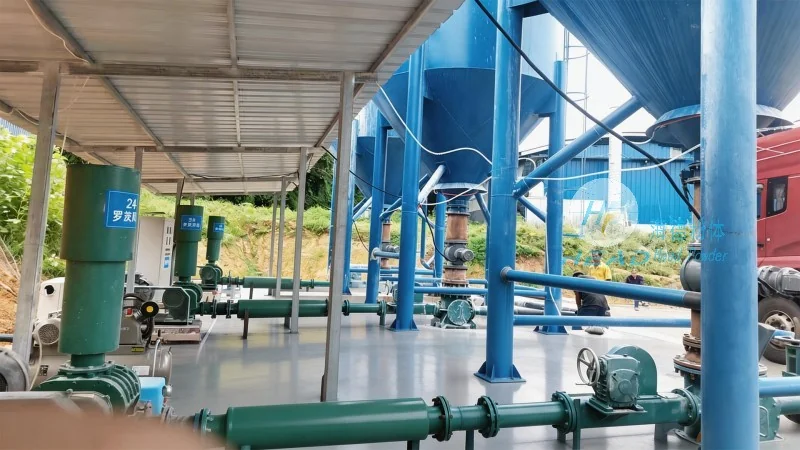
The working scene characteristics of pneumatic conveying for gypsum powder are tailored to meet the specific demands of industrial environments. These systems are designed to handle the unique properties of gypsum, such as its fine particle size, which can lead to dust formation and clogging if not managed properly. Advanced filtration and cleaning mechanisms are integrated into the system to prevent dust accumulation and maintain air quality, ensuring compliance with environmental regulations and workplace safety standards.
In industrial settings, the working scene of a gypsum powder pneumatic conveying system often involves integration with other processing equipment. For example, the system may connect the storage silo to a grinding or mixing unit, or from a packaging line to a shipping area. The design of the system, including the pipeline layout, valve placement, and control mechanisms, is optimized to ensure smooth material flow and minimal downtime. This integration is critical for maintaining production efficiency and meeting the high demands of modern manufacturing processes.
Gypsum powder pneumatic conveying systems are widely used in various industries, including construction, where they are employed in the production of drywall, plaster, and other building materials. In these applications, the system ensures that gypsum powder is transported efficiently from storage to production lines, reducing the risk of material loss and improving overall production throughput. The benefits of using pneumatic conveying in such scenarios include improved safety, as the material is handled in a closed system, and enhanced product quality, as the powder is protected from contamination and degradation.
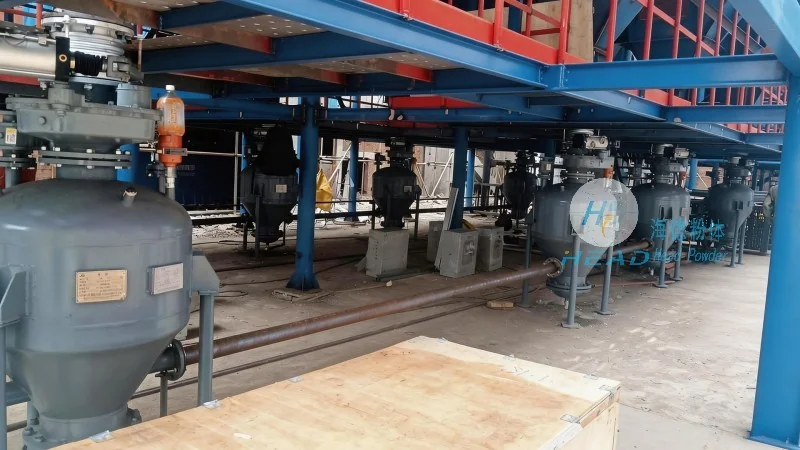
In industrial manufacturing, the system is also used in the processing of gypsum-based products, such as plasterboard and gypsum blocks. The ability to handle large volumes of material with minimal human intervention makes the system ideal for high-volume production environments. Additionally, the system's ability to maintain consistent material flow and pressure ensures that the final products meet the required specifications, reducing waste and improving profitability.
Another important application scenario is in the agricultural sector, where gypsum powder is used as a soil amendment. Pneumatic conveying systems are used to transport the powder from storage to application equipment, ensuring that the material is applied evenly and efficiently. The benefits in this sector include improved soil health and crop yields, as well as reduced labor costs and environmental impact due to the efficient handling of the material.
Overall, the working scene characteristics of gypsum powder pneumatic conveying systems are designed to address the specific challenges of handling this material. By leveraging advanced technology and engineering expertise, these systems provide reliable, efficient, and safe solutions for industries relying on gypsum powder. The integration of these systems with other processing equipment and the ability to handle varying material conditions make them a preferred choice for modern industrial applications.

 Shandong Headpowder Engineering Co., Ltd.
 156-6277-7102(Manager Zhang)
  0531-83386006
  Zhangqiu District, Jinan City, Shandong Province, China
telephone
WeChatconsult
top