With more than 10‑year industry experience, Shandong Headpowder delivers full‑service pneumatic‑conveying systems and blowers, undertaking nationwide turn‑key powder‑handling projects.
Pneumatic conveying is a widely used method for transporting bulk materials, including iron filings, through the use of air or gas as the conveying medium. This technology involves the creation of a pressure differential that propels the material through a pipeline system. The fundamental principle revolves around the interaction between the material particles and the flowing air, enabling efficient movement from the source to the destination. Understanding the underlying mechanics is crucial for optimizing the performance and reliability of iron filing pneumatic conveying systems.
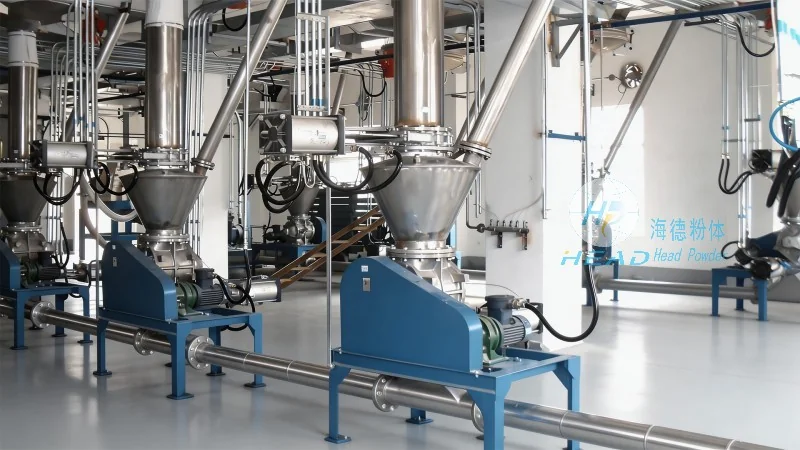
Iron filings, as a type of metal powder, possess specific physical and chemical properties that influence the design and operation of pneumatic conveying systems. These characteristics include particle size distribution, density, moisture content, and magnetic properties. For instance, the fine particle size of iron filings can lead to issues such as particle agglomeration or increased friction within the pipeline, which may affect the conveying efficiency. Additionally, the magnetic nature of iron filings may require specialized equipment, such as magnetic separators or magnetic filters, to prevent blockages and ensure smooth operation. The density of iron filings, typically around 7.8 g/cm³, contributes to the overall pressure drop and energy consumption during the conveying process. Proper consideration of these material properties is essential for selecting the appropriate conveying system and ensuring optimal performance.
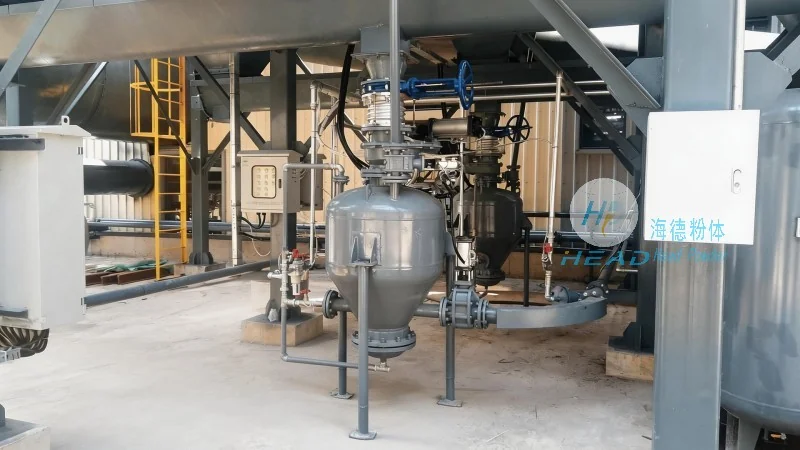
The application of iron filing pneumatic conveying spans various industrial sectors, including steel manufacturing, foundries, and recycling facilities. In steel mills, for example, iron filings are often generated as a byproduct of metal cutting and grinding processes. Pneumatic conveying systems are employed to transport these filings from the production line to storage silos or recycling units, facilitating the recovery and reuse of metal resources. In foundries, iron filings may be used as a raw material for the production of iron-based alloys or as a component in casting processes. The ability to transport iron filings efficiently over long distances or within complex plant layouts is critical for maintaining production continuity and minimizing downtime. Furthermore, in metal recycling operations, pneumatic conveying is utilized to move iron filings from sorting and processing stages to melting furnaces or other downstream equipment. The versatility of iron filing pneumatic conveying makes it suitable for both batch and continuous operation, adapting to the varying demands of industrial processes.
Modern iron filing pneumatic conveying systems offer several technical advantages that enhance operational efficiency and reliability. These include the ability to handle fine powders without the need for mechanical components that could cause wear or blockage, such as belts or buckets. The use of air as the conveying medium also allows for the integration of other processes, such as dust collection and material drying, within the same system. System design considerations for iron filing conveying typically involve the selection of appropriate pipeline materials, such as stainless steel or plastic, to resist corrosion and prevent contamination. The choice of conveying velocity and pressure is critical, as excessive velocity can lead to excessive energy consumption and particle degradation, while insufficient velocity may result in system blockages. Additionally, the incorporation of features like cyclone separators and filter bags helps to maintain air quality and protect downstream equipment from particulate buildup. Proper maintenance and monitoring of the system, including regular cleaning of filters and inspection of pipeline components, are essential for ensuring long-term performance and minimizing operational costs.
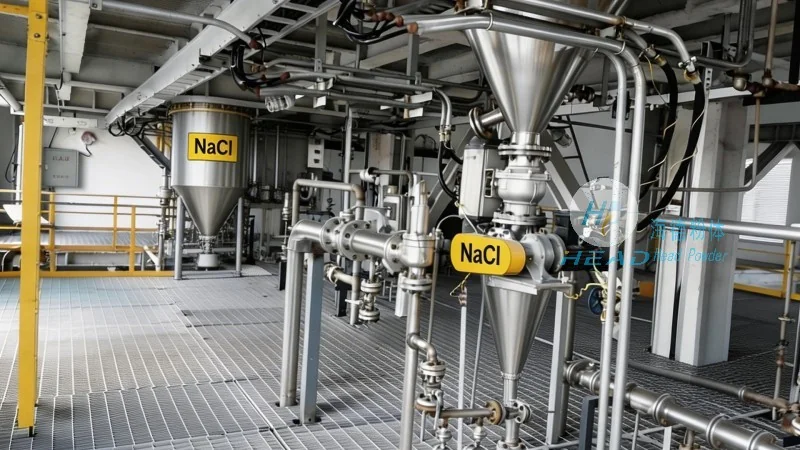
Shandong HeadPowder Engineering Co., Ltd., commonly known as headpowder, is a leading provider of pneumatic conveying solutions tailored to the unique needs of iron filing and other bulk material handling applications. With a focus on innovation and customer satisfaction, the company has developed advanced systems that address the challenges associated with iron filing transportation, such as particle agglomeration and magnetic properties. Headpowder's expertise lies in the design, manufacturing, and installation of customized pneumatic conveying systems, ensuring that clients receive solutions that are both efficient and reliable. The company's facilities are located in Shandong, China, where it leverages local resources and industry expertise to deliver high-quality products and services. By combining technical knowledge with practical experience, headpowder aims to support industrial clients in optimizing their material handling processes and improving overall operational performance.

 Shandong Headpowder Engineering Co., Ltd.
 156-6277-7102(Manager Zhang)
  0531-83386006
  Zhangqiu District, Jinan City, Shandong Province, China
telephone
WeChatconsult
top