With more than 10‑year industry experience, Shandong Headpowder delivers full‑service pneumatic‑conveying systems and blowers, undertaking nationwide turn‑key powder‑handling projects.
Stone aggregate material conveying lines are essential equipment in various industrial and construction applications, designed to efficiently transport bulk materials such as gravel, crushed stone, and other aggregates. The technology behind these systems combines mechanical engineering principles with practical operational design to ensure reliable and efficient material handling. This article explores the fundamental principles of stone aggregate conveyor systems and highlights the key characteristics of their working environments, providing insights into how these systems function and where they are typically applied.
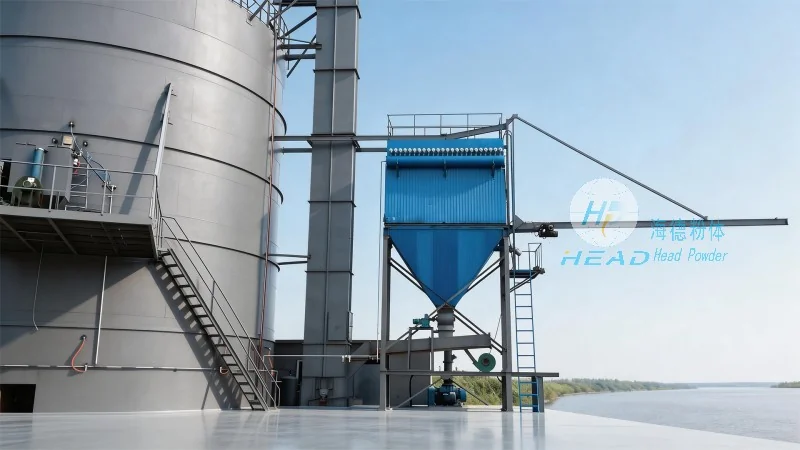
Stone aggregate material conveying lines, often referred to as conveyor systems, are engineered to move large volumes of bulk materials over short or long distances. These systems are widely used in industries like construction, mining, and road building, where the efficient transport of aggregates is critical for project timelines and operational efficiency. The core components of a typical stone aggregate conveyor system include a drive mechanism, conveyor belt or chain, idlers, pulleys, and a hopper or loading mechanism. Each component works in tandem to ensure smooth material flow from the source to the destination.
The operation of stone aggregate conveyors is based on the principles of mechanical power transmission and gravity-assisted movement. The drive mechanism, usually an electric motor connected to a gearbox, provides the necessary torque to rotate the drive pulley. This rotation pulls the conveyor belt or chain, which carries the stone aggregates forward. The idlers, positioned along the length of the conveyor, support the belt and maintain proper tension, preventing slippage or sagging. The pulleys, including the drive pulley and return pulley, guide the belt and ensure consistent movement. The hopper or loading chute at the inlet allows for the controlled feeding of aggregates, while the discharge point at the outlet directs the material to its final destination. The entire system is designed to minimize energy consumption while maximizing throughput, making it an efficient solution for bulk material handling.
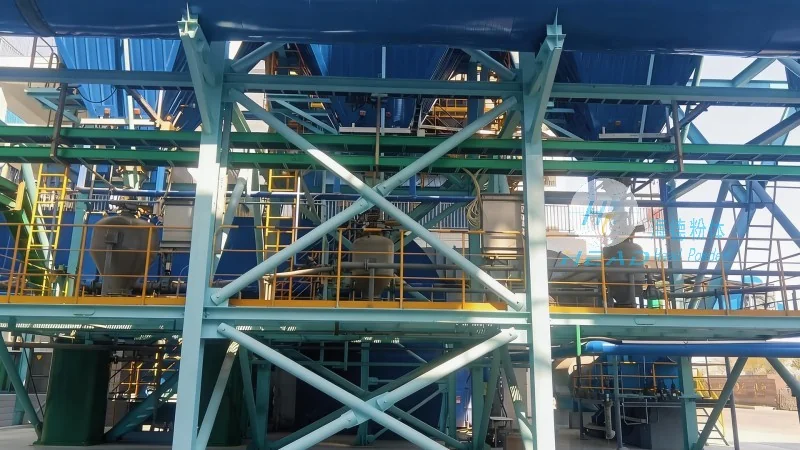
The working environment of stone aggregate conveyor systems varies significantly based on the application and industry. In construction sites, these systems are often used to transport aggregates from stockpiles to concrete mixing plants or to different construction zones. The working scene typically involves heavy-duty operation with high material volumes, requiring robust equipment that can withstand continuous use and potential abrasion from the stone aggregates. In mining operations, the conveyor systems may be part of a larger material handling network, moving crushed stone from crushers to storage or processing facilities. The working environment here may include harsh conditions such as dust, moisture, and varying temperatures, necessitating durable materials and weather-resistant components. Road construction projects also utilize stone aggregate conveyors to transport aggregates from quarries to roadbeds, where the system must operate in outdoor settings with varying weather conditions and potential obstacles. The key characteristics of these working scenes include high material throughput, continuous operation, and the need for reliable performance under demanding conditions.
The efficiency of stone aggregate conveyor systems is influenced by several factors, including the type of drive, belt speed, material characteristics, and system design. The drive mechanism, whether electric motor-driven or hydraulic, determines the power output and speed control. A properly sized motor ensures that the conveyor operates at optimal speed without excessive energy consumption. The belt or chain material is chosen based on the abrasiveness of the stone aggregates; for example, rubber belts are common for handling gravel and crushed stone due to their durability and grip. The idler spacing and pulley diameter also affect the conveyor's efficiency, as proper tension and alignment minimize friction and energy loss. Additionally, the hopper design and loading mechanism play a crucial role in preventing material spillage and ensuring consistent feeding, which directly impacts the system's throughput and operational stability.
Stone aggregate conveyor systems are integral to various industrial processes, serving as a critical link in material handling workflows. In the construction industry, these systems support the production of concrete, asphalt, and other building materials by ensuring a steady supply of aggregates. The ability to transport large volumes of stone aggregates quickly and reliably reduces downtime and improves overall project efficiency. In the mining sector, conveyor systems are part of the crushing and screening process, moving crushed stone from primary crushers to secondary processing units. This integration allows for a seamless flow of materials, enhancing the productivity of mining operations. Road construction projects also benefit from stone aggregate conveyors, as they facilitate the rapid delivery of aggregates to roadbeds, supporting the timely completion of infrastructure projects. The versatility of these systems makes them suitable for a wide range of applications, from small-scale construction sites to large-scale industrial operations.
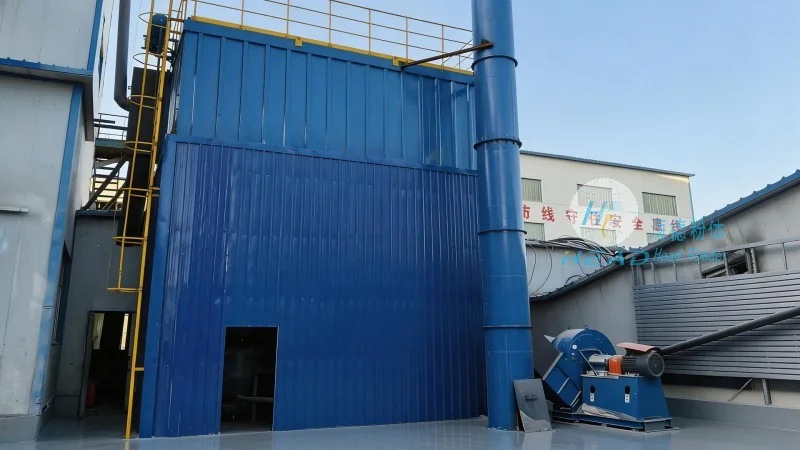
Regular maintenance is essential to ensure the long-term performance and reliability of stone aggregate conveyor systems. Key maintenance tasks include inspecting and replacing worn idlers and pulleys, checking belt tension and alignment, cleaning the hopper and conveyor path to prevent material buildup, and lubricating moving parts. Proper maintenance helps prevent breakdowns, reduces energy consumption, and extends the lifespan of the equipment. Operational considerations also include monitoring material flow rates, ensuring consistent feeding to avoid overloading or underloading the conveyor, and addressing any issues promptly to minimize downtime. The working environment, such as dust and debris, may require additional maintenance measures, such as regular cleaning of filters and ventilation systems to maintain air quality and prevent equipment damage. By adhering to a regular maintenance schedule and following operational guidelines, users can maximize the efficiency and lifespan of their stone aggregate conveyor systems.
Stone aggregate material conveying lines are sophisticated systems that combine mechanical engineering principles with practical design to efficiently transport bulk materials. The principles of operation, including drive mechanisms, conveyor components, and material handling, ensure reliable performance in various working environments. The key characteristics of these systems, such as high throughput, durability, and adaptability, make them essential equipment in industries like construction, mining, and road building. By understanding the principles and working scene characteristics of these systems, users can select and operate equipment that meets their specific needs, optimizing material handling processes and improving overall operational efficiency. The continued development of conveyor technology, with advancements in materials and control systems, will further enhance the performance and versatility of stone aggregate conveying lines, supporting the growth and efficiency of related industries.

 Shandong Headpowder Engineering Co., Ltd.
 156-6277-7102(Manager Zhang)
  0531-83386006
  Zhangqiu District, Jinan City, Shandong Province, China
telephone
WeChatconsult
top