With more than 10‑year industry experience, Shandong Headpowder delivers full‑service pneumatic‑conveying systems and blowers, undertaking nationwide turn‑key powder‑handling projects.
For industries dealing with cocoa powder, efficient and reliable material handling is crucial. The pneumatic conveying system offers a solution that combines technology with practical application, ensuring the safe and effective transport of cocoa powder from one location to another. This article explores the fundamental principles behind such systems and highlights the key characteristics of their operational environments.
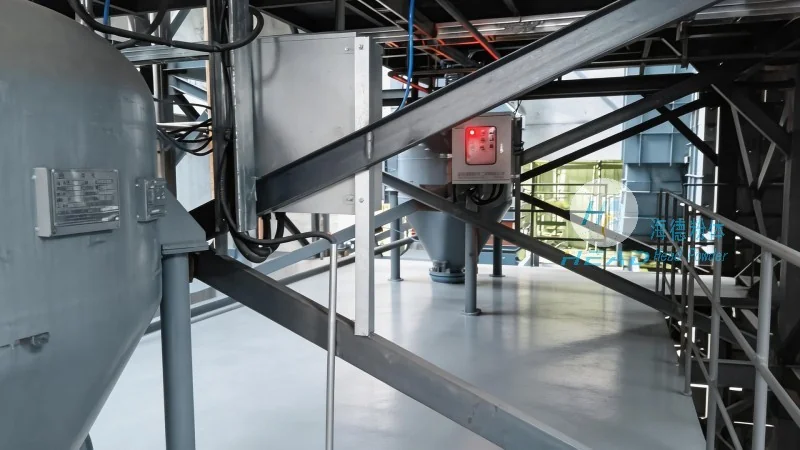
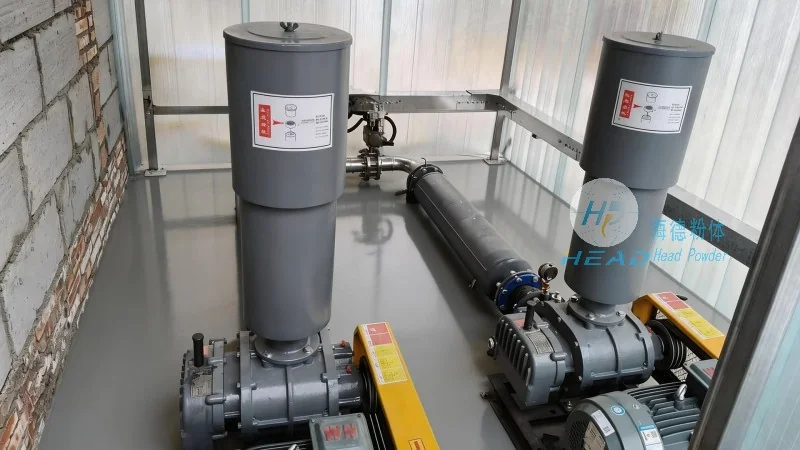
The core principle of a cocoa powder pneumatic conveying system is the use of air as the medium to transport particulate materials. In this system, a fan or blower generates a flow of air, which then draws or pushes the cocoa powder particles through a pipeline. The system typically operates under positive or negative pressure, depending on the specific design and application requirements. The air flow creates a pressure differential that moves the powder, allowing for seamless transfer without the need for mechanical components like belts or buckets. This method not only reduces the risk of contamination but also minimizes the wear and tear on equipment, making it ideal for handling sensitive materials like cocoa powder.
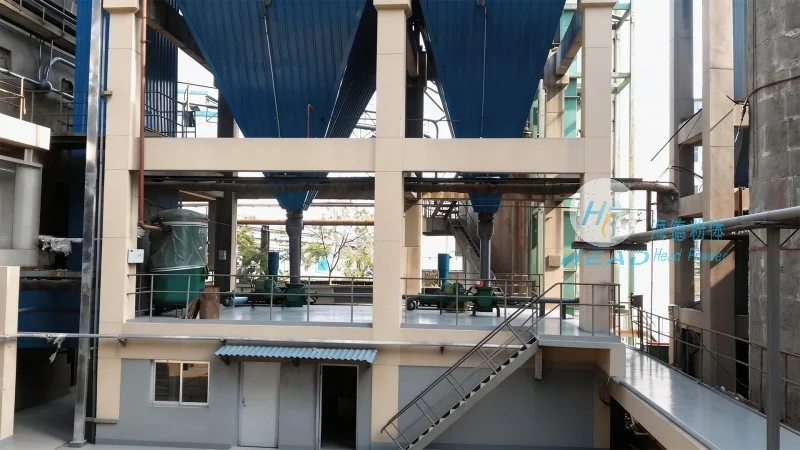
Several critical components work together to ensure the smooth operation of a cocoa powder pneumatic conveying system. The primary components include a blower or fan to generate the air flow, a hopper or feeder to introduce the cocoa powder into the system, a pipeline network to transport the material, and a receiver or discharge point to collect the powder at the destination. Additionally, filters and cyclones are often integrated to separate the air from the powder, ensuring that the air is clean and the powder remains dry and free from debris. The design of these components is tailored to handle the specific properties of cocoa powder, such as its fine particle size and potential for caking, which can affect the system's performance.
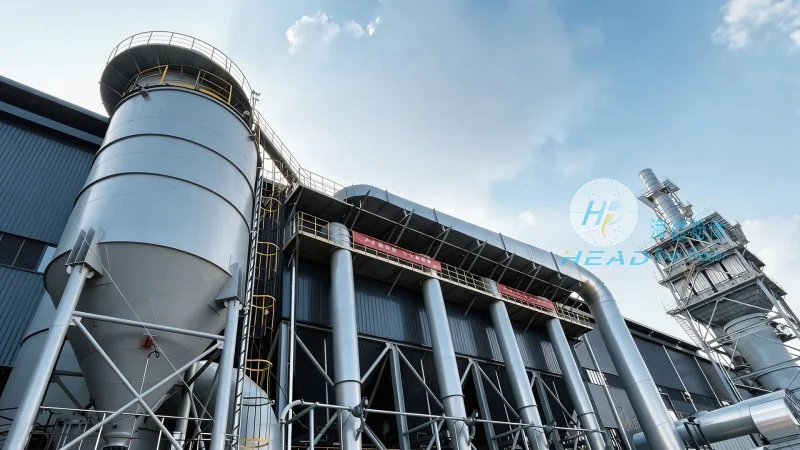
The operational environment of a cocoa powder pneumatic conveying system is characterized by several factors that influence its effectiveness. Firstly, the system is commonly used in industrial settings where large quantities of cocoa powder need to be moved between processing units, storage silos, or packaging lines. The flexibility of the pipeline system allows for easy reconfiguration to accommodate changes in production processes or layout adjustments. Secondly, the system operates in a controlled environment, often with temperature and humidity controls to maintain the quality of the cocoa powder. This is particularly important as cocoa powder is sensitive to moisture and temperature fluctuations, which can affect its flavor and texture. Thirdly, the system is designed for high efficiency and low maintenance, making it suitable for continuous operation in busy production facilities. The use of air as the transport medium also reduces the risk of cross-contamination, which is essential in food processing industries where hygiene standards are strictly enforced.
The application scenarios for cocoa powder pneumatic conveying systems are diverse and widespread across the food processing industry. In chocolate manufacturing, for example, the system is used to transport cocoa powder from storage silos to mixing and grinding equipment. This ensures a consistent supply of raw material, which is critical for maintaining product quality and meeting production demands. In confectionery production, the system can be used to move cocoa powder from the production line to packaging machines, reducing the need for manual handling and improving operational efficiency. Additionally, the system is suitable for use in small-scale or large-scale operations, making it adaptable to various production volumes. The benefits of using such a system include improved safety, reduced labor costs, and enhanced product quality, all of which contribute to increased profitability for the company.
Shandong HeadPowder Engineering Co., Ltd., operating under the brand name headpowder, is a leading provider of specialized engineering solutions for material handling in the food industry. With a focus on innovation and quality, the company has developed advanced pneumatic conveying systems tailored to the unique needs of cocoa powder and other fine particulate materials. Headpowder's expertise lies in designing systems that are not only efficient and reliable but also compliant with industry standards and regulations. The company's facilities are located in Shandong, China, where it leverages local resources and expertise to deliver high-quality products and services to clients worldwide. By combining technical knowledge with practical experience, headpowder has established itself as a trusted partner for businesses seeking to optimize their material handling processes.

 Shandong Headpowder Engineering Co., Ltd.
 156-6277-7102(Manager Zhang)
  0531-83386006
  Zhangqiu District, Jinan City, Shandong Province, China
telephone
WeChatconsult
top