With more than 10‑year industry experience, Shandong Headpowder delivers full‑service pneumatic‑conveying systems and blowers, undertaking nationwide turn‑key powder‑handling projects.
For food processing industries, efficient and hygienic material handling is crucial. Pneumatic conveying systems have emerged as a key solution, offering a reliable method to transport food materials with precision and minimal contamination. This article explores the working principle and key features of such systems, highlighting their applications and benefits in the food sector.
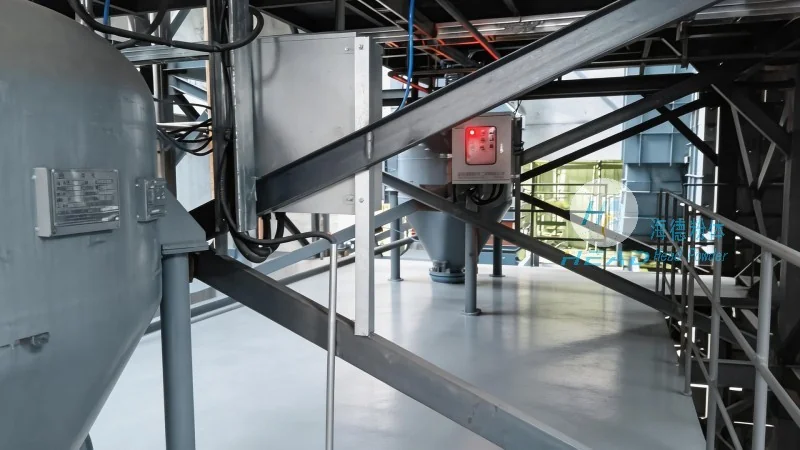
Pneumatic conveying systems operate by using compressed air or gas to move bulk materials through a network of pipes. The process typically involves several stages: material is introduced into a hopper or feeder, where it is then drawn into the conveying line by the air flow. The air, often mixed with the material in a specific ratio, creates a flow that propels the particles through the system. This method can be categorized into two main types: dilute phase and dense phase, each tailored to different material characteristics and transport requirements.
In dilute phase systems, the material is suspended in the air stream, allowing for high-speed transport over longer distances. This is ideal for materials that are light and free-flowing, such as powders or granules. Conversely, dense phase systems use a higher air-to-material ratio, resulting in a slower, more controlled flow that minimizes product degradation and ensures gentle handling. The choice between these systems depends on factors like material density, moisture content, and the need for product integrity.
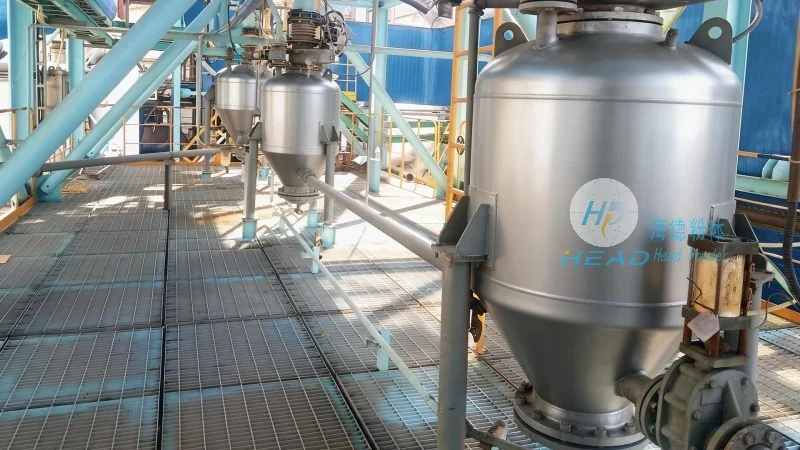
One of the primary advantages of pneumatic conveying systems is their hygienic design, which is essential in food processing environments. The enclosed piping and sealed components prevent contamination from external sources and reduce the risk of cross-contamination between different products. This feature aligns with stringent food safety regulations, making the system suitable for handling sensitive food items like spices, flour, and dairy products.
Efficiency is another significant benefit. Pneumatic conveying systems can transport materials over considerable distances with minimal energy consumption compared to traditional methods like belt conveyors or elevators. The ability to integrate multiple feeding and discharge points allows for flexible material flow, optimizing production lines and reducing downtime. Additionally, these systems are compact and can be installed in various layouts, making them adaptable to existing or new facility designs.
Environmental considerations also play a role in the adoption of pneumatic conveying systems. By eliminating the need for mechanical components like belts or chains, the risk of product contamination from lubricants or wear is minimized. The enclosed system also helps in controlling dust emissions, contributing to a cleaner and safer working environment. This makes the technology not only efficient but also environmentally responsible.
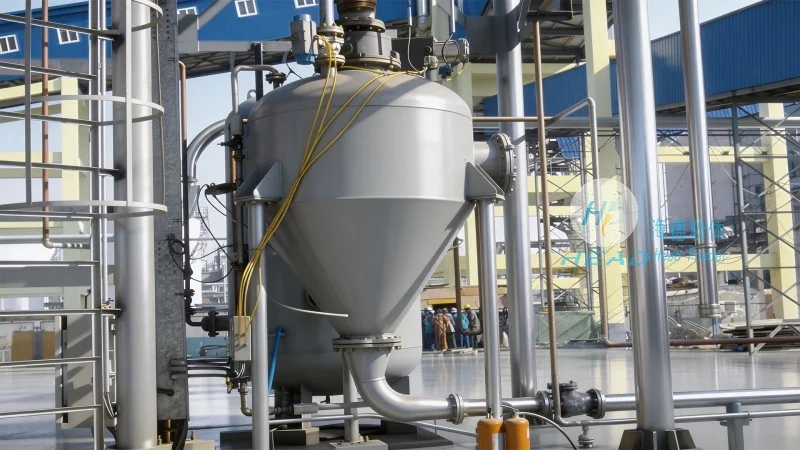
The versatility of pneumatic conveying systems allows for customization to meet the specific needs of different food applications. For instance, in the production of baked goods, the system can handle flour and sugar with precision, ensuring consistent mixing ratios. In the dairy industry, it can transport powdered milk or whey protein without compromising product quality. The ability to adjust air pressure and flow rates enables operators to fine-tune the system for each material type, ensuring optimal performance and product integrity.
Customization also extends to system components. Hoppers and feeders are designed to handle different material properties, such as moisture content or particle size, while filters and cyclones are integrated to maintain air quality and prevent system blockages. These components are typically made from food-grade materials like stainless steel, further enhancing the system's suitability for food processing.
Pneumatic conveying systems represent a sophisticated solution for the efficient and hygienic handling of food materials. Their ability to combine speed, flexibility, and product protection makes them indispensable in modern food processing operations. As the demand for high-quality, safe food products grows, the importance of reliable material handling systems like these continues to rise.
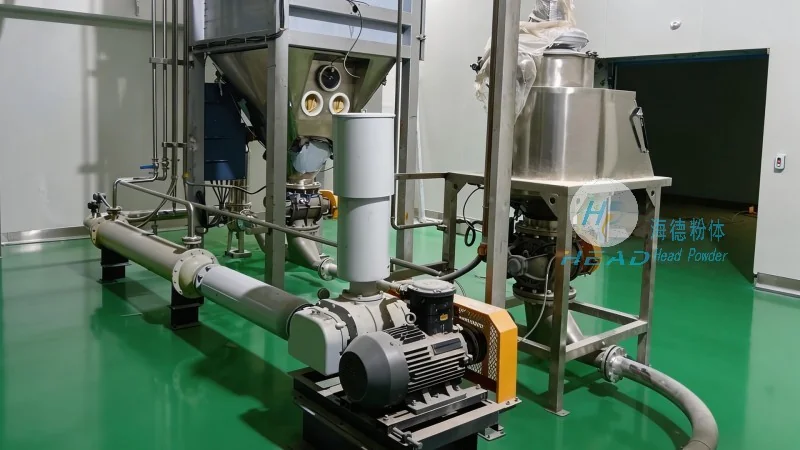
Shandong HeadPowder Engineering Co., Ltd., a leading provider in this field, specializes in designing and manufacturing pneumatic conveying systems tailored to the unique requirements of the food industry. With a focus on hygiene, efficiency, and durability, the company's solutions help food processing facilities achieve optimal performance while adhering to strict safety standards. HeadPowder's expertise in material handling technology ensures that their systems are not only effective but also sustainable, contributing to the overall success of food production operations.
Located in Shandong, China, HeadPowder leverages advanced engineering and manufacturing capabilities to deliver high-quality pneumatic conveying systems that meet the evolving needs of the food processing sector. Their commitment to innovation and customer satisfaction has established them as a trusted partner in the industry, providing reliable solutions for material handling challenges.

 Shandong Headpowder Engineering Co., Ltd.
 156-6277-7102(Manager Zhang)
  0531-83386006
  Zhangqiu District, Jinan City, Shandong Province, China
telephone
WeChatconsult
top