With more than 10‑year industry experience, Shandong Headpowder delivers full‑service pneumatic‑conveying systems and blowers, undertaking nationwide turn‑key powder‑handling projects.
For industries dealing with bulk sugar handling, an efficient and reliable sugar material conveying line is crucial for maintaining production efficiency and product quality. This article will delve into the working principle and key features of such systems, providing insights into how they operate and why they are essential in modern sugar processing facilities.
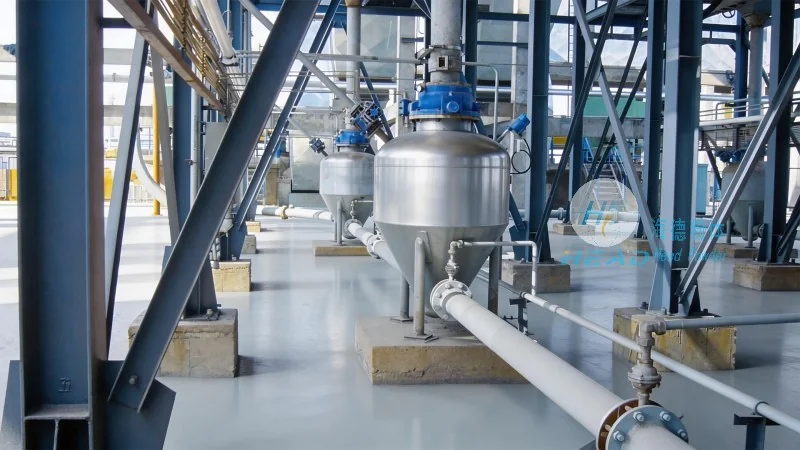
The core working principle of a sugar material conveying line revolves around the seamless transfer of raw or processed sugar from one processing stage to another. These systems typically integrate various components, including feeders, conveyors, and control mechanisms, to ensure a continuous and controlled flow of material. The process begins with the sugar being fed into the system, often through a hopper or storage silo. From there, it is transported via conveyor belts, screw conveyors, or pneumatic systems to the next processing unit, such as a grinder, dryer, or packaging machine.
Key to the efficiency of these lines is the integration of sensors and control systems. Modern sugar conveying lines are equipped with level sensors, flow meters, and pressure monitors that provide real-time data on the material's movement. This allows operators to adjust the system parameters dynamically, ensuring optimal performance and preventing issues like blockages or overloading. The control system may also include automation features, enabling remote monitoring and operation, which enhances safety and reduces human error in the handling of sugar materials.
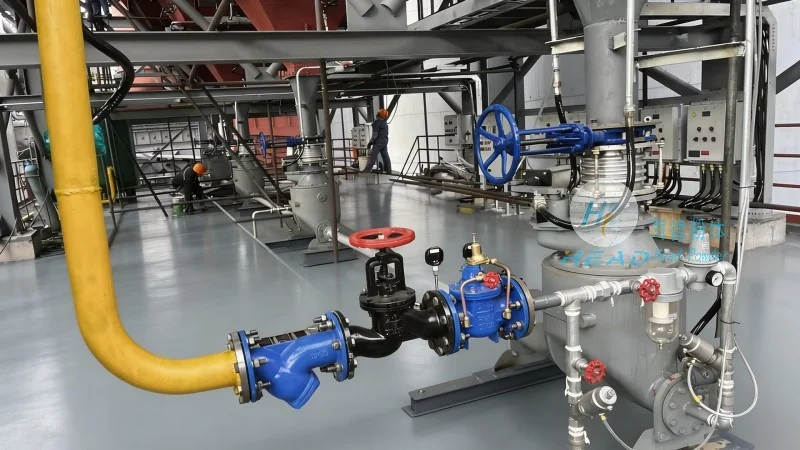
When evaluating sugar material conveying lines, several features stand out as critical for their performance and suitability in industrial settings. These features are designed to address the unique challenges of handling sugar, such as its hygroscopic nature, tendency to clump, and the need for hygienic and efficient processing.
Firstly, the design of the conveying system prioritizes hygiene and material compatibility. Components such as hoppers, conveyors, and valves are often made from stainless steel or other corrosion-resistant materials, which are easy to clean and maintain. This is essential for preventing contamination and ensuring compliance with food safety regulations. Additionally, the system may incorporate features like self-cleaning mechanisms or sealed designs to minimize the risk of dust or moisture ingress.
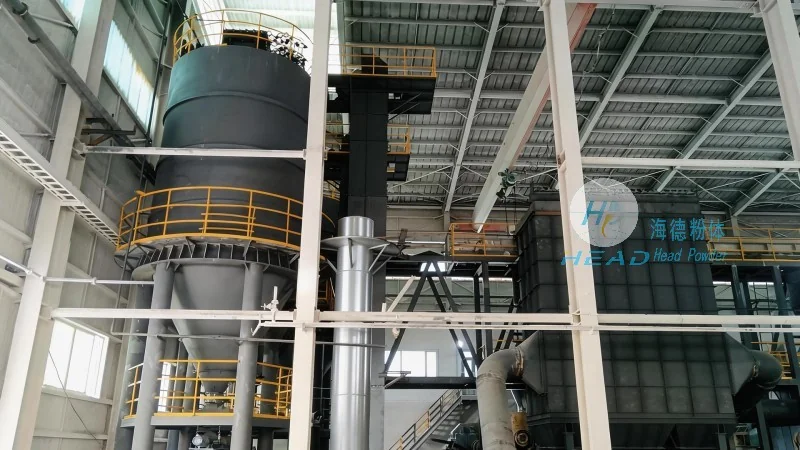
Secondly, the conveying capacity and speed are tailored to meet the specific production demands of the sugar processing facility. The line can be customized to handle varying volumes of sugar, from small batches to large-scale continuous operations. This flexibility allows manufacturers to scale their production without compromising on efficiency. The use of variable speed drives and adjustable feed rates further enhances the system's adaptability, enabling it to match the processing speed of downstream equipment.
Thirdly, the system's durability and low maintenance requirements are significant advantages. Sugar conveying lines are built to withstand the abrasive nature of sugar particles and the potential for moisture exposure. High-quality bearings, robust conveyor belts, and corrosion-resistant materials contribute to a longer service life and reduced downtime. This not only lowers operational costs but also ensures consistent performance over extended periods.
Sugar material conveying lines are widely used across various stages of sugar production, from raw sugar handling to refined sugar packaging. In the raw sugar processing stage, the line efficiently transports sugar beets or cane into the processing plant, where they are crushed and processed into raw sugar. During the refining process, the conveying line moves refined sugar from one stage to another, such as from the crystallization tank to the drying machine. Finally, in the packaging stage, the line delivers the final product to the packaging units, ensuring a smooth and continuous supply of sugar for distribution.
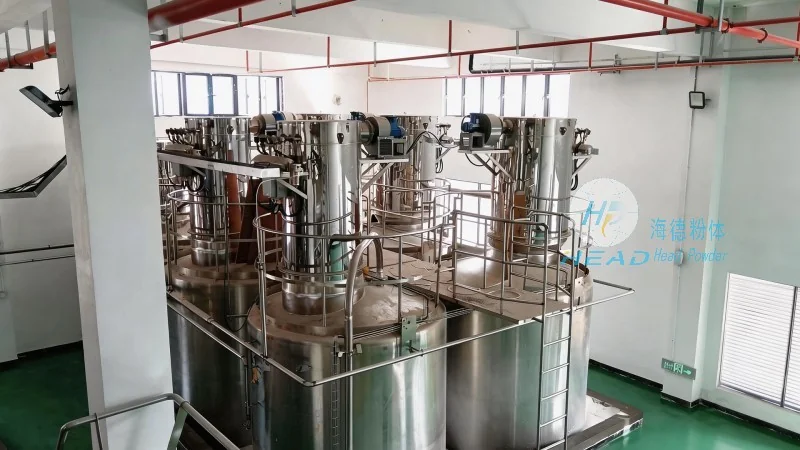
The benefits of using a well-designed sugar material conveying line extend beyond mere efficiency. By maintaining a consistent flow of material, the system helps reduce processing time and energy consumption. It also minimizes material loss and contamination, which directly impacts the overall product quality and profitability. Furthermore, the automation and control features of modern systems enhance safety in the workplace by reducing the need for manual handling of bulk sugar, thereby minimizing the risk of accidents.
In conclusion, the working principle and features of sugar material conveying lines are integral to the smooth operation of sugar processing facilities. By understanding how these systems function and the advantages they offer, manufacturers can make informed decisions when selecting or upgrading their conveying equipment. The integration of advanced control systems, hygienic design, and customizable capacity ensures that sugar material conveying lines meet the demanding requirements of modern sugar production, contributing to higher productivity and product quality.

 Shandong Headpowder Engineering Co., Ltd.
 156-6277-7102(Manager Zhang)
  0531-83386006
  Zhangqiu District, Jinan City, Shandong Province, China
telephone
WeChatconsult
top