

Working Principle and Features of Carbon Material Handling Systems
Shandong HeadPowder Engineering Co., Ltd., commonly known as HeadPowder, is a leading provider of specialized engineering solutions for the carbon industry. With a strong presence in China, particularly in Shandong province, the company specializes in designing and manufacturing efficient carbon material handling systems. These systems are crucial for the smooth operation of carbon production and processing facilities, ensuring optimal material flow and reliability in industrial applications.
Working Principle of Carbon Material Handling Systems
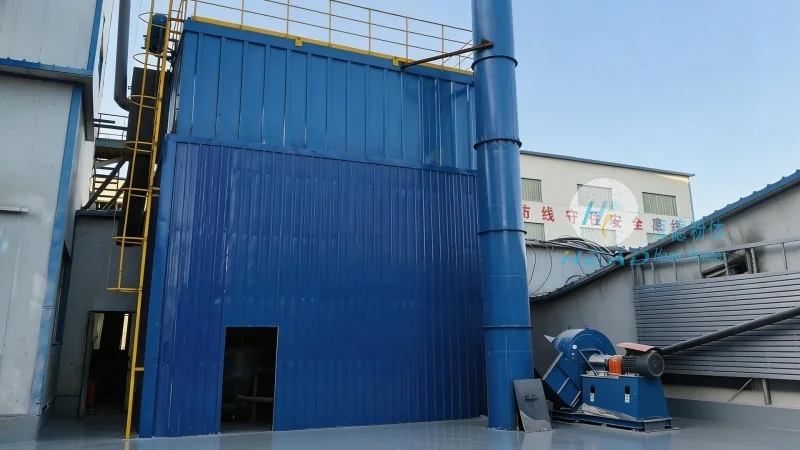
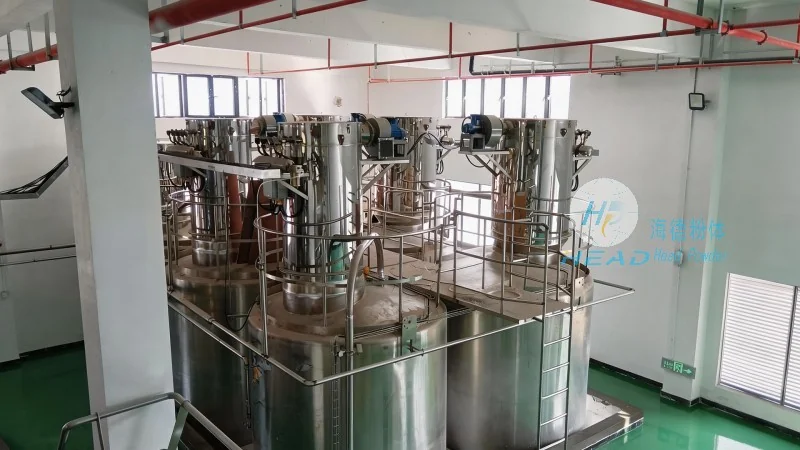
The core of a carbon material handling system lies in its ability to transport various carbon-based materials, such as graphite, carbon black, and other powders or bulk materials, from one processing stage to another. The system typically consists of several key components, including feeders, conveyors, storage silos, and control units. The working principle involves the following steps: first, raw carbon materials are fed into the system via hoppers or bulk containers. Then, a feeder, often a rotary or vibratory type, regulates the material flow to maintain consistent feeding rates. Next, the material is transported through conveyor belts, screw conveyors, or pneumatic systems to the next processing unit. Storage silos are used to hold large quantities of materials, ensuring a steady supply to the production line. Control units monitor and adjust the system parameters in real-time, optimizing performance and preventing issues like blockages or overloading. This integrated approach ensures that carbon materials are handled safely and efficiently, meeting the demands of modern industrial processes.
Key Features of Carbon Material Handling Systems
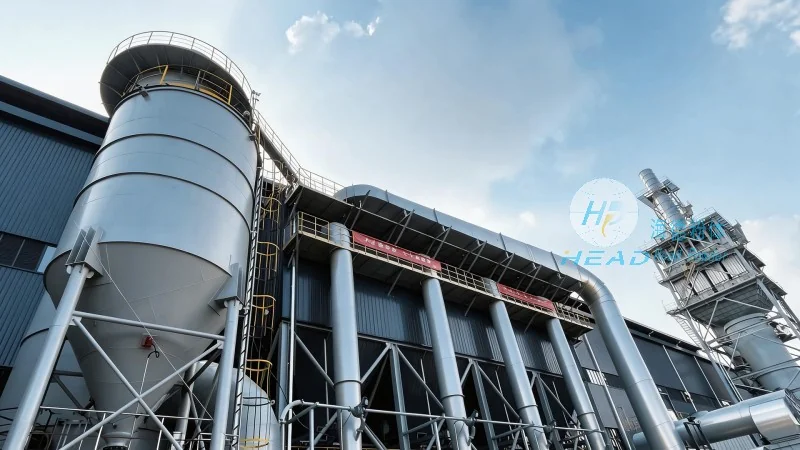
Carbon material handling systems developed by HeadPowder are characterized by several advanced features that enhance their performance and reliability. One of the primary features is the use of high-quality, durable materials for construction, such as stainless steel and corrosion-resistant alloys, which are essential for handling abrasive carbon powders. The systems are designed with low maintenance in mind, incorporating easy-to-clean components and accessible maintenance points to reduce downtime. Another significant feature is the integration of advanced control technologies, including PLC (Programmable Logic Controller) systems and sensors, which provide real-time monitoring of material levels, flow rates, and system health. This allows for immediate adjustments and predictive maintenance, minimizing operational disruptions. Additionally, the systems are engineered for energy efficiency, utilizing variable speed drives and optimized conveyor designs to reduce power consumption while maintaining high throughput. The modular design of these systems also enables flexibility, allowing for easy expansion or modification to accommodate changing production needs. These features collectively contribute to the overall efficiency, safety, and longevity of the carbon material handling systems, making them a preferred choice for industrial applications.
Applications and Benefits in the Carbon Industry
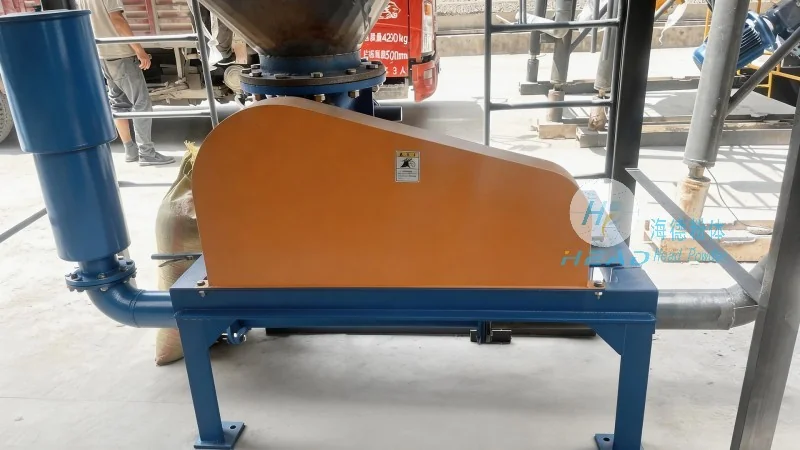
Carbon material handling systems are widely used in various applications within the carbon industry, including the production of graphite electrodes, carbon fibers, and other carbon-based products. The systems play a critical role in ensuring that raw materials are transported efficiently from storage to processing equipment, such as mixers, extruders, and furnaces. By maintaining consistent material flow, these systems help to improve the quality and consistency of the final products. The benefits of using such systems extend beyond operational efficiency; they also contribute to workplace safety by reducing manual handling of heavy or hazardous materials. Furthermore, the advanced control features help in maintaining compliance with environmental regulations by minimizing dust emissions and optimizing material usage. The reliability of these systems ensures that production lines can operate continuously with minimal interruptions, leading to increased productivity and cost savings for manufacturers. In summary, carbon material handling systems are essential for modern carbon production facilities, providing the foundation for efficient and sustainable operations.