

[WOKING PRINCIPLE AND FEATURES OF MAGNESIUM SILICATE POWDER HANDLING SYSTEMS]
For industrial applications involving magnesium silicate powders, efficient and reliable handling systems are crucial. These systems are designed to manage the unique properties of magnesium silicate, ensuring smooth material flow and operational safety. This article explores the working principle and key features of such powder handling systems, providing insights into their design and functionality.
Understanding the Working Principle of Magnesium Silicate Powder Handling Systems
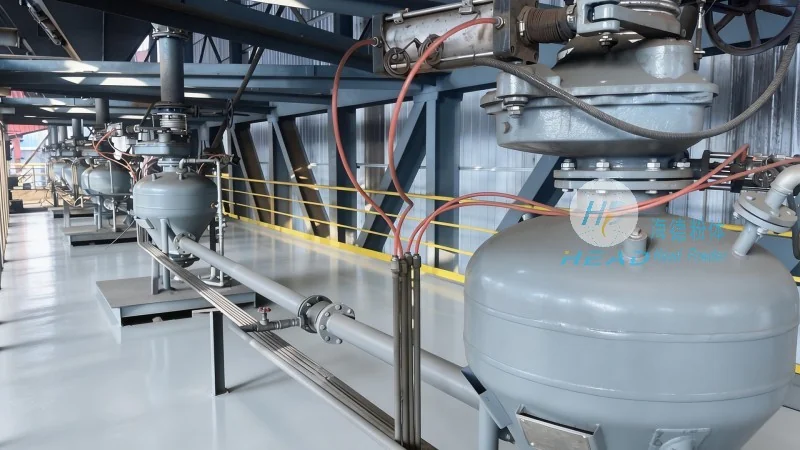
The working principle of a magnesium silicate powder handling system typically involves a combination of equipment and processes tailored to the material's characteristics. Magnesium silicate, often used in various industrial applications such as refractory materials, coatings, and catalysts, presents challenges due to its fine particle size and potential for dust generation. The system's core components generally include feeders, conveyors, and control mechanisms that work in tandem to move the powder from storage to processing or packaging areas.
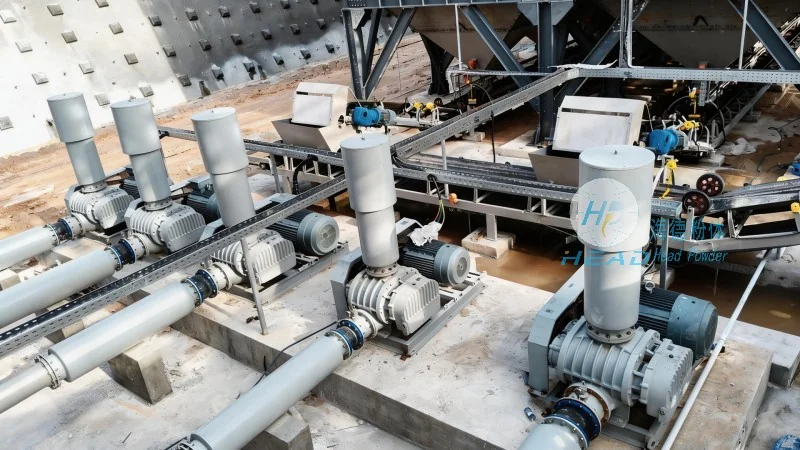
Feeding mechanisms, such as rotary valves or vibratory feeders, are commonly employed to regulate the flow rate of magnesium silicate. These devices ensure consistent material delivery, preventing overloading or underflow that could disrupt downstream processes. Conveying systems, including pneumatic or mechanical conveyors, transport the powder through pipelines or open chutes. Pneumatic conveyors use air pressure to move the powder, which is effective for fine powders like magnesium silicate, minimizing particle degradation and contamination. Mechanical conveyors, such as belt or screw conveyors, are also used, especially in applications requiring higher material throughput or where dust control is critical.
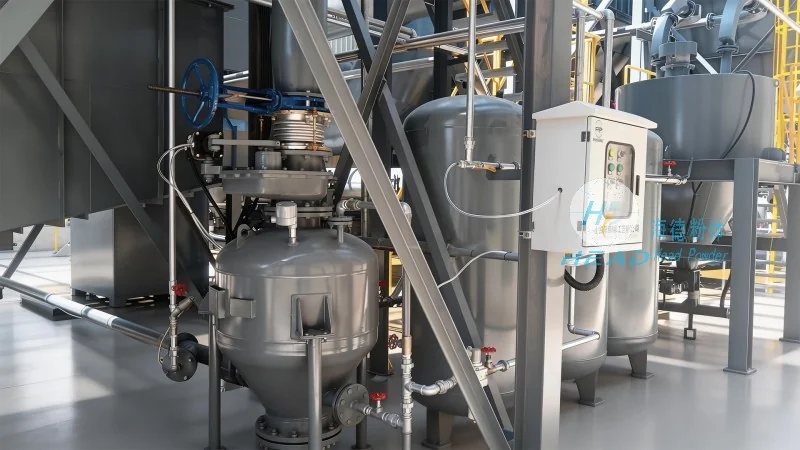
Control systems play a vital role in maintaining the efficiency and safety of the powder handling process. Sensors and monitoring devices track the flow rate, pressure, and temperature of the material, providing real-time data to operators. This allows for immediate adjustments to the system, ensuring optimal performance and preventing issues like blockages or overpressure. Additionally, the system may incorporate dust collection and filtration equipment to comply with environmental regulations and protect personnel from inhalation hazards.
Key Features of Magnesium Silicate Powder Handling Systems
Several key features distinguish effective magnesium silicate powder handling systems, contributing to their performance and reliability. One of the primary features is the ability to handle fine, cohesive powders without clogging or bridging. This is achieved through specialized equipment designs, such as high-capacity feeders with adjustable speed controls and anti-caking agents that prevent particle agglomeration.
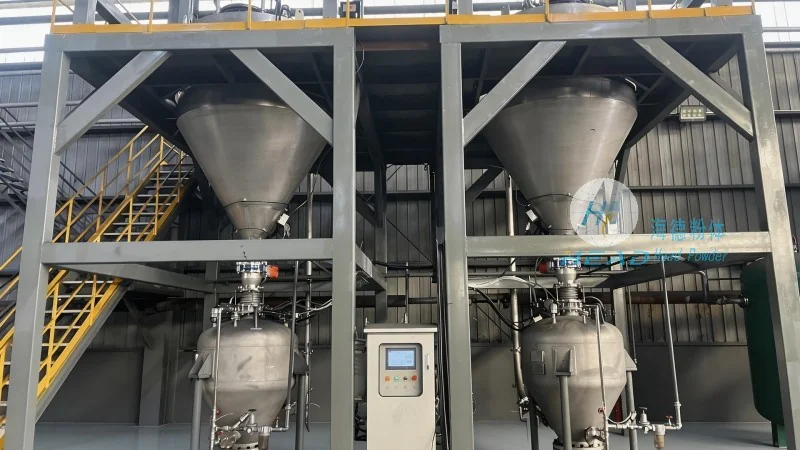
Another critical feature is the system's adaptability to varying material properties. Magnesium silicate can have different moisture contents, particle sizes, and flow characteristics depending on the source and processing method. The handling system must be flexible enough to accommodate these variations, ensuring consistent performance across different batches. This adaptability is often achieved through modular components that can be adjusted or replaced as needed, reducing downtime and maintenance costs.
Efficiency and energy consumption are also important considerations. Modern powder handling systems are designed to minimize energy use while maximizing material throughput. Features such as variable speed drives, optimized conveyor designs, and efficient dust collection systems contribute to lower operational costs and reduced environmental impact. Additionally, the system's ability to integrate with other industrial processes, such as batching or mixing, enhances overall operational efficiency.
Reliability and safety are paramount in industrial powder handling. The system must be built to withstand the abrasive nature of magnesium silicate and resist corrosion from moisture or chemicals. Materials like stainless steel and high-grade plastics are commonly used for components that come into direct contact with the powder, ensuring durability and preventing contamination. Safety features, including emergency stop buttons, pressure relief valves, and dust explosion prevention measures, are integrated to protect personnel and equipment from potential hazards.
About Shandong HeadPowder Engineering Co., Ltd.
As a leading manufacturer of specialized powder handling equipment, Shandong HeadPowder Engineering Co., Ltd. specializes in providing tailored solutions for industrial applications involving magnesium silicate and other fine powders. With years of experience in the field, the company has developed advanced systems that address the unique challenges of handling magnesium silicate, ensuring high performance and reliability.
HeadPowder's expertise lies in designing and manufacturing equipment that meets the specific needs of clients, from small-scale operations to large industrial facilities. The company's commitment to quality and innovation has earned it a reputation for delivering durable, efficient, and safe powder handling systems. Based in Shandong, China, HeadPowder leverages local manufacturing capabilities and global expertise to serve clients worldwide, providing comprehensive support from system design to installation and maintenance.