

What is Glass Cullet Material Pneumatic Conveying Equipment? Understanding Its Design Principles
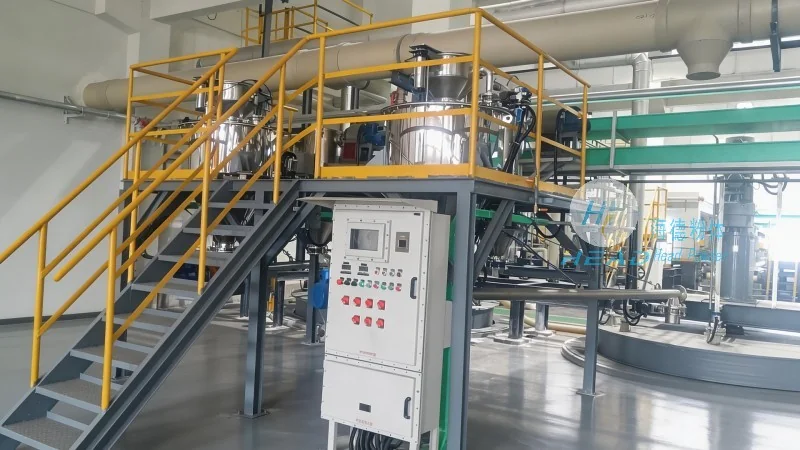
Glass cullet, the recycled glass material, is a crucial component in the glass manufacturing industry. Efficient handling and transportation of this material are essential for maintaining the smooth operation of glass production lines. Pneumatic conveying equipment offers a reliable solution for transporting glass cullet, ensuring minimal contamination and optimal performance. This article delves into the specifics of glass cullet material pneumatic conveying equipment, exploring its design principles and applications.
Understanding the Role of Pneumatic Conveying in Glass Cullet Handling
Before diving into the design principles, it's important to understand why pneumatic conveying is preferred for glass cullet. Unlike traditional methods like belt conveyors or bucket elevators, pneumatic systems use air to move the material through a pipeline. This approach minimizes the risk of contamination, as the material remains enclosed within the system. Additionally, pneumatic conveying can handle fine or irregularly shaped glass cullet particles, making it suitable for various processing stages.
Key Design Principles of Glass Cullet Pneumatic Conveying Equipment
The design of glass cullet pneumatic conveying equipment is centered on several critical principles to ensure efficiency and durability. First, the system must be capable of handling the specific properties of glass cullet, such as its density, particle size, and moisture content. The pipeline design, including the diameter and material of the pipes, is tailored to prevent blockages and ensure consistent flow. Second, the air velocity and pressure are carefully controlled to maintain a stable conveying rate. High air velocity can lead to excessive energy consumption and wear on components, while low velocity may cause material deposition. Third, the equipment incorporates features like cyclones and filters to separate the glass cullet from the air stream, ensuring the material remains clean and free from dust or debris.
Components and Their Functions in the Conveying System
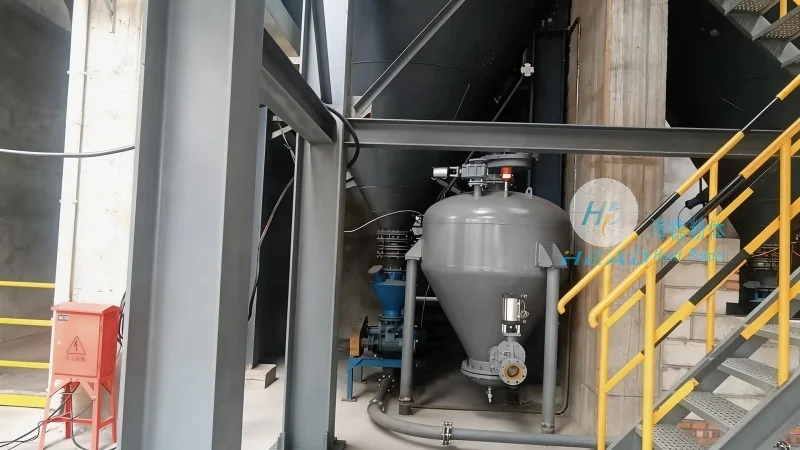
A typical glass cullet pneumatic conveying system consists of several key components, each playing a vital role in the overall operation. The feed hopper is responsible for introducing the glass cullet into the system, ensuring a consistent flow of material. The air compressor generates the necessary pressure to move the material through the pipeline. The pipeline network, made from materials like stainless steel or PVC, transports the glass cullet from the feed point to the discharge point. The cyclone separator, located at the end of the pipeline, separates the glass cullet from the air by using centrifugal force. The filter system then cleans the air before it is released back into the environment, ensuring compliance with environmental regulations. Finally, the discharge hopper collects the glass cullet for further processing.
Advantages of Using Glass Cullet Pneumatic Conveying Equipment
Implementing a pneumatic conveying system for glass cullet offers numerous advantages over traditional methods. One of the primary benefits is the reduction in labor costs, as the system automates the material handling process. Additionally, the enclosed design minimizes dust and noise pollution, creating a safer working environment. The system also reduces material loss and contamination, which is critical for maintaining the quality of the glass product. Furthermore, pneumatic conveying systems are flexible and can be easily integrated into existing production lines, allowing for scalability and adaptability.
About Shandong HeadPowder Engineering Co., Ltd.
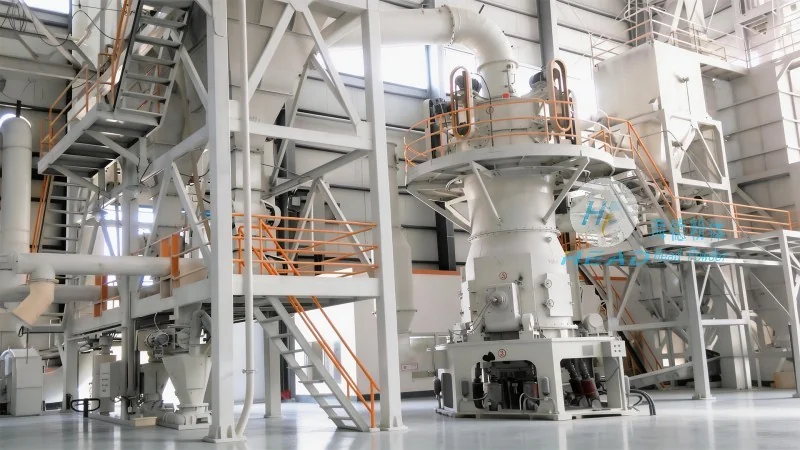
Shandong HeadPowder Engineering Co., Ltd., commonly known as HeadPowder, is a leading manufacturer of industrial conveying equipment. With a strong focus on innovation and quality, the company specializes in designing and manufacturing pneumatic conveying systems tailored to the needs of various industries, including glass manufacturing. HeadPowder's team of experienced engineers and technicians work closely with clients to understand their specific requirements and develop customized solutions that meet their operational and budgetary needs. The company's commitment to excellence is reflected in its state-of-the-art manufacturing facilities and rigorous quality control processes, ensuring that every product meets the highest standards of performance and reliability.
Conclusion
Glass cullet material pneumatic conveying equipment is a vital component in modern glass production, offering efficient and reliable transportation of recycled glass material. By understanding the design principles and components of such systems, manufacturers can optimize their operations and improve overall productivity. With the expertise and experience of companies like Shandong HeadPowder Engineering Co., Ltd., the glass industry can continue to benefit from advanced conveying solutions that enhance efficiency and sustainability.