

What is Negative Pressure Material Pneumatic Conveying? And What Are Its Design Principles?
Negative pressure material pneumatic conveying is a sophisticated method used in industrial processes to transport bulk materials through a pipeline system using a vacuum or reduced pressure environment. This technology is widely adopted across various industries due to its efficiency, flexibility, and ability to handle a wide range of materials, from powders to granules. The core of this system lies in the creation of a pressure differential that draws material from a source into a conveying line and transports it to a destination, often under controlled conditions to maintain material integrity and process efficiency.
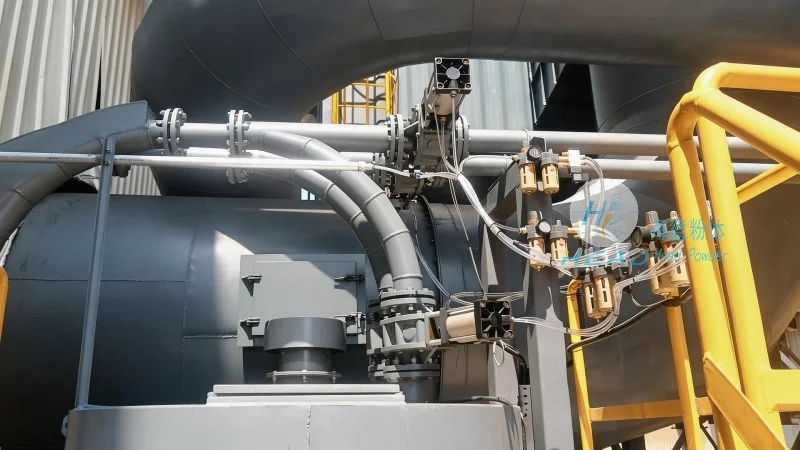
Key Components and Working Principle of Negative Pressure Conveying Systems
The design of a negative pressure pneumatic conveying system involves several critical components that work in tandem to achieve effective material transport. The primary components include a vacuum pump or fan, a material feed hopper, a conveying line (often equipped with bends and filters), and a discharge unit. The process begins when the vacuum pump reduces the pressure inside the conveying line, creating a negative pressure relative to the ambient air. As a result, material from the feed hopper is drawn into the line and carried along by the airflow. The system is designed to maintain a consistent flow rate and pressure, ensuring that the material is transported without clogging or degradation.
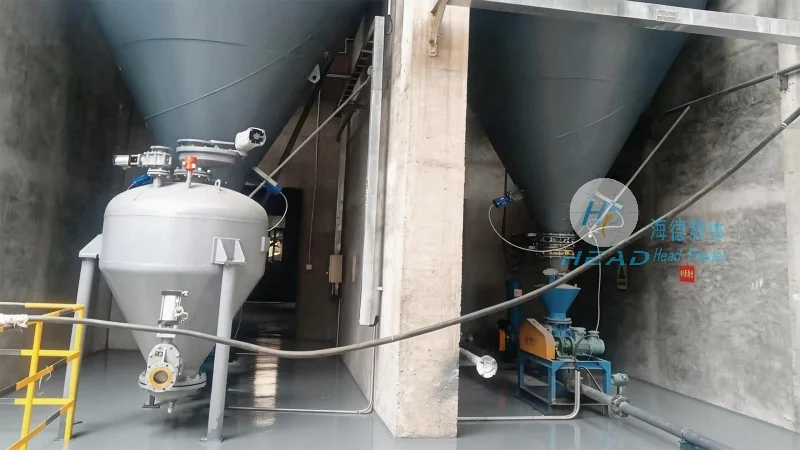
Design Principles for Optimal Performance in Negative Pressure Conveying
Designing an effective negative pressure material conveying system requires careful consideration of several key principles to ensure reliability, efficiency, and longevity. One of the fundamental principles is maintaining a consistent pressure differential. The pressure drop across the system must be sufficient to overcome the resistance of the conveying line, bends, and filters while still providing enough velocity to move the material. This often involves selecting the appropriate vacuum pump capacity and line diameter to match the material's properties and the required conveying distance. Another critical principle is the selection of suitable materials for the conveying line and components. Since the system operates under negative pressure, the materials must be resistant to corrosion and wear, especially when handling abrasive or corrosive substances. Additionally, the design must incorporate proper filtration to prevent material buildup and maintain system performance. The feed hopper and discharge unit are also designed to minimize material degradation and ensure smooth transfer, often incorporating features like vibration or air-assisted feeding to improve material flow.
Applications and Benefits of Negative Pressure Material Pneumatic Conveying
Negative pressure pneumatic conveying is utilized in numerous industrial applications where material transport needs to be efficient, hygienic, and safe. Industries such as pharmaceuticals, food processing, chemicals, and minerals rely on this technology to handle sensitive materials that require minimal exposure to air or contamination. The benefits of negative pressure conveying include reduced material degradation due to lower air exposure, improved safety by containing dust and particles, and the ability to transport materials over long distances with minimal maintenance. Additionally, the system can be integrated with other process equipment, such as mixers or reactors, to create a seamless material handling workflow. The flexibility of negative pressure systems allows them to be adapted to various material types and process requirements, making them a versatile solution for industrial material transport needs.
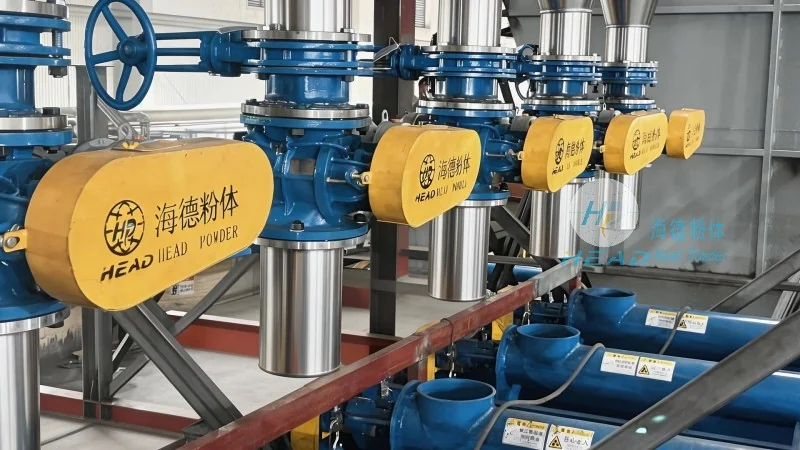
About Shandong HeadPowder Engineering Co., Ltd.
Shandong HeadPowder Engineering Co., Ltd., commonly known as HeadPowder, is a leading provider of advanced material handling solutions, specializing in the design, manufacturing, and installation of pneumatic conveying systems. With a strong commitment to innovation and quality, HeadPowder has established itself as a trusted partner in the industry, delivering customized solutions tailored to the unique needs of each client. The company's expertise lies in understanding the complexities of material transport and developing systems that optimize performance while ensuring reliability and durability. HeadPowder's team of engineers and technicians work closely with clients to assess their material handling challenges and propose effective solutions, leveraging years of experience in the field. The company's facilities are equipped with state-of-the-art technology and adheres to strict quality standards to ensure that every system meets the highest industry benchmarks. HeadPowder's dedication to customer satisfaction and technical excellence has made it a preferred choice for businesses seeking reliable and efficient material handling solutions.