

What is a Silicate Powder Pneumatic Conveying Machine? And What Are Its Design Principles?
For industries dealing with silicate powders, the efficient and reliable transportation of these materials is a critical concern. Silicate powders, such as those derived from minerals like quartz, feldspar, or kaolin, are widely used in manufacturing processes across various sectors, including ceramics, glass, and construction. The traditional methods of handling these powders often involve complex and labor-intensive operations, leading to challenges like dust pollution, material loss, and operational inefficiencies. To address these issues, the silicate powder pneumatic conveying machine has emerged as a sophisticated solution, combining advanced engineering with the principles of pneumatic transport to ensure safe, clean, and efficient material handling.
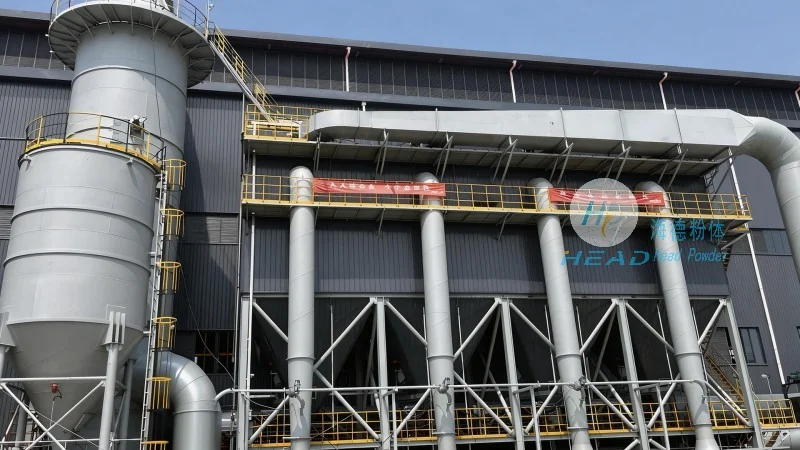
Introduction to Silicate Powder Pneumatic Conveying Machines
HeadPowder, a leading manufacturer based in Shandong, China, specializes in the design and production of high-quality silicate powder pneumatic conveying systems. The company, known for its commitment to innovation and precision engineering, has developed equipment tailored to meet the specific demands of handling silicate powders. These machines are engineered to handle a wide range of silicate materials, ensuring optimal performance and durability in demanding industrial environments. The core of the system lies in the pneumatic conveying technology, which utilizes air or gas to transport powders through a network of pipes and components, eliminating the need for mechanical components that can cause wear and tear or contamination.
Design Principles of Pneumatic Conveying Systems
The design of a silicate powder pneumatic conveying machine is based on fundamental principles of fluid dynamics and material handling. The primary design principle is the creation of a consistent flow of air or gas that can effectively transport the powder particles through the system. This is achieved through the use of pressure or vacuum systems, depending on the specific application requirements. Pressure systems, also known as positive pressure systems, use compressed air to push the powder through the conveying line, while vacuum systems, or negative pressure systems, use suction to draw the powder into the line. For silicate powders, which often have varying particle sizes and densities, the design must account for factors such as particle size distribution, moisture content, and flow characteristics to ensure efficient and reliable transport.
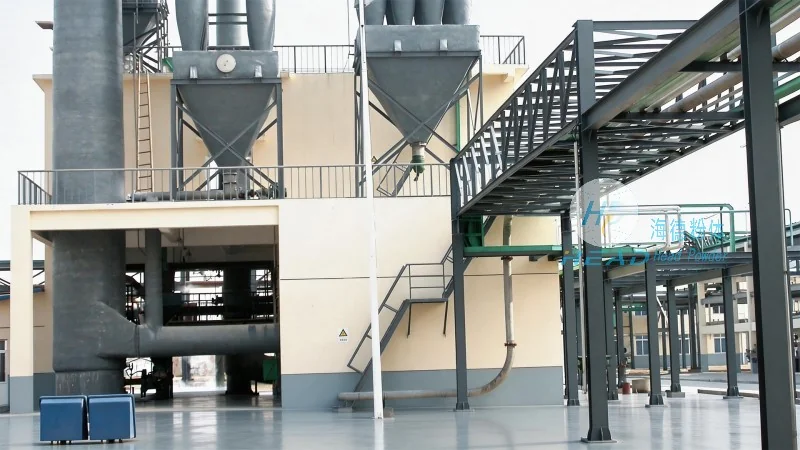
Key components of the system include the hopper, which serves as the storage and feeding unit, the conveying line, which transports the powder, and the control system, which regulates the air flow and pressure. The hopper is designed to minimize material segregation and ensure a uniform feed rate, which is crucial for maintaining consistent performance. The conveying line is typically made of materials resistant to corrosion and wear, such as stainless steel or special alloys, to withstand the abrasive nature of silicate powders. The control system, often equipped with sensors and automation, monitors the flow rate, pressure, and temperature, providing real-time feedback to optimize the conveying process.
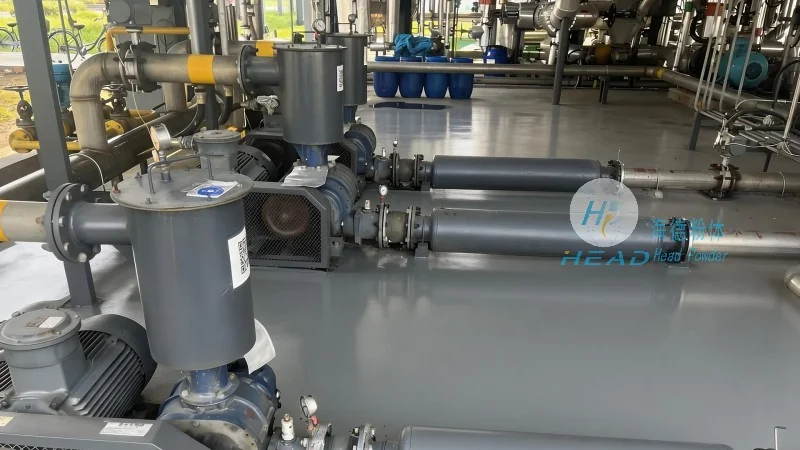
Advantages of Silicate Powder Pneumatic Conveying Machines
Compared to traditional mechanical conveying methods, silicate powder pneumatic conveying machines offer several advantages that make them ideal for industrial applications. One of the most significant benefits is the elimination of dust and contamination, as the material is enclosed within the conveying line, preventing exposure to the environment. This not only improves workplace safety but also maintains the quality of the powder, which is critical for downstream processes. Additionally, pneumatic conveying systems are more flexible and adaptable, allowing for changes in the conveying route or capacity without major modifications to the infrastructure. The systems also reduce material loss and energy consumption, leading to cost savings and improved operational efficiency.
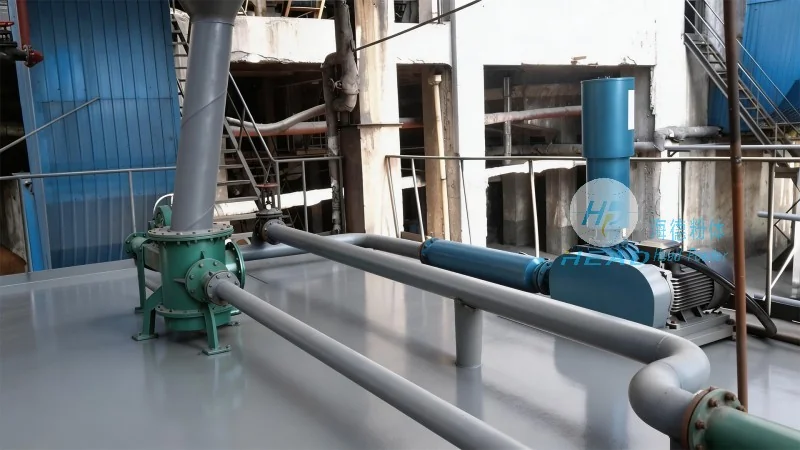
The design of these machines also prioritizes ease of maintenance and operation. The modular construction allows for easy access to components for cleaning or replacement, reducing downtime and maintenance costs. The use of advanced materials and engineering ensures long-term durability, even in harsh industrial environments. For companies dealing with silicate powders, investing in a pneumatic conveying system from HeadPowder can lead to significant improvements in productivity, safety, and overall operational performance.
Conclusion
In conclusion, the silicate powder pneumatic conveying machine is a sophisticated and efficient solution for handling silicate powders in industrial applications. The design principles, which combine fluid dynamics, material science, and engineering, ensure that these machines can effectively transport powders with varying characteristics while maintaining safety, quality, and efficiency. HeadPowder, with its expertise and commitment to quality, provides reliable and customized solutions that meet the specific needs of its clients. By understanding the design principles and advantages of these systems, industries can make informed decisions to enhance their material handling processes and achieve better overall performance.