

What is a Mineral Sand Powder Pneumatic Conveying System? What are its Design Principles?
Mineral sand powder pneumatic conveying systems are specialized industrial solutions designed to transport fine powders, such as mineral sands, over long distances with high efficiency and minimal loss. These systems utilize air as the primary medium to move material from a source to a destination, offering advantages like reduced contamination, lower maintenance costs, and the ability to handle abrasive or sensitive materials. The design principles behind these systems are critical to ensuring optimal performance, reliability, and safety in various industrial applications.
Understanding the Core Components of a Pneumatic Conveying System
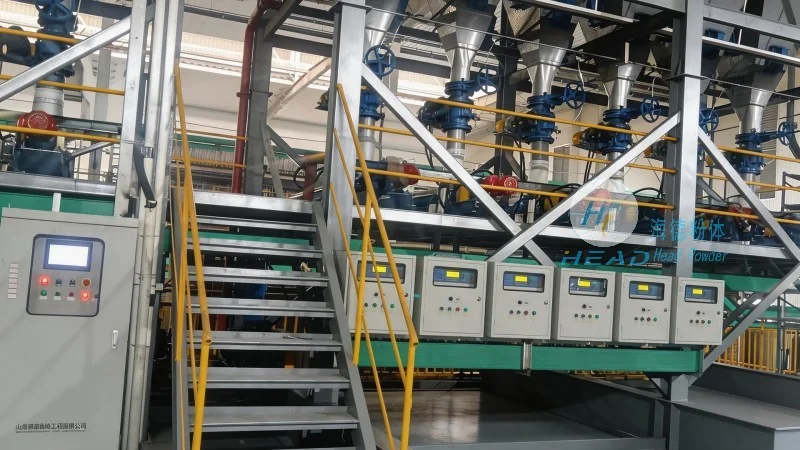
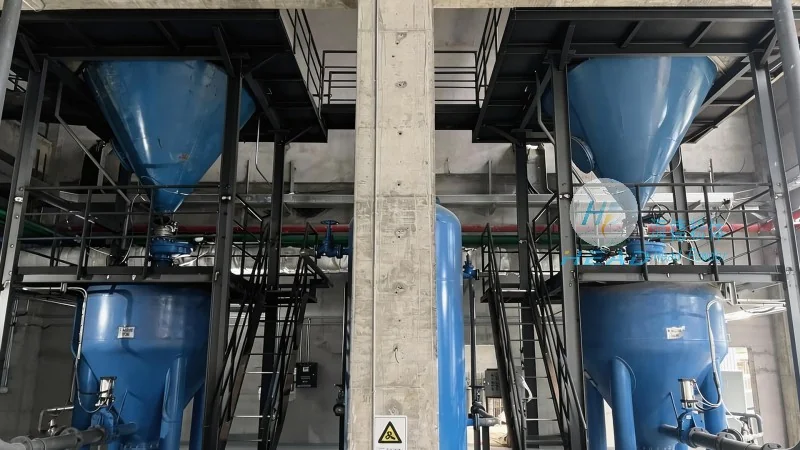
A typical mineral sand powder pneumatic conveying system consists of several key components that work in concert to achieve effective material transport. The primary elements include a material feed hopper, a conveying line (often equipped with pressure vessels or ducts), a control system, and a discharge unit. The feed hopper is responsible for storing and metering the mineral sand powder, ensuring a consistent flow into the system. The conveying line, which may be of the dilute-phase or dense-phase type, is where the air and powder mixture travels. The control system manages air pressure, flow rates, and other operational parameters to maintain system stability. Finally, the discharge unit collects the material at the destination, completing the transport process. Each component must be carefully selected and integrated to meet the specific requirements of the mineral sand being handled, such as particle size, moisture content, and bulk density.
The Fundamental Design Principles for Efficient Pneumatic Conveying
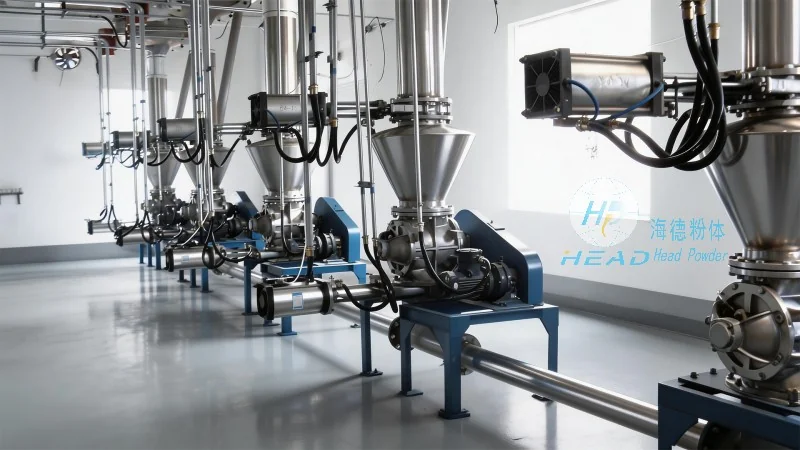
The design of a mineral sand powder pneumatic conveying system is guided by several fundamental principles that ensure optimal performance and reliability. The first principle is the selection of the appropriate conveying method, which can be categorized as either dilute-phase or dense-phase. Dilute-phase systems use low air velocities to transport the powder in a dispersed state, suitable for short to medium distances and low to moderate material loads. Dense-phase systems, on the other hand, use higher air velocities and lower flow rates to create a more concentrated powder-air mixture, ideal for long-distance transport and handling of abrasive or sensitive materials. The choice between these methods depends on factors like the distance between the source and destination, the material's properties, and the desired system efficiency. Another critical principle is the calculation of air velocity and flow rate. Proper air velocity is essential to prevent material settling or blockages in the conveying line, while the flow rate must be sufficient to maintain a stable powder-air mixture. Engineers typically use empirical formulas or computational fluid dynamics (CFD) simulations to determine these parameters, ensuring that the system operates within safe and efficient limits. Additionally, the system's pressure requirements are a key design consideration. The pressure needed to move the mineral sand powder depends on the system's length, the material's density, and the presence of any bends or fittings in the conveying line. Proper pressure management is crucial to avoid excessive energy consumption or equipment damage. Finally, the design must incorporate safety features to protect both personnel and equipment. This includes pressure relief valves, explosion-proof components, and proper ventilation systems to prevent the accumulation of dust or gas. These safety measures are essential in industrial environments where mineral sand powders may be flammable or produce dust that poses health risks.
Key Considerations for System Integration and Maintenance
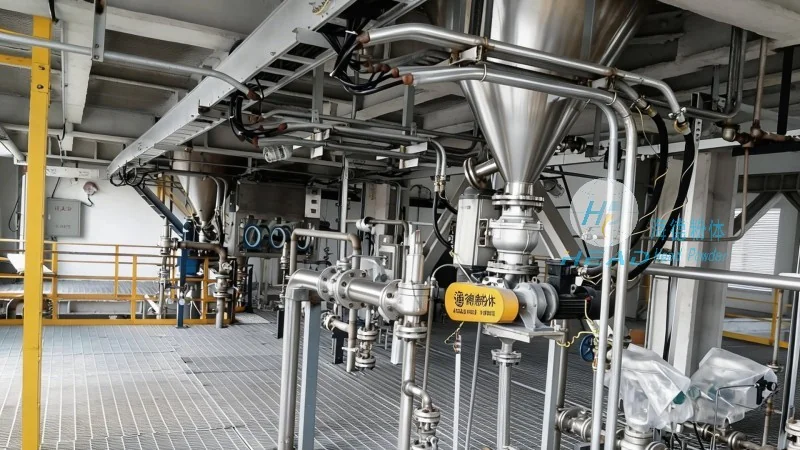
When integrating a mineral sand powder pneumatic conveying system into an industrial facility, several factors must be considered to ensure smooth operation and long-term reliability. The first consideration is the system's compatibility with the existing infrastructure. This includes assessing the available space, power supply, and material handling capabilities of the facility. The system must be designed to fit within the available footprint while meeting the production requirements. Another important factor is the material's properties, as these directly impact the system's design. For example, mineral sands with high moisture content may require additional drying or moisture control measures to prevent clogging or corrosion. Similarly, abrasive materials may necessitate the use of wear-resistant components, such as lined ducts or special valves, to extend the system's lifespan. Maintenance is also a critical aspect of system design. Regular maintenance, including cleaning of the conveying line, inspection of components, and replacement of worn parts, is essential to prevent system downtime and ensure consistent performance. The design should incorporate easy access points for maintenance personnel, reducing the time and effort required for routine checks. Additionally, the system should be equipped with monitoring and diagnostic tools, such as pressure sensors and flow meters, to detect potential issues early and allow for timely intervention. These tools help in identifying problems like blockages, air leaks, or pressure drops, enabling quick troubleshooting and minimizing production disruptions. By addressing these integration and maintenance considerations, the system can operate efficiently and reliably, providing consistent performance over its service life.