With more than 10‑year industry experience, Shandong Headpowder delivers full‑service pneumatic‑conveying systems and blowers, undertaking nationwide turn‑key powder‑handling projects.
PP material conveying lines are specialized systems engineered to transport polypropylene (PP) materials efficiently and safely within industrial settings. These lines are crucial for various manufacturing processes, particularly in industries dealing with plastic materials, where the smooth and reliable movement of PP is essential for production continuity and quality control. Understanding the components and design principles of such conveying lines is vital for optimizing material handling operations.
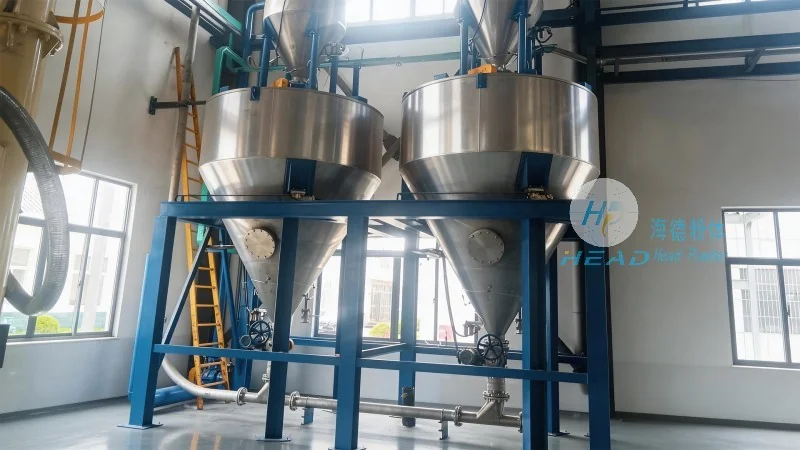
A typical PP material conveying line consists of several key components that work in tandem to ensure effective material transport. The primary components include feeders, conveyors, and control systems. Feeders are responsible for introducing the PP material into the system, often using mechanisms like hoppers or bulk material feeders to regulate the flow rate. Conveyors, which can be of various types such as belt conveyors, screw conveyors, or pneumatic conveyors, move the PP material through the system. Control systems, including sensors and automation controls, monitor the process and adjust parameters to maintain optimal performance. Each component is designed to handle the specific characteristics of PP, such as its density, flowability, and potential for static electricity, ensuring that the material is conveyed without degradation or loss.
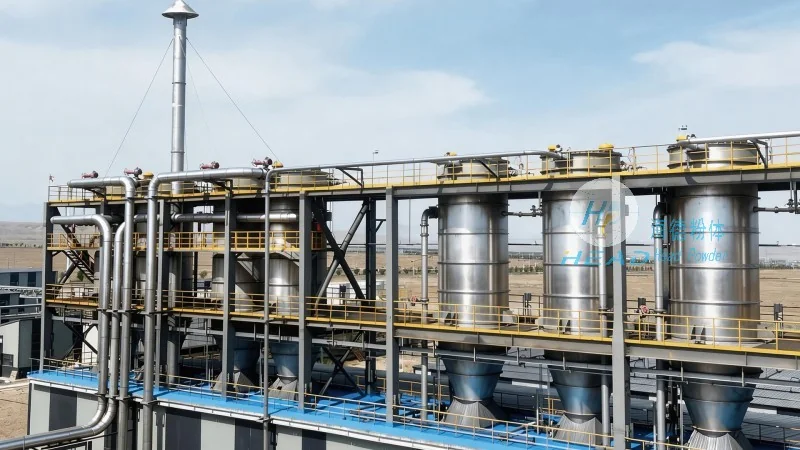
The design of a PP material conveying line is guided by several fundamental principles aimed at maximizing efficiency, safety, and durability. One of the core principles is the consideration of material properties. Since PP is a thermoplastic with specific handling requirements, the conveying system must be designed to prevent material degradation, such as overheating or moisture absorption, which can affect its quality. This involves selecting appropriate materials for the conveyor components, such as stainless steel or specialized plastics, to resist chemical and thermal stress. Another critical principle is the prevention of material buildup and blockages. PP can sometimes stick to surfaces or form agglomerates, leading to system downtime. Therefore, the design incorporates features like anti-static measures, cleaning mechanisms, and appropriate incline angles to minimize these issues. Additionally, the system must be designed for easy maintenance and cleaning, as regular upkeep is essential to maintain performance and prevent contamination. The control system plays a pivotal role here, providing real-time monitoring and automated adjustments to address any issues promptly.
PP material conveying lines find extensive applications across various industries, including plastic manufacturing, chemical processing, and food processing. In plastic manufacturing, these lines are used to transport raw PP pellets or granules from storage to processing equipment, ensuring a consistent supply for extrusion or molding operations. In chemical processing, they help move PP-based powders or flakes through production lines, facilitating reactions and transformations. The benefits of using such conveying lines are significant, including improved production efficiency, reduced labor costs, and enhanced safety by minimizing manual handling of materials. By automating the material transport process, these systems also help in maintaining a clean and organized workspace, which is crucial for quality control and regulatory compliance. Furthermore, the design flexibility of PP material conveying lines allows them to be customized to suit specific production needs, making them a versatile solution for diverse industrial applications.
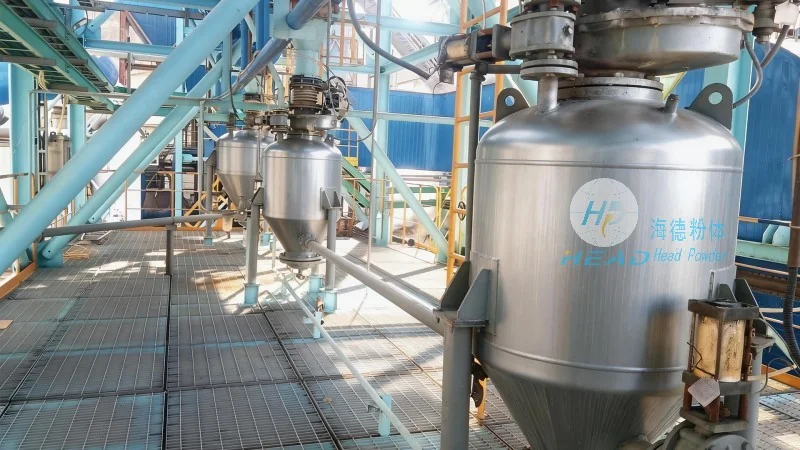
In conclusion, PP material conveying lines are sophisticated systems that play a vital role in modern industrial operations, particularly in the handling of polypropylene materials. The design principles and components of these lines are carefully engineered to address the unique challenges of PP, ensuring efficient, safe, and reliable material transport. By understanding the key elements and design considerations, industries can optimize their material handling processes, leading to improved productivity and product quality. As a leading provider in this field, Shandong HeadPowder Engineering Co., Ltd. specializes in designing and manufacturing high-quality PP material conveying lines tailored to meet the specific needs of various industrial applications.

 Shandong Headpowder Engineering Co., Ltd.
 156-6277-7102(Manager Zhang)
  0531-83386006
  Zhangqiu District, Jinan City, Shandong Province, China
telephone
WeChatconsult
top