With more than 10‑year industry experience, Shandong Headpowder delivers full‑service pneumatic‑conveying systems and blowers, undertaking nationwide turn‑key powder‑handling projects.
PE pellet material conveying lines are essential equipment in various industrial processes, particularly in the plastic manufacturing and processing sectors. These systems are designed to efficiently transport PE pellets from storage areas to processing units, ensuring smooth and continuous operation. The following article provides an in-depth look at the working principle and key features of such conveying lines, presented by Shandong HeadPowder Engineering Co., Ltd., a leading provider in the field.
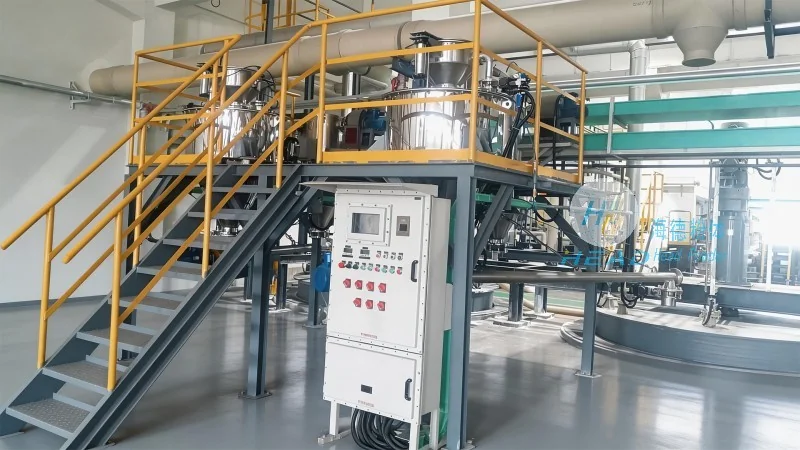
PE pellet material conveying lines are specialized systems engineered to handle the transportation of polyethylene (PE) pellets, which are small, solid plastic particles commonly used in the production of various plastic products. These lines are integral to the manufacturing workflow, as they facilitate the movement of raw materials from storage silos or hoppers to processing equipment such as extruders, mixers, or injection molding machines. The efficiency and reliability of these conveying systems directly impact production throughput and product quality, making them a critical component in modern industrial operations.
As a reputable enterprise in the conveying equipment industry, Shandong HeadPowder Engineering Co., Ltd. specializes in the design, manufacturing, and installation of high-quality material handling solutions. With a strong commitment to innovation and customer satisfaction, the company has established itself as a trusted partner for businesses seeking reliable PE pellet conveying systems. HeadPowder's expertise lies in understanding the unique challenges of handling PE pellets, including their lightweight nature, potential for static charge, and the need for gentle yet efficient transport. The company's products are tailored to meet the specific requirements of different industries, ensuring optimal performance and durability.
The working principle of PE pellet material conveying lines typically involves a combination of mechanical components working in harmony to move the pellets from the source to the destination. The core components of such a system include a hopper or storage bin, a conveyor mechanism (such as a screw conveyor, belt conveyor, or pneumatic conveyor), and a drive system. The process begins with the PE pellets being fed into the hopper from a storage container. The hopper ensures a consistent flow of material, preventing blockages and maintaining a steady supply to the conveyor. The conveyor mechanism then transports the pellets along a designated path, either vertically or horizontally, depending on the layout of the facility. For screw conveyors, a rotating screw (auger) pushes the pellets forward through a cylindrical tube. Belt conveyors use a moving belt to carry the pellets, often with idlers to support the belt and guide the material. Pneumatic conveyors, on the other hand, utilize air pressure to transport the pellets through a pipeline, making them suitable for longer distances or where space is limited.
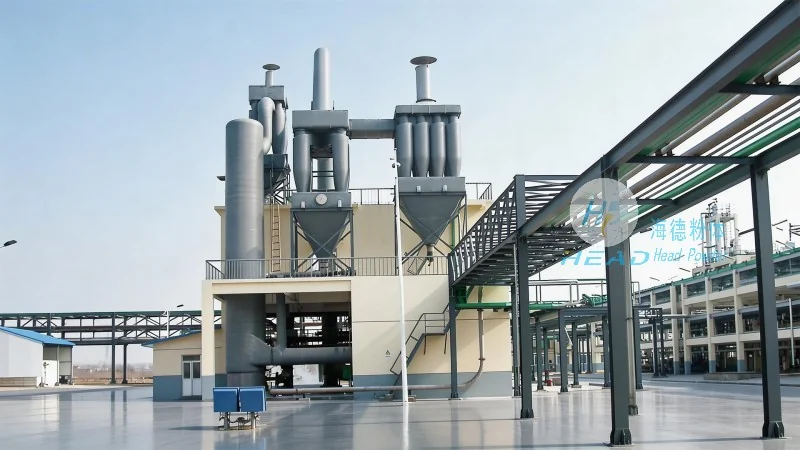
Once the pellets reach the processing unit, a discharge mechanism, such as a rotary valve or a gate, controls the flow into the equipment. The drive system, which may consist of electric motors, gearboxes, or variable frequency drives (VFDs), provides the necessary power to operate the conveyor. The entire system is often equipped with sensors and control panels to monitor the flow rate, detect blockages, and adjust the speed as needed. This automation ensures that the conveying process is efficient, safe, and adaptable to varying production demands.
PE pellet material conveying lines are characterized by several key features that make them suitable for industrial applications. Firstly, they are designed for high efficiency, capable of handling large volumes of PE pellets with minimal downtime. The systems are engineered to maintain a consistent flow rate, which is crucial for maintaining the quality of the final product. Secondly, these conveying lines are built for durability and reliability. They are constructed from high-quality materials, such as stainless steel or corrosion-resistant alloys, to withstand the abrasive nature of PE pellets and the environmental conditions in industrial settings. This ensures long service life and reduces maintenance costs.
Thirdly, the systems are highly adaptable, allowing for customization to meet specific operational requirements. For instance, the conveyor length, height, and angle can be adjusted to fit the layout of the facility. The type of conveyor (screw, belt, or pneumatic) can also be selected based on the characteristics of the PE pellets and the distance to be covered. Additionally, many modern conveying lines are equipped with features like anti-static measures to prevent the buildup of static charge, which can affect the flow of the pellets and cause operational issues. These features enhance the safety and performance of the system.
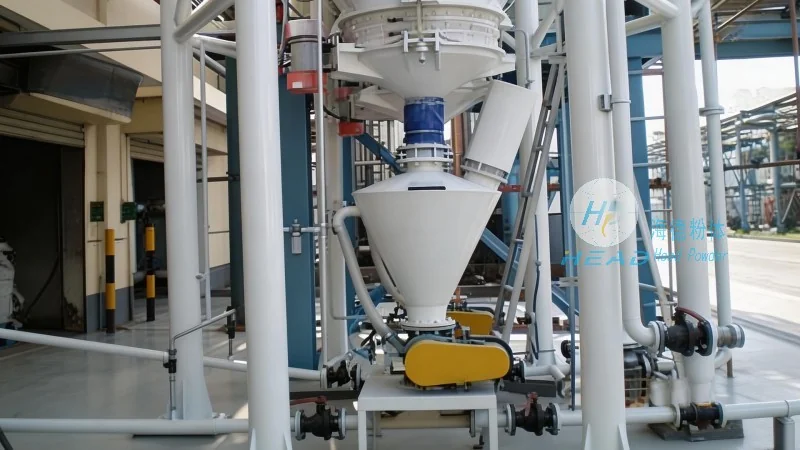
Another important feature is the integration of monitoring and control systems. Modern PE pellet conveying lines often include sensors that detect the level of material in the hopper, the speed of the conveyor, and any blockages. These sensors send signals to a control panel, which can adjust the operation of the system in real-time. This automation not only improves efficiency but also reduces the risk of accidents and equipment damage. Furthermore, the systems are designed to be easy to maintain, with accessible components that allow for quick repairs and replacements.
PE pellet material conveying lines find wide applications across various industries, including plastic manufacturing, chemical processing, and food processing. In the plastic industry, these systems are used to transport PE pellets from storage to extrusion lines, where they are melted and processed into plastic products such as pipes, films, and containers. The efficiency of the conveying line directly impacts the production speed and the quality of the final products. In chemical processing, the lines help in moving PE pellets to reactors or mixers, ensuring a consistent supply of raw material for chemical reactions. The benefits of using these conveying lines include increased productivity, reduced labor costs, and improved product quality. By automating the material handling process, businesses can achieve higher throughput and lower operational costs, making PE pellet conveying lines a valuable investment for industrial operations.
In conclusion, PE pellet material conveying lines are sophisticated systems that play a vital role in the efficient operation of industrial processes. The working principle, which involves the coordinated operation of various mechanical components, ensures the smooth and reliable transport of PE pellets. The key features, such as high efficiency, durability, adaptability, and advanced control systems, make these lines suitable for diverse industrial applications. As a leading provider, Shandong HeadPowder Engineering Co., Ltd. offers high-quality PE pellet conveying solutions that meet the specific needs of businesses, contributing to improved productivity and operational success. By understanding the working principle and features of these systems, industries can make informed decisions to enhance their material handling capabilities and achieve their production goals.

 Shandong Headpowder Engineering Co., Ltd.
 156-6277-7102(Manager Zhang)
  0531-83386006
  Zhangqiu District, Jinan City, Shandong Province, China
telephone
WeChatconsult
top